

The Arab world is preparing for a historic participation in the FIFA World Cup 2026™️, after eight Arab teams qualified for the largest football forum, in an unprecedented record for the region.
This historic Arab presence includes the teams of Qatar, Saudi Arabia, Jordan, Iraq, Egypt, Algeria, Morocco and Tunisia, which secured their qualification to the finals after a distinguished journey in the qualifiers.
The next edition of the tournament, hosted by the United States, Canada and Mexico, will witness the participation of 48 teams for the first time in the history of the World Cup. In light of this expansion, Arab teams recorded an unprecedented attendance that reflects the development that Arab football has witnessed in recent years.
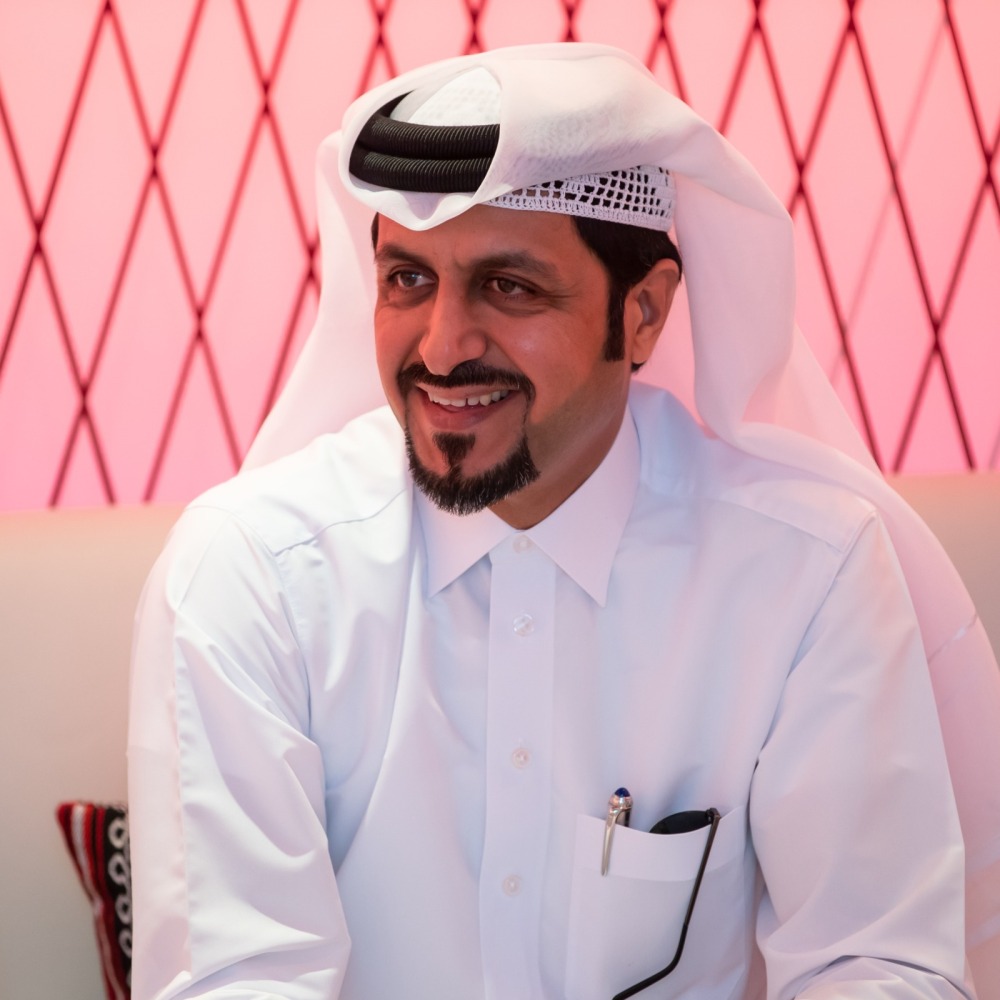
Former Qatari goalkeeper star Ahmed Khalil does not see this number as just a passing statistic, but rather reads it as the result of a long process of work and development that included various aspects and contributed to enhancing the competitiveness of Arab teams on the international scene.
Khalil said in an interview with the local organizing committee for football events: “The presence of eight Arab teams in the World Cup is a true honor for Arab football, but I hope that this presence will not remain ceremonial, but rather that we will witness actual and real competition from all of these teams within their groups.”
Khalil, who had extensive international experiences with the Qatari team, stressed that what was achieved today was the result of continuous efforts at various levels, adding: “The technical level has risen, the administrative structure has developed, and financial support has expanded. The arrival of eight Arab teams to this stage is evidence of the success of an integrated system, which includes officials, federations and technical bodies together.”
This record Arab attendance comes after years during which Arab football witnessed remarkable development, coinciding with Qatar’s hosting of the FIFA World Cup Qatar 2022™️, which constituted a turning point in the history of the game in the region, and contributed to highlighting the capabilities of the Arab world in organizing the largest global sporting events. The tournament also witnessed a historic achievement in which the Moroccan team reached the semi-finals, the first achievement of its kind by an Arab and African team in the history of the World Cup.
In the same context, Khalil linked this transformation to the extended impact of Qatar’s hosting of the 2022 World Cup, considering it a turning point in the path of Arab football: “Qatar has proven to the world that the Arab region is capable of organizing the most prestigious major tournaments with distinction, and possesses brilliant football talents. What we have witnessed after 2022 in terms of the rise in the level of Arab teams is not a coincidence, but rather a direct reflection of that exceptional experience.”
Regarding his aspirations for the Qatari team in particular, Khalil expressed clear confidence in Al-Annabi’s ability to perform at the usual level in major competitions, pointing out that team play, fighting spirit and belonging to the team remain basic and indispensable pillars in such forums.
Khalil concluded his speech by emphasizing the importance of building on this growing Arab momentum, expressing his hope that the historic participation in the FIFA World Cup 2026™️ will constitute a new step towards consolidating the presence of Arab teams as real competitors on the global stage, and opening broader horizons for future Arab generations.
As the Arab teams prepare to compete in the FIFA World Cup 2026™️, Qatar, through the Supreme Committee for Delivery and Legacy, continues to contribute to the tournament through existing cooperation with the International Federation of Association Football (FIFA) to share the experiences and knowledge it gained during hosting the FIFA World Cup Qatar 2022™️, in an extension of the legacy left by the tournament at the regional and global levels.
Later this year, Qatar is once again preparing to embrace the world, hosting the second of five consecutive editions of the FIFA U-17 World Cup™, from November 19 to December 13.
To obtain the latest information about upcoming football events, please follow the official account @RoadtoQatar on various social media platforms.