

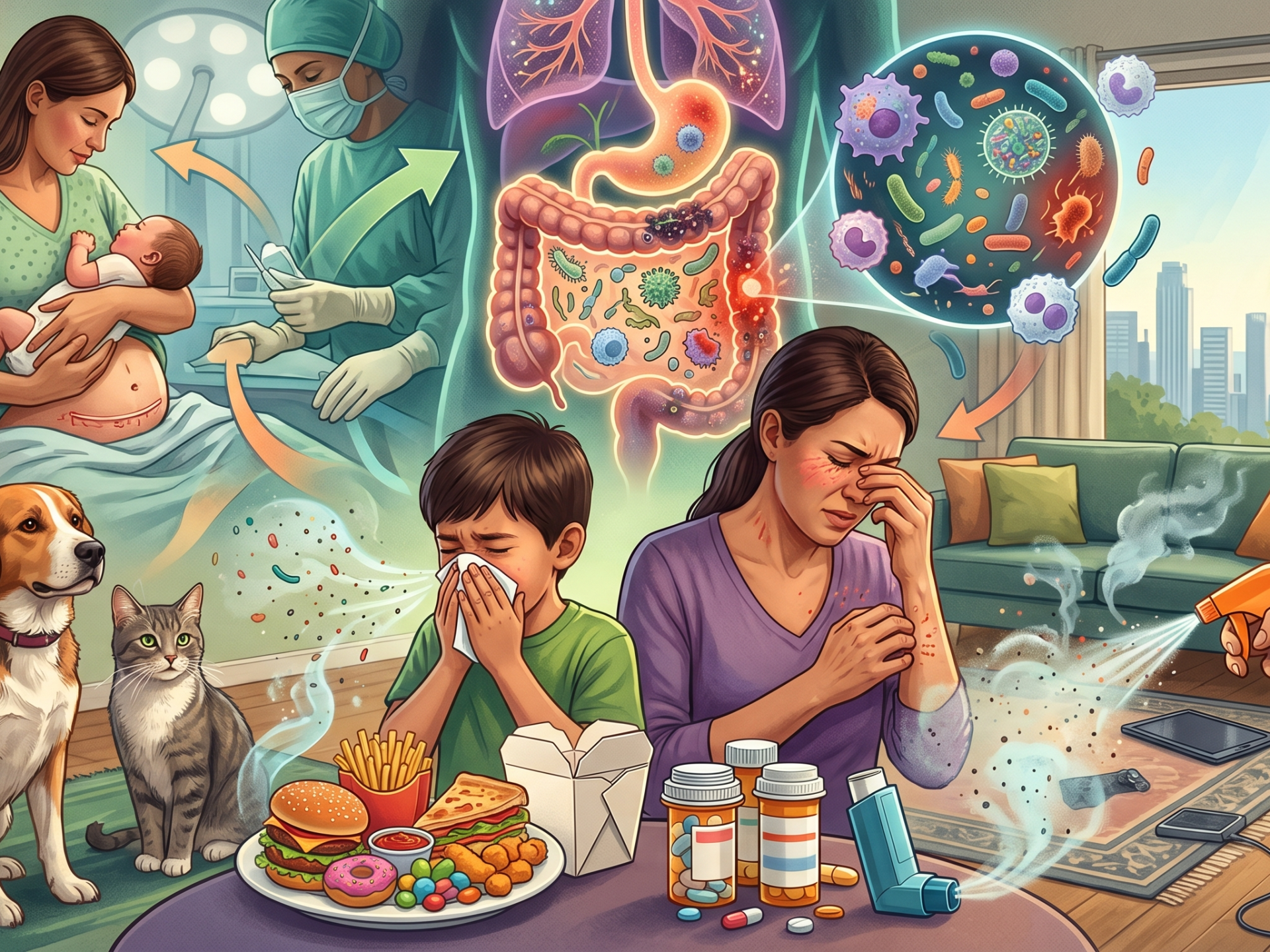
Recent years have witnessed a noticeable increase in the number of people suffering from allergic diseases, or what is commonly known as allergies. According to estimates by the World Allergy Organization (WAO), allergies affect approximately 20% to 30% of the Earth’s population, achieving a rise that requires attention and an attempt to explore its causes and factors associated with it.
Allergies are classified as immune diseases, and include: allergic rhinitis, respiratory crisis (asthma), chronic urticaria, eczema, food allergy, insect allergy, drug allergy, eosinophilic esophagitis, and others.
The prevalence of allergies varies depending on multiple factors, most notably: environmental and economic conditions, geographical distribution, and some personal practices. In addition, some types of allergies may bring with them other types in the same person, so he ultimately suffers from two or more types at the same time.
But what factors have recently occurred that have contributed to the spread of allergies among people? What determines its spread in a specific region and among groups rather than others?
Despite the complexity of the causes and the lack of clarity of the exact mechanism that makes some people more susceptible to infection than others, studies and research have identified a number of factors as the most prominent candidates behind this rising spread.
Pollution in homes
Volatile and semi-volatile organic compounds are one of the most prominent allergens around us, as they are emitted from carpets, textiles, detergents, clothing, paint, and solvents used in furniture and electronics, as well as personal care products such as nail polish and hair dyes. The concentration of these substances inside modern buildings is between 50 and 100 times higher than in the open air.
Many upper respiratory problems are misdiagnosed as rhinitis caused by various irritants. A review published by researchers in 2022 in the journal Frontiers in Immunology reviewed the mechanism by which these compounds cause allergies, stressing that exposure to them continuously and intensely for prolonged periods contributes to stimulating irritation and causing chronic inflammation accompanied by disruption of the immune system, due to the activation of macrophages and an increase in the level of inflammatory mediators, which exacerbates immune diseases and, along with them, allergies.
Benzene and toluene are the most common of these compounds in our daily lives. It leaks into the body through the skin, inhalation, or even orally. They are joined by other compounds such as esters, amines, ketones, aldehydes, and compounds containing sulfur and nitrogen, resulting from cigarette smoke and car exhausts.
The matter is not limited to that, as it is believed that mold – a type of fungus – found in homes and buildings, along with smoke seeping from traffic in nearby streets, represents an additional source of these volatile compounds, causing irritation of the nose, eyes, skin and respiratory tract.
In addition, fungi, bacteria, and yeasts colonize ventilation devices, such as air conditioners, heating, and fans. Since we spend about 90% of our time indoors – offices, schools, homes, and universities – our degree of exposure to these irritants has become higher than before, which exacerbates all types of allergies over time.
It is worth noting that clean places are not immune to these risks. Indeed, a study published by American researchers in 2016 in the journal Infection Control & Hospital Epidemiology revealed that the percentage of germs, including drug-resistant bacteria, in hospital rooms that undergo frequent routine cleaning is higher than that observed in rooms that are only cleaned deeply and comprehensively after each patient leaves.
Microbiome
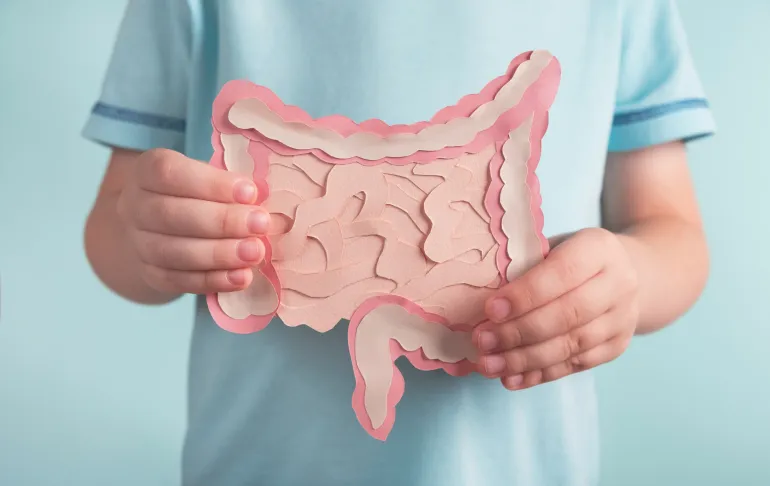
It has become well established that the microbiome coexisting in our bodies regulates the immune response, so any disturbance caused by environmental conditions or diet directly affects the number and diversity of this microbiome, which is reflected in the level of immunity and sensitivity.
Many specialists attribute the imbalance of the microbiome and the spread of allergic diseases to the decrease in the rate of our exposure to the microorganisms surrounding us and on our bodies, as a result of societies’ tendency toward modern lifestyles that have reduced the transmission of these beneficial organisms among us.
The most prominent of these factors are: excessive sterilization of drinking water, declining rates of breastfeeding, high rates of caesarean section, excessive use of personal sterilization materials containing antibacterial agents, and giving children antibiotics early in their lives. In addition, nearly six decades of widespread use of antibiotics have contributed to the emergence of resistant bacterial strains.
In this context, in 2022, American researchers pointed out the hypothesis that the spread of allergic diseases is linked to the loss of types and strains of the microbiome within our bodies, in addition to a decrease in our exposure to them environmentally through water, food, and medicine.
Regarding the intestinal microbiome specifically, in 2017, researchers from the University of Naples in Italy published a review that highlighted its role in the emergence of food allergies, noting that the change in the composition and diversity of beneficial bacteria in the stomach and intestines contributes to damage the mucus barrier and weakens its ability to endure. Food allergies appear to be witnessing a noticeable increase of 8% among children and 10% among adults in industrialized countries.
The researchers confirmed that there are pivotal factors that predispose to this allergy at a young age, such as children’s dependence on artificial milk and eating foods rich in fat and poor in fiber, in addition to the factors mentioned above.
An imbalance in the intestinal microbiome has also been linked to the emergence and exacerbation of other allergic diseases, such as eczema or atopic dermatitis. In 2012, researchers from the Swedish University of Linköping conducted an experiment on 40 infants in their first year, with the aim of exploring the relationship between microbiome imbalance and atopic eczema by analyzing stool samples.
Results published in the Journal of Allergy and Clinical Immunology showed that a decline in the quality and population of the intestinal microbiome in the first month of life is associated with a higher risk of eczema later on.
In the same context, in 2011, Danish researchers published the results of a study in which they tracked the intestinal microbiome of 411 children and its relationship to the risk of developing some allergic diseases during the first six years of life. It was found that a decrease in bacterial diversity in the intestine during infancy is associated with an increased risk of allergic reactions and allergic rhinitis in later stages.
This is not limited to the intestinal microbiome; Research indicates that settled bacteria in the lungs play a major role in regulating immunity and allergic response, and that their imbalance may contribute to raising the risk of allergic respiratory diseases such as asthma.
This is supported by what American and European researchers published in 2010 in the journal PLOS ONE, where they observed an imbalance in the natural bacterial balance in the bronchi of people with allergic respiratory diseases, manifested in the dominance of Proteobacteria at the expense of Bacteroidetes, which supports the hypothesis that pulmonary microbiome disturbance is linked to an increased risk of chronic respiratory diseases such as asthma.

Exotic eating habits and common types of food
Modern dietary habits and currently popular food items are one of the main factors contributing to the rise in rates of allergic diseases. In addition to their effect on the microbiome, which plays a pivotal role in regulating the immune response within the stomach and intestines, the effect of nutrients and their metabolic products released by intestinal bacteria extends to the lungs and skin, regulating the immune and inflammatory response in them.
A laboratory experiment on mouse models published in 2022 in the journal Mucosal Immunity revealed that eating foods rich in fermentable dietary fiber contributes to strengthening the skin barrier against allergic diseases, by stimulating the production of butyrate, one of the most prominent short-chain fatty acids, by the intestinal microbiome.
The phenomenon of the “Western lifestyle” represents another prominent factor in this context. It witnessed a wide spread following the Covid-19 pandemic in 2020, with an escalation in reliance on ultra-processed foods, or what is commonly known as “fast food.”
In a study published by Chinese researchers in 2024 in the journal Allergy, it was found that excessive following Western dietary patterns and eating ultra-processed foods causes disruption of the epithelial barriers lining the intestines and skin, which raises the risk of chronic inflammatory diseases such as food allergies and others.
It is worth noting that reliance on ultra-processed foods is witnessing a steady acceleration at the global level. A UN report showed that developed countries’ imports of these foods constitute 48% of their total food imports, while this percentage approached 35% in developing countries.
Ultra-processed foods are defined as those that are ready for immediate consumption and undergo a series of intensive manufacturing processes, including the addition of flavours, taste enhancers and artificial dyes.
Caesarean section
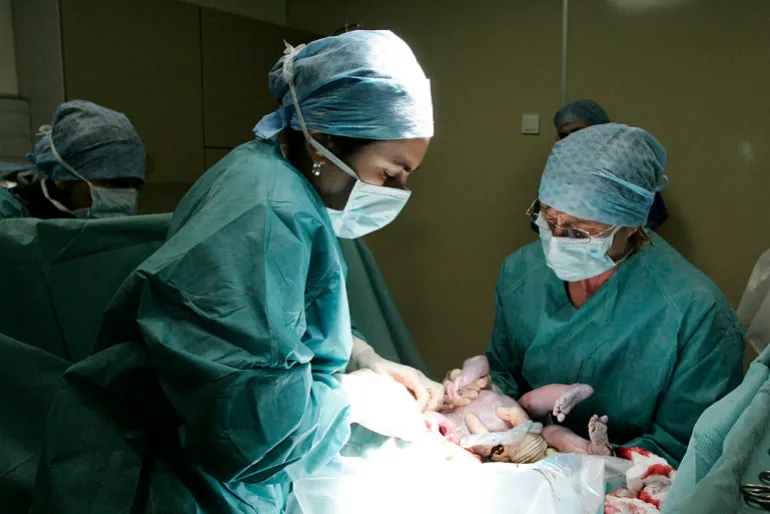
In recent years, many women have resorted to caesarean section to avoid the changes that natural birth may cause to the birth canal.
Despite the World Health Organization’s recommendation that the percentage of caesarean sections not exceed 15%, this percentage jumped from 6% in 1990 to 21% in 2018, and is expected to continue rising to reach 30% by 2030, according to a World Health Organization report issued in May 2025.
A systematic review published by Chinese researchers in 2023 linked the rise in caesarean section rates to the spread of allergic diseases, especially allergic rhinitis. It revealed an increased risk of infection in children born by Caesarean section by 19%, rising to 82% in those who belong to families with a history of allergies.
These results were reinforced by a comprehensive systematic review published in 2024 in The Journal of Allergy and Clinical Immunology, which revealed that cesarean section is associated with an increased risk of developing a spectrum of allergic diseases, most notably: eczema, asthma, allergic rhinoconjunctivitis, and food allergy.
This is due to the fact that a cesarean section deprives the newborn of exposure to bacteria residing in the natural birth canal, which hinders the formation of the intestinal microbiome community in its early stages, which plays an essential role in maturing the immune system and preparing it to confront diseases, including allergies.

Excessive use of detergents
A review published in 2024 in the journal Current Allergy and Asthma Reports indicated that a number of phenomena widespread in contemporary societies have contributed to increasing rates of allergic diseases.
The most prominent of which is the use of food utensils after washing them in an electric dishwasher, as traces of cleaning materials remain on the surfaces of these utensils, which gradually accumulate in the digestive system when used while eating.
Excessive sterilization with floor and surface cleaners containing sodium sulfate and others also contributes to increasing the rate at which its volatile particles enter the body through the respiratory tract, the skin barrier, and the intestinal barrier.
These factors combine to activate immune cells, escalate rates of oxidative stress, and weaken the immune system, which creates the environment to stimulate allergic reactions.
The matter is not limited to detergents; The increasing reliance on sterile and bottled water sources contributes to increased exposure to microplastic particles on the one hand, and to deprivation of the necessary minerals that this water lacks and the minerals needed to support the immune system on the other hand, which doubles the risk of disease.

Pet acquisition
The spread of domestic pets – led by dogs and cats – has become a wide global phenomenon, extending even to Arab countries, whose prevailing culture and religious teachings have always legalized their acquisition and limited it to specific reasons clearly indicated by Islamic law. However, successive social, political and economic changes have led many people to consider these animals as companions and sociators.
Allergies to cats and dogs affect between 10% and 20% of people around the world, and are one of the contributing factors to the emergence of multiple allergic diseases, such as asthma, allergic rhinitis, and eczema (atopic dermatitis).
In 2025, Chinese researchers published a study in the journal Atmosphere that showed that continuous exposure to pets in childhood raises the risk of developing allergies by three times, and this effect seemed more pronounced in environments with low levels of air pollution.
It should be noted that the relationship between keeping pets and the risk of allergic diseases is still a subject of controversy between supporters and opponents, and no conclusive conclusions have yet been reached in this regard.

Antibiotics
British specialists conducted a comparative study that they published in 2002, in which they indicated that exposure to antibiotics during the first year of life is associated with an increased risk of developing allergic diseases later, including asthma, eczema, and allergic rhinitis. These antibiotics disturb the balance of the body’s natural microbiome environment, disrupting the immune system during a very sensitive stage of development.
This was confirmed by researchers from China and Singapore in a cross-sectional epidemiological study they published in 2019, which showed that excessive use of antibiotics may be associated with high rates of allergic diseases, which led them to demand the publication of guidelines that guarantee the safe and regulated use of these antibiotics only when absolutely necessary.
These results were supported by a comprehensive Australian study conducted on about 800,000 children, which revealed that early exposure to antibiotics is associated with an increased risk of developing allergic diseases in later stages, as the risk of developing asthma, food allergy, atopic dermatitis (eczema), and allergic rhinitis increases depending on the increase in the number of classes of antibiotics that children receive, due to the disruption they cause to the microbiome.
It should be noted that rates of antibiotic use witnessed a significant global increase between 2013 and 2016, reaching 16.3%, which strengthens the hypothesis of a link between this factor and the spread of allergies.