

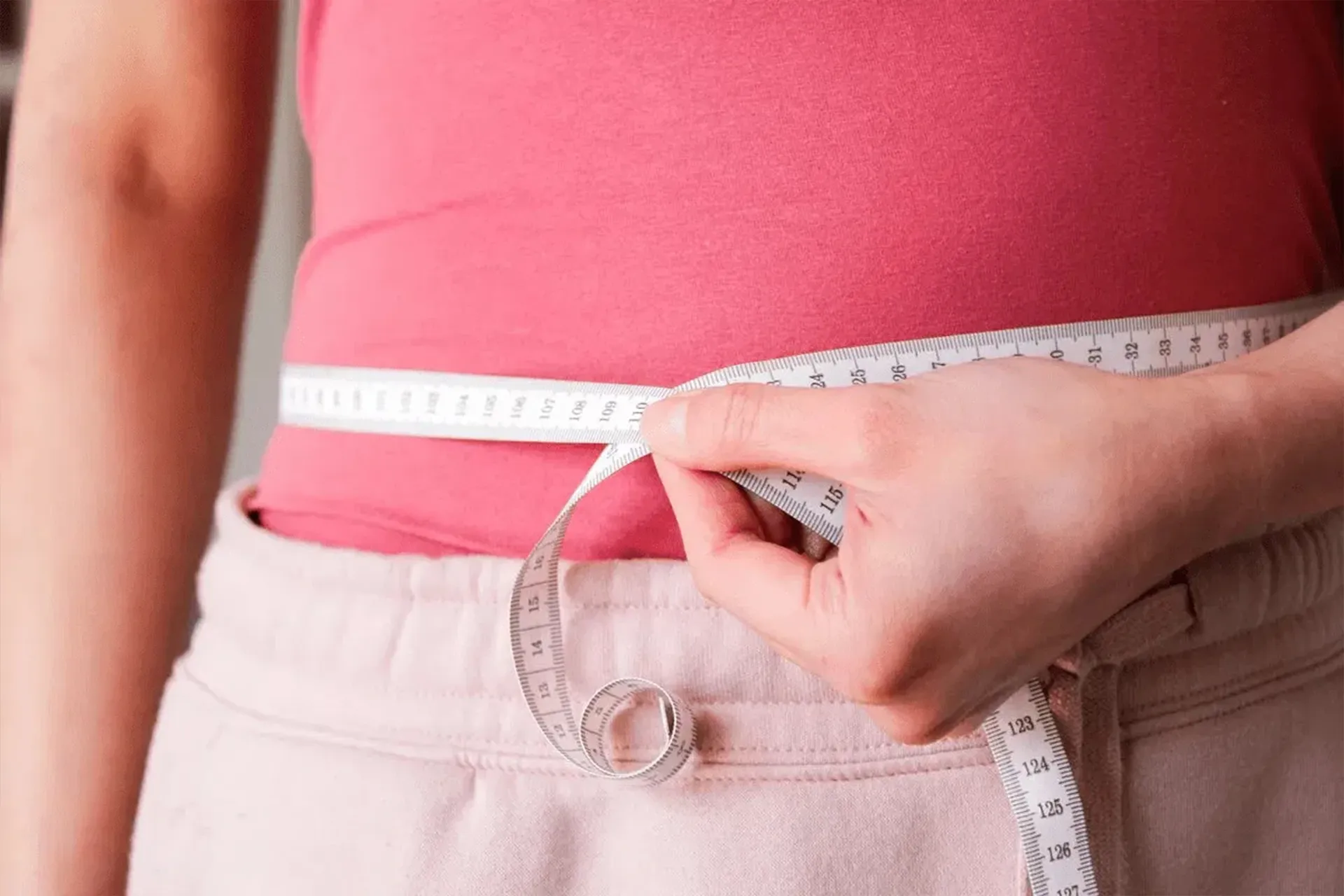
A state of excessive fear of gaining weight, which is a type of phobia included in anxiety disorders, prompts those affected to adopt extreme behaviors aimed at avoiding weight gain at all costs.
This condition is known as “obesophobia”, a term made up of two linguistic parts: the English word “obese”, derived from the Latin “obesitas”, meaning “fat” or “obese”, and “phobia”, derived from the ancient Greek “phobos”, meaning fear or fear.
Although the sufferer often realizes that his fears are exaggerated or irrational, he is unable to control them, and resorts to harsh practices to maintain or reduce his weight, such as carrying his own food wherever he goes to fully control what he eats, exercising excessively, or undergoing surgical operations in order to appear thinner, and even avoiding occasions and activities that involve eating.
The impact of this phobia is not limited to daily behaviors, but may lead to severe weight loss or malnutrition, as a result of the excessive preoccupation it fosters with the possibility of gaining weight. It is also linked to a high risk of developing other psychological disorders, including body image disorder, depression, eating disorders, and obsessive-compulsive disorder.
What are its causes?
Like many psychological disorders, it is difficult to determine the exact causes behind fatphobia, but specialists believe that it arises as a result of the interplay of a group of factors, the most prominent of which are:
- Environmental factors: These include environments and cultures that give excessive importance to external appearance and body weight, which may lead to the establishment of negative beliefs in some individuals, such as considering being overweight shameful or repulsive, which may contribute to the emergence of this phobia.
Among these factors is what is known as weight stigma, which represents people being judged or treated differently based on their weight, in addition to the pursuit of perfection, which in turn may be affected by environmental or genetic factors.
- Genetic factors: People with a family history of phobias, eating disorders, or anxiety disorders may be more likely to develop fatphobia. People with social anxiety disorder may also suffer from this phobia, due to the associated fears of rejection or negative evaluation from others.
- Psychological experiences and trauma: Fatphobia may arise as a result of influential experiences that an individual goes through, especially during childhood, such as being bullied because of weight, or repeatedly hearing descriptions such as “obese” or “fat” from parents or peers, which may create a pathological and persistent fear of gaining weight.

Symptoms of fatphobia
This phobia reveals itself in the sufferer with a number of symptoms associated with anxiety or panic attacks when thinking about gaining weight, including:
- Goosebumps.
- Vertigo.
- Excessive sweating.
- Heart palpitations.
- Nausea.
- shortness of breath.
- Trembling or trembling.
- Stomach upset or indigestion.

Fatphobia is distinguished from the normal wariness of gaining weight or keenness to follow diets by several indicators: It is not diagnosed as a phobia except when it causes severe and persistent anxiety, and leads to psychological pressures that affect daily life, in addition to pushing the sufferer to take exaggerated behaviors or actions with the aim of feeling or appearing thinner.
How widespread it is
Fatphobia is not linked to a specific age group, but it is more common among adolescents, as they are more affected by negative comments or judgments related to appearance and weight than their peers, and its incidence is higher among females compared to males.
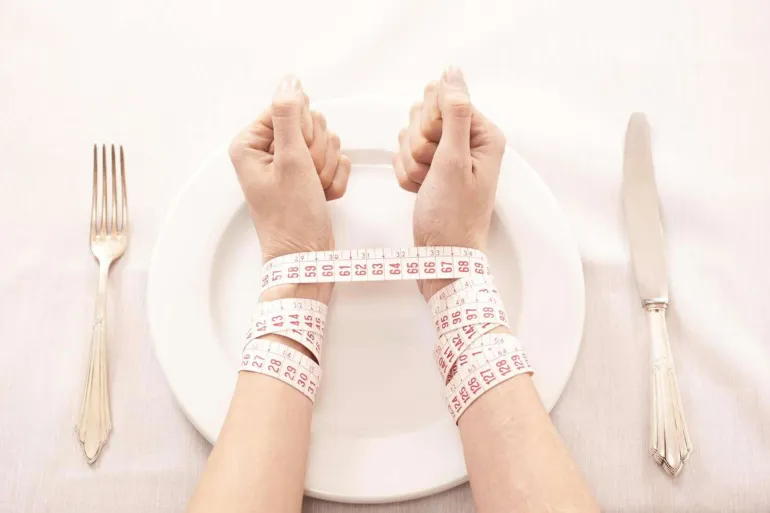
Treatment methods
There are many therapeutic options available to deal with fatphobia, and they generally aim to relieve weight-related anxiety and help the sufferer rebuild his relationship with food and body image. The most prominent of these options are:
- Cognitive behavioral therapy: It is a psychological treatment that aims to gradually get rid of negative thoughts by understanding and controlling thoughts and feelings, which helps the patient modify his thoughts about weight and food.
- Exposure therapy: It aims to help the person confront his fears gradually and in a safe environment, by exposing him to situations or thoughts related to the source of fear. The therapist may start with less worrying situations, such as looking at pictures of people who are not extremely thin, and then gradually move on to confronting more difficult thoughts, such as the possibility of gaining a little weight or eating high-calorie foods.
- Hypnotherapy: It is based on putting the person into a state of deep concentration that makes him more receptive to change, which may help confront the fear associated with gaining weight.
- pharmaceutical: Some anti-anxiety or antidepressants may be used to help relieve associated symptoms, especially when they affect daily life, but they do not treat the phobia itself, but rather contribute to controlling the symptoms of anxiety or depression associated with it.