

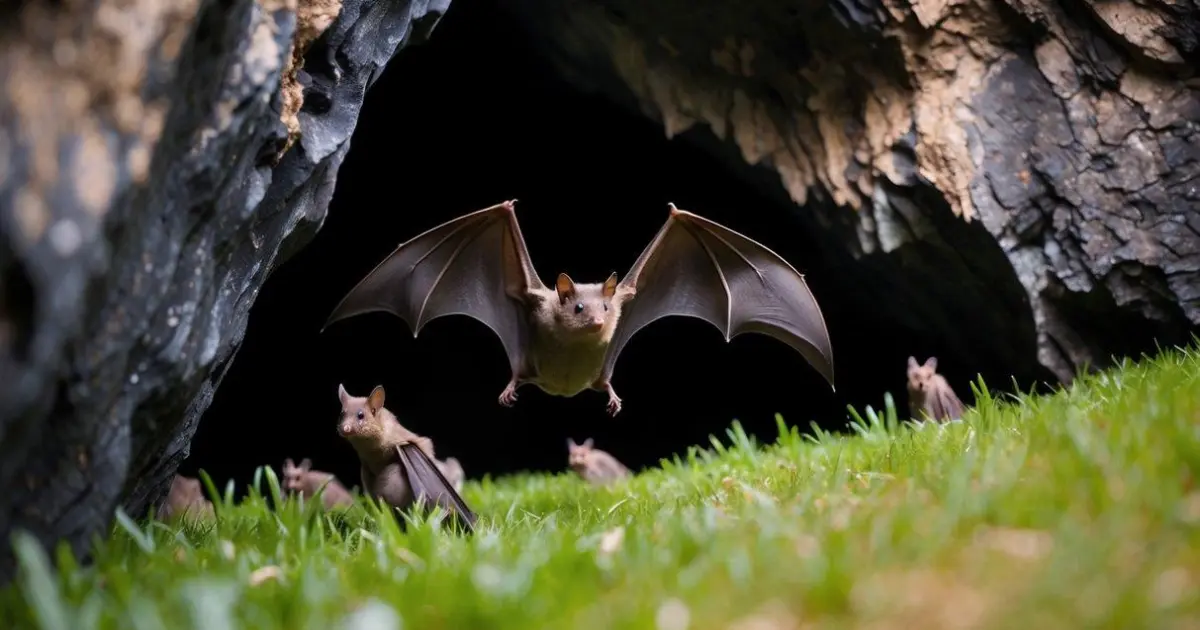
Zoonotic diseases are no longer just local health problems, but rather one of the greatest challenges to global health security. According to the World Health Organization, about 75% of emerging or emerging infectious diseases in humans originate from animals, while the US Centers for Disease Control and Prevention (CDC) indicates that 6 out of every 10 known infectious diseases that affect humans belong to this category.
These diseases cause about a billion infections and millions of deaths annually, and the last three decades have witnessed the emergence of 30 new pathogens that have passed from animals to humans, according to World Health Organization data for the Eastern Mediterranean Region.
In this interview with Al Jazeera Net, Professor Dr. Abdullah Sami, Director of the One Health Unit at the Research Center of the Faculty of Medicine at Ain Shams University and a member of the European project “OneHealthSecure”, explains how these diseases arise, why fears of them are increasing, and is the world really approaching a new epidemic.
From the Bronx the story began
Dr. Abdullah Sami began his talk with the story of the West Nile virus outbreak in the United States in 1999, when crows began dying in large numbers inside the Bronx Zoo in New York, coinciding with the emergence of mysterious cases of encephalitis among the elderly.
He says that investigations later revealed that the virus arrived from the Middle East, most likely via migratory birds or mosquitoes, before spreading within a few years to most American states, Canada, and parts of Latin America.
He believes that this incident embodies the nature of zoonotic diseases, which jump from animals to humans and then quickly turn into a global threat.
Long list of diseases
The expert points out that the most common zoonotic diseases include:
- rabies.
- Avian influenza.
- Swine flu.
- Ebola.
- Marburg.
- Middle East respiratory syndrome (MERS).
- Crimean-Congo fever.
- Rift Valley fever.
- Brucella.
- Salmonella.
- Escherichia coli.
- Hanta viruses.
Why does it appear in some areas and not others?
Dr. Abdullah explains that every disease has something like an “environmental triangle” that determines the place of its spread, and it consists of:
- Animal warehouse.
- Biological vector such as mosquitoes or ticks.
- The presence of a person in a circle of contact.
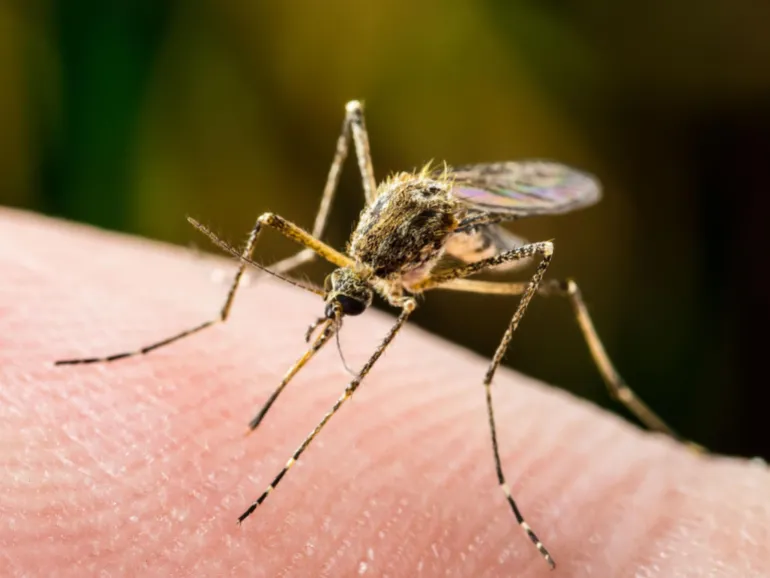
Rift Valley fever spreads where livestock and mosquitoes are abundant, while Ebola and Marburg are linked to fruit bats in the forests of Africa, while MERS is concentrated in the Arabian Peninsula by camels.
But he emphasizes that this distribution is no longer constant, as climate change, travel and global trade are able to bring diseases to areas that did not know them before.
A special Arab imprint
The expert believes that the Arab region has a peculiarity regarding diseases common between humans and animals, due to the spread of raising cattle, camels, and sheep.
The most common diseases in the region are:
- Middle East respiratory syndrome (MERS).
- Brucella (Malta fever).
- Crimean-Congo hemorrhagic fever.
- Rift Valley fever.
He also refers to Syria’s experience with cutaneous leishmaniasis, the incidence of which increased dramatically during the war years as a result of the collapse of pest control and sanitation services, and the displacement of millions of people to areas suitable for sand flies to breed.
Why is global concern increasing?
Dr. Abdullah confirms that global concerns are escalating due to a group of simultaneous factors, most notably:
- Population increase.
- Urban expansion at the expense of forests.
- Intensification of animal husbandry.
- Climate change.
- Ease of international travel.
He gives the example of Hantaviruses that live naturally in rodents and are transmitted to humans through inhalation of dust contaminated with their secretions, causing kidney diseases in Europe and Asia, and fatal pulmonary syndromes in the Americas.
Climate change increases the risk
Climate change plays a direct role in expanding the range of disease-carrying insects such as mosquitoes, ticks and sandflies.
Urban and agricultural expansion also leads to greater human contact with wildlife, a phenomenon known scientifically as “spillover,” where microbes are transmitted from animals to humans.
The expert believes that the combination of these factors and intensive animal husbandry creates an ideal environment for the emergence of new diseases or the return of diseases that were under control.
Will vaccines decide the battle?
Dr. Abdullah stresses that vaccinating animals represents the first line of defense against many diseases, such as vaccinating dogs against rabies, and livestock against brucella and Rift Valley fever.
As for humans, vaccines are available for at-risk groups, most notably the rabies vaccine, while research is still ongoing to develop effective vaccines against Mers, Hantaviruses, and Leishmania.
Domestic or wild animals?
The expert explains that the level of risk depends not only on the type of animal, but also on the possibility of contact and the severity of the disease.
Pets are often associated with rabies and some parasites, while livestock are a source of diseases such as MERS, brucellosis and Rift Valley fever.
As for wild animals, they are a source of the most dangerous diseases, such as Ebola and Hanta, because they carry viruses against which humans have no previous immunity, even though the chances of coming into contact with them are less.
The challenge of antibiotic resistance
Dr. Abdullah warns that antibiotic resistance has become one of the most serious health threats globally.
According to the World Health Organization, one in six confirmed bacterial infections has become resistant to conventional treatment, with resistance levels rising by about 40% in recent years.
He points out that between 40% and 60% of antibiotics globally are used in animal husbandry and agriculture, which contributes to the emergence of resistant bacterial strains that may later be transmitted to humans.
For this reason, many experts consider antibiotic resistance one of the most prominent “next pandemic” scenarios.
Control by early surveillance
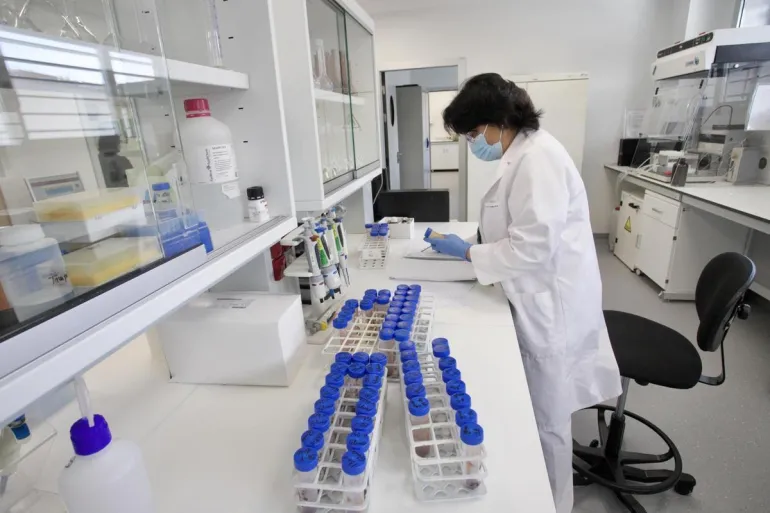
Dr. Abdullah believes that the readiness of health systems is measured by the speed of discovering the first cases, the efficiency of laboratories, the presence of a joint reporting system between human medicine and veterinary medicine, in addition to the availability of means of protection and treatment.
He emphasizes that integrated epidemiological surveillance systems represent a safety valve that prevents an isolated case from turning into a regional epidemic or a global pandemic.
The concept of “One Health”
The expert stresses that the concept of “One Health” is no longer an option, but rather a global necessity.
This approach is based on the integration of human, animal and environmental health, through the cooperation of human doctors, veterinarians and environmental experts in a single surveillance and response system.
He adds that the benefits of this integration are not limited to protecting public health, but rather extend to protecting the economy, agriculture, trade and tourism from the losses caused by epidemics.
The most dangerous scenario
At the conclusion of the dialogue, Dr. Abdullah Sami believes that the most threatening scenario is not necessarily the emergence of a new virus, but rather the combination of three factors together:
- A highly contagious respiratory disease that is easily transmitted between humans.
- Rising antibiotic resistance.
- Weak early surveillance systems in areas of human-wildlife contact or areas of displacement and conflict.
He confirms that the world has become more prepared after the Covid-19 pandemic, thanks to the great development in vaccine development technologies, the exchange of genomic data, and the promotion of the “One Health” concept, but vigilance remains the most important way to avoid the next pandemic.