


Countries incur high prices for the tobacco industry to flourish, and at the same time they spend millions to combat its health damage. They hold a pick in one hand to plant more than 600 million plants of tobacco belonging to the genus Nicotiana on about two billion square meters of agricultural land, while they fight it with the other hand and launch thousands of propaganda campaigns to reduce its dangers.
The World Health Organization declared that smoking, along with a number of other factors, is responsible for the rise in cancer cases, the fourth leading cause of death in the eastern Mediterranean countries.
Tobacco products include different types, but the most famous of them all are tobacco cigarettes, the number of users of which in the world has decreased significantly in conjunction with the intensive campaigns of health organizations.
On the other hand, the number of users of smokeless tobacco, which is not burned and enters the body either through the nose or mouth by chewing or inhaling, has increased. According to a study published in the New England Journal of Medicine (NEJM) on June 10, 2026, the number of smokeless tobacco users reached 360 million people in 140 countries.
What is interesting is that the vast majority of its users are residents of low- or middle-income countries, especially in Southeast Asia, approximately 77%.
Tobacco is extracted from the leaves of the Nicotania plant, the most important component of which is nicotine, which is classified as one of the most irritating and addictive substances.
The first use of tobacco dates back to the first century BC, according to available archaeological studies. As for its original habitat, it was initially based on the countries of South and North America, but it later moved to other countries, and then China, India, and the former Soviet Union became on the list of countries that produce it most.
Smokeless tobacco
Smokeless tobacco has gained its increasing popularity due to the widespread claim that it is a product that helps smokers quit cigarettes, and that it is not dangerous and does not cause harm.
There are several types of smokeless tobacco products, most notably dried tobacco leaves that are placed between the gums and teeth, or on the inside of the cheek and sucked or chewed, in addition to what is known as sneeze or dry snuff, which is tobacco powder that is inhaled, and snus, which is packed in very small bags and placed between the gums and mouth tissues, as well as soluble nicotine, from which the nicotine is absorbed by the mouth tissues and leaks to the rest of the body.
All tobacco products contain nitrosamines, which are formed during tobacco manufacturing by the reaction of tobacco alkaloids with nitrites. Seven types of nitrosamines have been identified in smokeless or unburned tobacco, but only 3 of them have received more attention due to their ability to cause severe health harm, namely nitrozonicotine (NNN), nitrozonicotine (NNK), and nitrozonicotine (NNAL).

The mechanism of the effect of smokeless tobacco on the body
Nicotine enters the body through the nose or mouth and stimulates the adrenal glands to secrete the hormone adrenaline, which plays a role in a series of changes with health consequences for the body, most notably an increase in heart rate, and thus an increase in blood flow to the muscles and brain.
This process causes the brain to secrete the hormone dopamine, which contributes to raising the rate of euphoria and the feeling of temporary happiness that smokeless tobacco users seek.
However, despite advertisements promoting that smokeless tobacco is less harmful than smoked tobacco, studies have concluded that it causes serious health harm. In 1985, the International Agency for Research on Cancer (IARC) published a report in which it indicated that smokeless tobacco is a carcinogen. It then re-evaluated the results and published another report in 2007 in which it confirmed that oral chewing (smokeless) tobacco could be a carcinogen, specifically cancer of the oral cavity.
Oral cancer
In 2022, the Global Cancer Observatory revealed data showing an increase in the number of oral cancer cases, with 389,846 new cases recorded, and its spread is clearly observed in countries where there is widespread use of smokeless tobacco, which is chewed or inhaled, as India ranked at the top of the list.
Many published studies and research have also monitored the negative impact of smokeless tobacco, specifically linked to the appearance of lesions in the mucous membrane lining the mouth, with cases of receding gums being recorded, according to a review published by researchers from the Wroclaw Medical University in Poland in 2025.

They also found that the use of chewing or non-combustible tobacco products is associated with cases of tooth erosion or tooth decay, especially with the use of products that contain artificial flavors and sweeteners. They found a close connection between smokeless tobacco and a high risk of oral squamous cell carcinoma, especially with the use of types that contain a high concentration of fermentable nitrosamines.
In 2014, researchers from Australia – in a systematic review and analysis of 19 studies – found strong evidence linking the use of smokeless chewing tobacco to the risk of oral cancer in Asian and Pacific countries. They stressed the need to conduct further studies to evaluate the relationship between the body’s response to the dose of tobacco and the risk of oral cancer. They also made urgent calls to governments to take preventive measures to limit the spread of the phenomenon of smokeless tobacco in its various forms.
Gums, teeth and chronic diseases
Researchers from India confirm – in a cross-sectional study whose results were published in 2018 – that the use of chewing tobacco products negatively affects oral health. The study included 512 people between the ages of 25 and 64 who attended dental clinics at Gopabandhu Khurda Hospital.
The results showed that 59.8% of chewing tobacco users suffered from bleeding gums, while gum pockets appeared in 40.6% of them. Cases of loose teeth were also recorded in 30.1%, and tooth erosion due to continuous chewing of tobacco in 48.4%, compared to people who do not use tobacco.
It is possible that the use of tobacco in all its forms and types increases the risk of developing a chronic disease. A cross-sectional study conducted by the Centers for Disease Control and Prevention (CDC) on a sample of men between the ages of 18 and 44 years showed an association between the use of chewing tobacco and chronic diseases, but they did not prove the causality of the direct relationship between them.
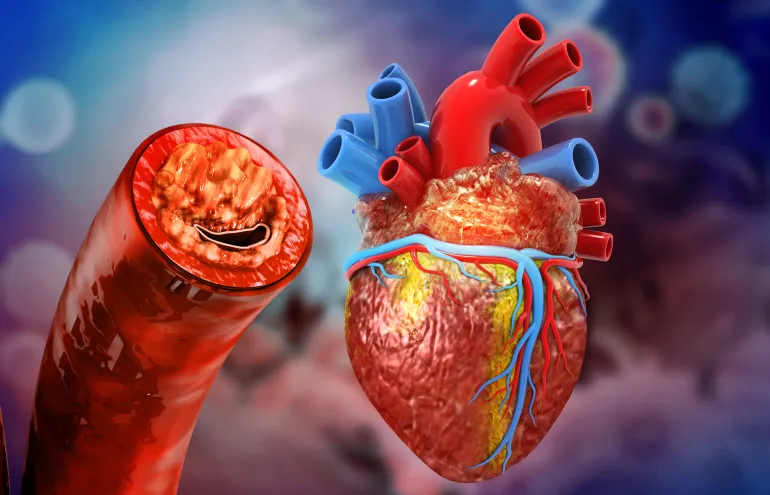
41% of the men included in the study reported suffering from at least one chronic disease, and the results showed a high risk of chewing tobacco users suffering from one or more chronic diseases by 49%, and it rose to 95% among users of both types, while it was 34% among tobacco smokers (i.e. those who are exposed to combustion).
The researchers supervising the study from the Health Sciences Center at the University of North Texas stressed the need for awareness to confront the health risks resulting from the use of chewing tobacco.
Damage to the heart and arteries
The effects of smokeless tobacco extend to the heart and blood vessels, according to a systematic review and analysis of 25 studies published in 2018, conducted by researchers from the Center overseeing tobacco products at the US Food and Drug Administration (FDA).
The review confirms a 17% higher risk of heart disease and a 28% higher risk of stroke among smokeless tobacco users, especially among those living in the United States.
In 2024, the American Heart Association’s group of cardiovascular experts and specialists issued a statement confirming the possibility of an increased risk of death as a result of the use of smokeless tobacco in patients with ischemic heart disease or cerebrovascular disease.
The aforementioned experts indicated that these tobacco products may cause changes in some biomarkers related to cardiovascular diseases.