

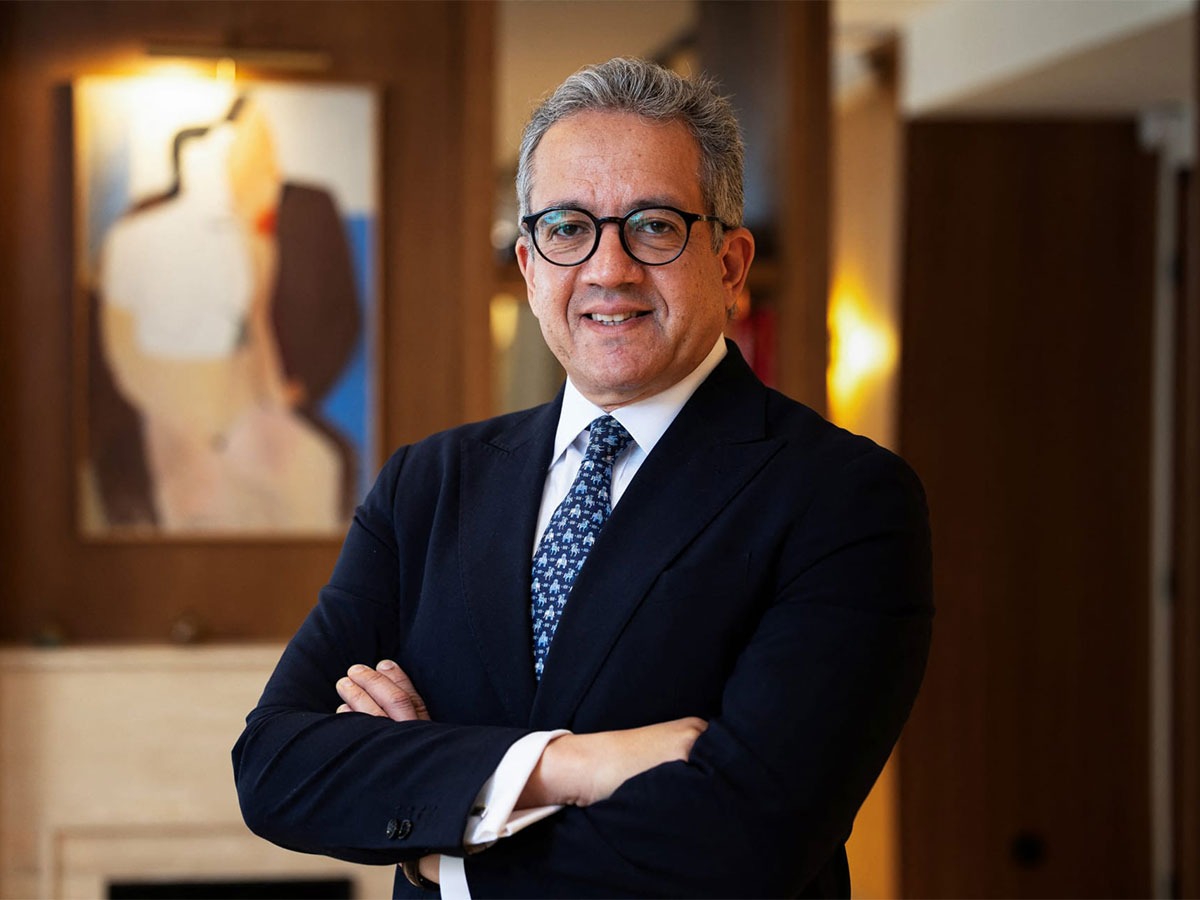
Dr. Khaled Al-Anani, Director-General of the United Nations Educational, Scientific and Cultural Organization (UNESCO), stressed that confronting the challenges associated with artificial intelligence and its governance requires cooperation and concerted international efforts, stressing that no country can achieve this alone in light of the rapid transformations that these technologies are bringing about in societies.
This came on the occasion of the launch of the fourth edition of the UNESCO Global Forum on Artificial Intelligence Ethics 2026 next week, with the participation of decision-makers, experts, academics, representatives of international organizations, and the public and private sectors from various countries of the world.
Al-Anani said that the forum represents an opportunity to mobilize international cooperation and help global AI governance keep pace with the speed of innovation, welcoming efforts aimed at promoting the ethical use of these technologies.
He pointed out that five years after UNESCO member states adopted the first global standard for the ethics of artificial intelligence, countries around the world are increasingly working to transform ethical principles into concrete policies, strategies and institutions, stressing that ethics is not limited to preventing harm, but rather includes ensuring that artificial intelligence is in the service of humanity, supports sustainable development, and achieves the public good.
The forum – which will be held in Riyadh – will discuss over four days the ethics and governance of artificial intelligence, capacity building, responsible innovation and international policies, in addition to reviewing global initiatives and experiences, in a way that enhances international dialogue on ways to employ artificial intelligence responsibly to serve societies and sustainable development.