

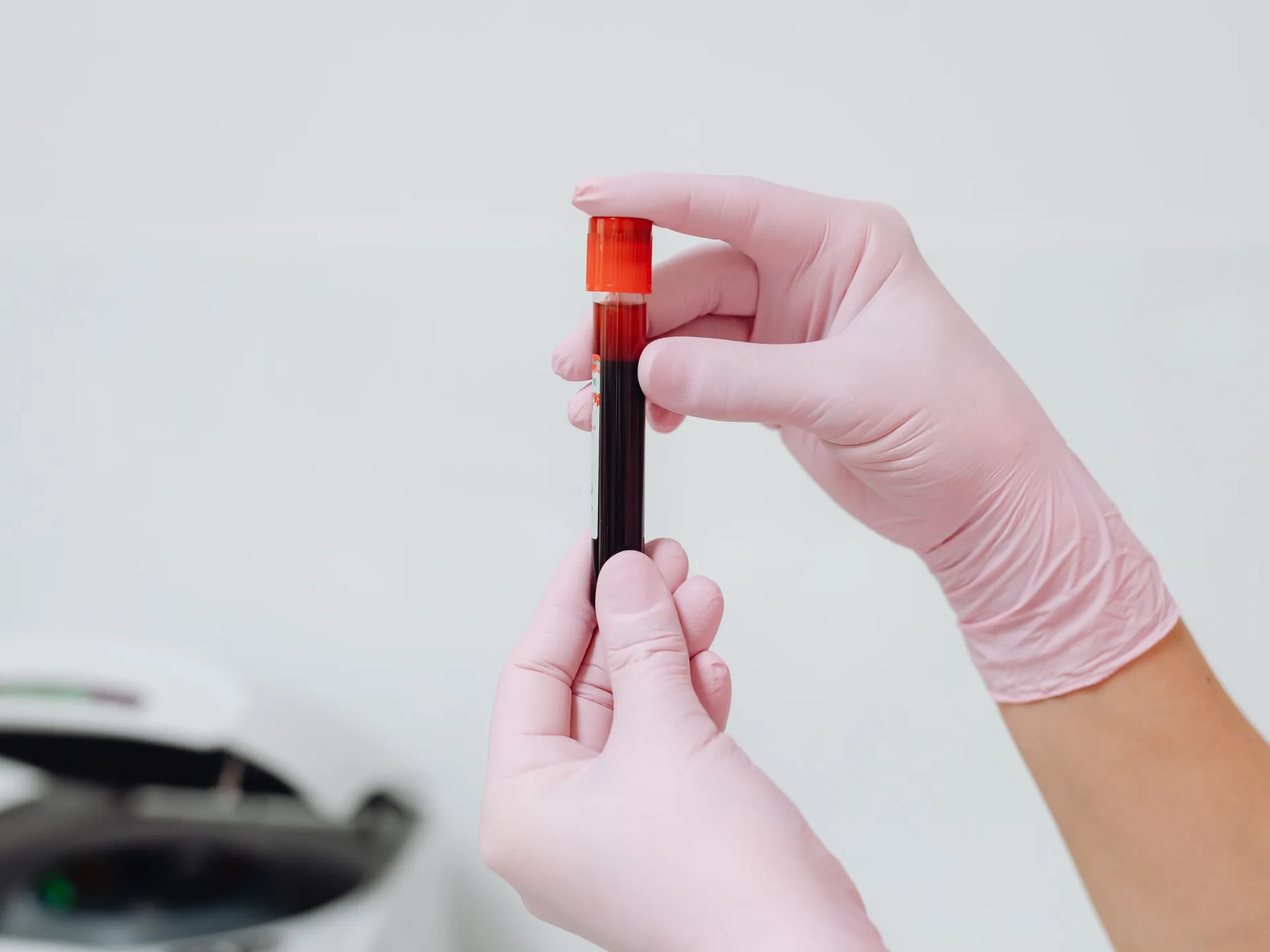
Blood is not just a red liquid that flows inside the vessels. Rather, it is a very complex living tissue that carries oxygen, nutrients, and hormones throughout the body, helps in eliminating waste, and participates in defending against infection, stopping bleeding, and maintaining the body’s internal balance.
The average adult’s blood volume is about 5 liters, with the amount varying depending on body size, gender, and other factors. What is interesting is that the heart at rest pumps on average about 5 to 6 liters of blood every minute, which is approximately equivalent to the volume of blood in the body during one minute, before the cycle continues repeatedly without stopping.
How can this limited quantity perform all these functions? The answer lies in the composition of the blood itself, and in the cardiovascular system that keeps its components in constant movement between the lungs, tissues and organs.
What is inside a drop of blood?
Blood consists of a liquid part, which is plasma, and red and white blood cells and platelets, each of which has a specific, indispensable function.
Plasma is the medium that carries the components of life
Plasma makes up about 55% of blood volume, and it is a yellowish liquid consisting of approximately 90% to 92% water.
But it is not just water. It carries proteins, salts, nutrients, hormones, and other substances that move between the body’s organs. Plasma also contributes to maintaining the balance of fluids, osmotic pressure, and pH.
Albumin is at the forefront of plasma proteins, as it plays an important role in maintaining oncotic pressure, which helps keep an appropriate amount of fluid inside the blood vessels, and also serves as a transporter for a number of substances in the blood.
Red blood cells are specialized carriers of oxygen
Red blood cells have a design that is remarkably compatible with their function. A mature pellet takes the shape of a concave disk on both sides, and during its maturation it loses its nucleus and most of its cellular organelles, which allows more space for hemoglobin and gives it flexibility that helps it pass through the tiny capillaries.
Hemoglobin is the iron-rich protein that is primarily responsible for binding oxygen in the lungs and transporting it to the body’s tissues. The shape of the sphere and the elasticity of its membrane also allow it to deform temporarily to pass through vessels that may be narrower than its diameter in its normal position.
White blood cells are a multitasking army
White blood cells represent one of the basic components of the immune system, but they are not one type, but rather include specialized groups that perform different functions.
There are cells that engulf foreign organisms and damaged cells, others participate in the inflammatory response, while some lymphocytes can produce antibodies, and other types recognize infected or abnormal cells and deal with them.
Platelets are the first line of defense against bleeding
Platelets are small cell parts that play an essential role when a blood vessel is injured. When a wound occurs, it adheres to the site of the injury and gathers to form a primary plug, and then the coagulation system works to stabilize the clot and limit blood loss.
Here, a distinction must be made between the role of platelets in stopping bleeding and the process of tissue repair itself, in which multiple systems and cells participate.
Anemia… when the blood’s ability to carry oxygen declines
Anemia is one of the most important and most widespread health problems related to blood. The World Health Organization defines it as a condition in which the number of red blood cells or hemoglobin concentration is less than the normal rate, which reduces the blood’s ability to deliver oxygen to the tissues.
Anemia does not represent a single disease with a single cause, but may result from nutrient deficiency, blood loss, infection, inflammation, chronic diseases, or genetic disorders.
The most prominent types and causes are:
- Iron deficiency anemia: It is the most common form of anemia resulting from nutrient deficiency. It may occur as a result of a lack of iron in the diet or blood loss, such as severe or chronic bleeding, or poor absorption of iron in the digestive system.
- Anemia resulting from a deficiency of vitamins: the most prominent of which are vitamin B12 and folate, as the bone marrow needs them to produce healthy blood cells.
- Anemia associated with chronic diseases and inflammation: It may accompany kidney disease, some tumors, infections, and immune diseases, as a result of the disease’s effect on the production of red blood cells or the use of iron.
- Genetic blood disorders: including sickle cell disease and thalassemia, where the structure of hemoglobin or its production process is affected.
The World Health Organization confirms that the causes of anemia are multiple, and that iron deficiency does not represent all cases of anemia, despite it being one of its most prominent causes globally.
Signs of danger
Anemia may be mild in its early stages and does not cause obvious symptoms, then signs begin to appear as its severity increases.
The most prominent symptoms are fatigue, weakness, dizziness or a feeling of light-headedness, headache, shortness of breath, especially with exertion, and cold hands and feet. In more severe cases, pale skin and mucous membranes may appear, and the heartbeat and breathing may accelerate.
These symptoms alone are not sufficient to diagnose anemia because they may appear in other diseases, so diagnosis depends on blood tests and evaluation of the possible cause.

Iron deficiency is not always anemia
One of the most common mistakes is to treat iron deficiency and anemia as the same condition. Iron deficiency may begin with a decrease in the body’s reserves, and the ferritin level may decrease while hemoglobin remains within normal limits. If the deficiency continues to the point that it prevents the production of a sufficient amount of hemoglobin, then the matter may develop into iron deficiency anemia.
This is why iron supplements should not be taken automatically when feeling tired or dizzy. Treatment depends on proving the deficiency and determining its cause and degree of severity. Blood loss or an absorption problem may be behind the condition.
Also, taking iron unnecessarily is not a way to increase activity, and it can cause side effects, and excessive intake in some people may lead to iron accumulation and health complications.
The role of food
Balanced nutrition can help prevent some types of anemia associated with nutrient deficiencies. Sources of iron include meat, poultry, fish, legumes such as lentils and beans, fortified grains and dark leafy vegetables. Eating sources of vitamin C, such as citrus fruits and peppers, with iron-rich plant foods also helps enhance the absorption of non-heme iron.
Tea and coffee contain compounds that can reduce the absorption of non-heme iron when consumed with a meal. A study showed that delaying tea consumption by one hour after a meal containing iron significantly reduced its absorption-inhibiting effect. Therefore, it may be beneficial, especially for those who suffer from iron deficiency or are exposed to it, not to drink tea in conjunction with iron-rich meals.
As for vitamin B12, it is found especially in animal foods such as meat, fish, eggs, and dairy products, while leafy vegetables and legumes are important sources of folate.
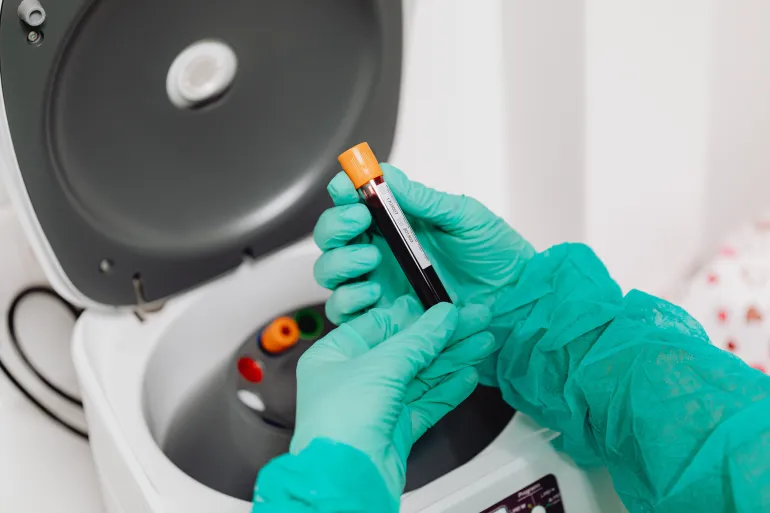
Anemia may be an indicator of another problem
In some cases, it is not the original problem, but rather a sign of another disorder. Hidden blood loss from the digestive system, heavy bleeding, or some intestinal and kidney diseases and chronic infections can lead to low hemoglobin.
Therefore, treating anemia is not always limited to giving iron or vitamins, but rather requires searching for the cause and treating it.
On the other hand, there is no medical rule requiring a complete blood test to be performed annually for every healthy person without symptoms or risk factors. The need for tests and their timing should be determined according to age, symptoms, health history, risk factors, and the doctor’s evaluation.
Other diseases that may affect the blood
Blood disorders are not limited to anemia, as diseases can affect white blood cells, affecting immunity, or platelets and clotting factors, increasing the tendency to bleeding or clot formation.
There are also diseases that originate in the bone marrow, including leukemia and other types of blood cancers, in addition to hereditary disorders that change the shape of blood cells or the structure and function of hemoglobin.
How do we maintain healthy blood and circulation?
There is no food or drink that “purifies the blood” in the medical sense, but lifestyle directly affects the health of the vessels, heart, and blood components.
Regular movement is important for blood circulation, while remaining immobile for long periods leads to slow blood flow in the veins of the legs, and may increase the risk of venous clots in people exposed to them.
The US Centers for Disease Control and Prevention recommends breaking periods of inactivity during long trips, moving the legs and walking approximately every one to two hours, especially when travel lasts more than 4 hours.
You should also pay attention to sudden swelling, unexplained pain, or heat and redness in one leg, as these may be signs of deep vein thrombosis and require medical evaluation. Sudden shortness of breath, chest pain, or coughing up blood may indicate that a clot has traveled to the lungs and requires urgent medical care.
Water is important…but no number fits everyone
Water represents more than 90% of plasma, so keeping the body hydrated is essential to support blood volume and various body functions.
But saying that each person should drink 2 or 3 liters of water daily is not accurate, as needs vary according to gender, body size, activity, temperature, health condition, pregnancy, and breastfeeding.
Common estimates indicate that the total daily fluid intake from food and drink in healthy adults may be about 2.7 to 3.7 liters, but this includes water found in various foods and drinks, not drinking water alone.

Smoking hits the blood from the inside
Smoking harm is not limited to the lungs. Carbon monoxide found in cigarette smoke binds to hemoglobin and reduces its ability to transport oxygen efficiently.
In some smokers, chronic lack of oxygen stimulates the body to produce more red blood cells, what is known as secondary erythrocytosis, a condition that may decline after quitting smoking.
Donating blood…the body compensates for what it has lost
Blood donation is primarily a humanitarian act that provides blood and its components to patients who need it, and is not a procedure required to improve each person’s health or “purify the blood.”
A whole blood donation usually requires about half a liter. After donating, the body begins the compensation process. Plasma can be replaced within about 24 hours, while red blood cells need about 4 to 6 weeks to be completely replaced.
But iron stores need a longer time, as blood donation removes about 220 to 250 milligrams of iron, and it may take several months to replace it in some people, especially frequent donors.
Therefore, the donation process is subject to standards related to hemoglobin level, health condition, and time intervals between donations, and some details vary according to the country and donation center.
Thus, the body’s ability to replace blood components reveals a very precise vital system, but the best way to protect it does not lie in recipes to “purify the blood” but rather in balanced nutrition, physical activity, avoiding smoking, paying attention to the symptoms of anemia and clots, and searching for the real cause of any disorder instead of treating it randomly.