

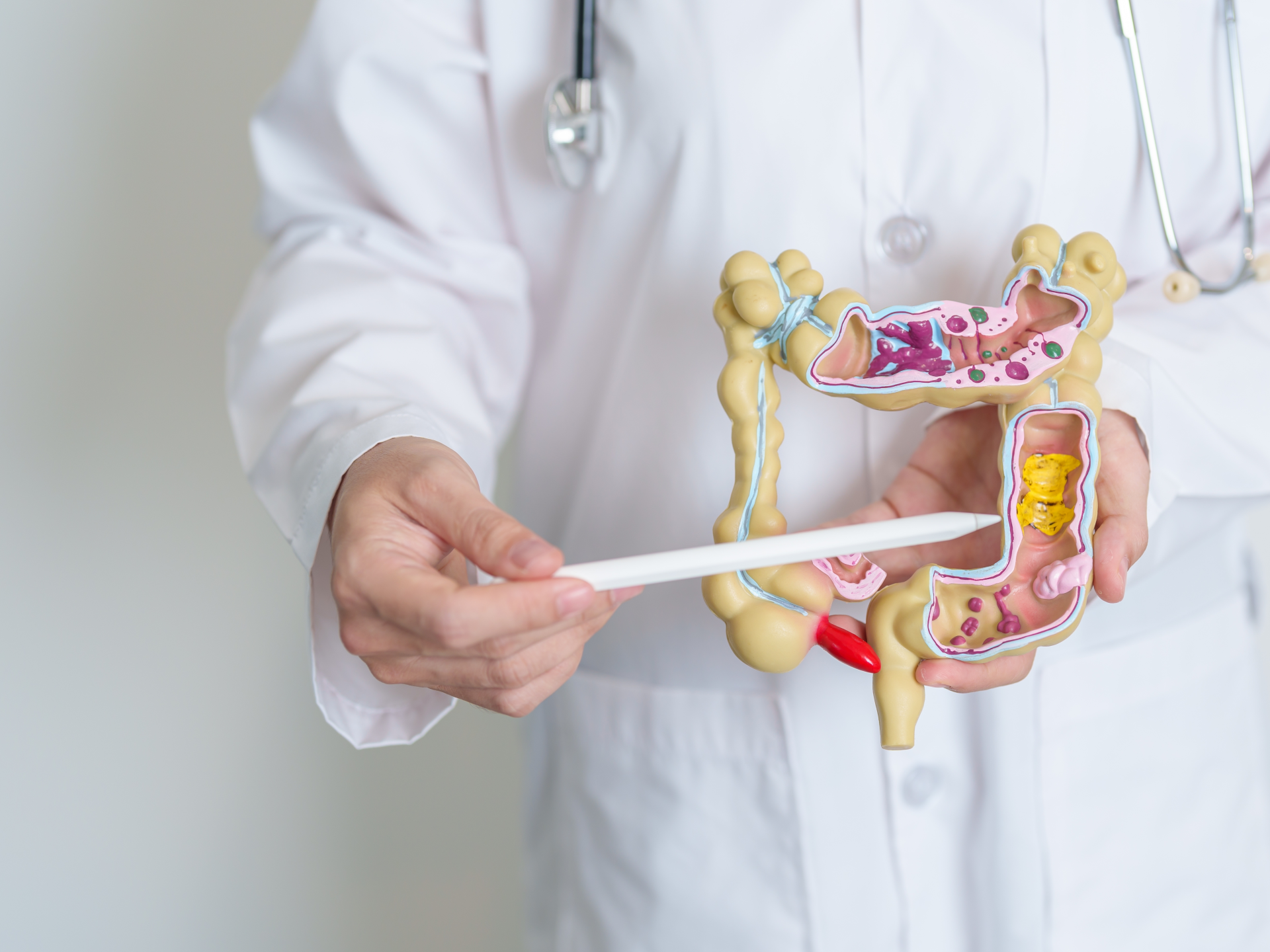
For decades, colorectal cancer was viewed as a disease primarily associated with aging. This is still largely true, as the majority of cases occur after the age of fifty. But a new epidemiological trend is drawing the attention of researchers: rising infection rates in people under the age of 50.
This condition is known as early-onset colorectal cancer. This situation does not mean that the spread of the disease among young people has become the same as it is among the elderly, but its rate of increase in younger groups has become so clear that it is difficult to ignore.
A large international analysis published in the prestigious journal The Lancet Oncology, which included data from 50 countries and territories, showed that the incidence of early colorectal cancer has increased in 27 of them.
In 20 countries, the increase was limited to young people or was faster than among older groups. In the United States, for example, data from the American Cancer Society for the year 2026 indicate that the infection rate among those under the age of 50 increased by about 2.9% annually between 2013 and 2022, despite the continued general trend towards a decrease in infection at older ages.
The question that scientists are trying to answer now is: Why?
Genes don’t explain the whole story
When a person in their 30s or 40s is diagnosed with cancer, the first thought is often about genetics. There are indeed genetic syndromes, such as Lynch syndrome, that significantly increase the risk of developing colorectal cancer at an early age, but they do not explain the majority of cases.
A comprehensive scientific review in the journal Nature Reviews Disease Primers indicates that a hereditary cancer syndrome can be found in about 20% of colorectal cancer patients at an early age, while the majority have no known genetic predisposition that explains the disease.
Human genes have not changed rapidly enough over a few decades to explain this rise. So scientists started looking at something else: What has changed in the environment, diet, lifestyle, metabolism, and gut microbiome of modern generations?
The story probably began in childhood
One of the most important observations came from the so-called “birth cohort effect.” It has been shown that the risk of colorectal cancer began to rise in generations born since the second half of the twentieth century, and that this rise moves with the generations themselves as they age. This raises an important idea: Perhaps it is not enough to ask what the patient ate in the five years before he was diagnosed with cancer, but rather we must also ask what he was exposed to during childhood, adolescence, and early young adulthood.
Diet has changed, obesity has become more prevalent at younger ages, physical activity has decreased, antibiotic use has increased, and the environment in which the gut microbiome (the collection of microbes that live in the intestines) is formed has changed. New environmental and nutritional exposures have also emerged over the past decades, some of which may have a role that we do not yet understand.
Cancer that appears at 40 may be the result of a series of biological events that began decades earlier.
Obesity and metabolic disorder under the microscope
One of the most notable changes that coincided with the rise in colon cancer among young people is the large spread of obesity, type 2 diabetes, and metabolic disorders. Obesity is not just an accumulation of fat, but can be accompanied by insulin resistance, high insulin levels, low-grade chronic inflammation, and disturbances in growth and immune factors, changes that may provide an environment conducive to the growth of cancer cells.
Epidemiological studies support a relationship between obesity and the risk of early colorectal cancer. A recent systematic review also showed that obesity was associated with a 45% increased risk of the disease, with indications that weight gain in adolescence and early adulthood may be particularly important.
But here we must beware of the easy interpretation. Obesity is not the only cause. Colon cancer also affects young people of normal weight, athletes, and people who do not suffer from diabetes or obvious metabolic disorders. Hence, obesity appears to be a factor rather than the only factor.
What has changed in our food?
Another suspect is the modern diet. Over the past decades, consumption of processed meats, sweetened beverages, refined grains and many ultra-processed foods has risen, while many diets contain lower amounts of fibre, whole grains and legumes.
For colorectal cancer in general, there is strong evidence that processed meats increase the risk, while fiber and whole grains are associated with a lower risk. Physical activity also provides additional protection.
As for ultra-processed foods, large observational studies have found a relationship between consuming high quantities of them and an increase in colorectal cancer in some groups, but this relationship does not alone prove that these foods are the direct cause.
Another study in women found a relationship between high consumption of sugar-sweetened beverages, especially during adolescence, and a higher risk of early colorectal cancer. But it is also an observational study, so we should not treat it as definitive proof of causality.
The effect of food may be more complex than just calories; It also affects insulin, inflammation, bile acids, the speed of passage of intestinal contents, as well as the trillions of microbes that live inside the colon.
Do some bacteria hold the key to the mystery?
Here we come to one of the most exciting scientific discoveries in recent years. Inside the digestive tract lives a huge community of bacteria and microorganisms known as the gut microbiome.
These microbes constantly interact with food, the immune system, and the cells lining the colon. Researchers have suspected for years that an imbalance in this microbial community may contribute to colon cancer.

But a large study published in the journal Nature in 2025 provided more specific evidence, as researchers analyzed the genomes (DNA) of 981 tumors from 11 countries, and searched for specific fingerprints of mutations in the DNA that could reveal exposure to mutagenic factors.
They found two fingerprints, known as (SBS88) and (ID18), produced by a substance called colibactin, which is a genotoxic substance produced by some strains of Escherichia coli bacteria found in the intestines.
These fingerprints were 3.3 times more common in people who were diagnosed with cancer before the age of 40 than in those who were diagnosed after the age of 70. The damage associated with colibactin also appeared to occur at an early stage of tumor development, and was associated with mutations in the APC gene (the APC protein acts as a tumor suppressor), which is one of the most important genes in which the journey of transforming a normal colon cell into a cancer cell usually begins.
The story gets even more interesting because another study published in the journal Nature Genetics in August 2026, which studied colorectal cancer in patients in Japan, found that mutational signatures associated with colibactin were more common in people born after the 1960s.
These results raise an important possibility: Are some people exposed during childhood or youth to colibactin-producing bacteria, leaving mutations in colon cells that may contribute decades later to the emergence of cancer? It’s an interesting hypothesis, but it’s still a hypothesis.
These studies do not mean that E. coli simply causes colon cancer, nor that every person carrying a colibactin-producing strain is susceptible to cancer, nor that colibactin alone explains the rise in the disease in young people. But it provides, for the first time, a measurable biological link between exposure to certain gut bacteria and early age of cancer.
What about antibiotics?
This in turn raised another question: What makes the microbiome of modern generations different? The use of antibiotics has become one of the factors that scientists are studying, because they are able to change the microbial system within the intestine, especially when exposure occurs at early ages or repeatedly.
Some studies have found a link between the use of antibiotics and early colon cancer, but current evidence does not prove that antibiotics cause the disease, as there are many factors that can confound this relationship.
Therefore, there is no justification for avoiding an antibiotic that the patient needs medically, but rather this issue reaffirms the importance of not using antibiotics unnecessarily.
There is no single reason
This may be the key to understanding the phenomenon, as it is unlikely that we will one day find a single factor and say: “This is why colon cancer is on the rise in young people.” What is most likely is that the disease arises from a long-term interaction between genetic predisposition, diet, obesity and metabolism, physical activity, smoking and alcohol, the microbiome, and perhaps environmental factors that we do not yet know about.
The path leading to cancer may differ from one person to another. This explains why we find a young patient who suffers from obesity and diabetes, another who is thin and athletic, and a third who carries a clear genetic mutation. The end result is the same, but the biological path to it may be different.
The problem is that the young man does not expect cancer…and neither does the doctor. There is another aspect of the problem that is not related to the causes of the disease, but rather to the speed of its detection. A person in his 30s who notices blood in his stool may assume that he suffers from hemorrhoids. Abdominal pain may be interpreted as irritable bowel syndrome, or changes in defecation habits may be attributed to diet. Sometimes the doctor himself may be less inclined to think about cancer because the patient is young.
A systematic review and meta-analysis of 81 studies that included more than 24.9 million people under 50 showed that the most common symptoms in patients with early colorectal cancer were bleeding in the stool, abdominal pain, and changed bowel habits. A delay between the onset of symptoms and diagnosis, which often reached about 4 to 6 months, was also common.
Therefore, the presence of frequent blood in the stool, anemia due to iron deficiency without a clear explanation, a continuous change in defecation habits, persistent abdominal pain, or unexplained weight loss requires medical evaluation, regardless of age.
Here, a distinction must be made between two things that are often confused: early screening of healthy people, and diagnosing a young person with symptoms, as a person who suffers from warning symptoms should not wait until he reaches the age of testing.
Does every young person need a colonoscopy?
no. The relative increase in incidence does not mean that every young person should undergo a colonoscopy is justified, but the increase in cases has prompted some countries to lower the age at which screening begins. In its 2026 update, the American Cancer Society reaffirmed its recommendation to begin regular screening for people at average risk at age 45.
The examination may be through stool tests, colonoscopy, or other approved methods, according to the health system and the person’s condition. As for people who have a strong family history, a genetic syndrome such as Lynch syndrome, or chronic inflammatory bowel diseases, they may need to start follow-up earlier.
What can we do?
Scientists do not yet fully know why early colorectal cancer is on the rise, so claiming that one food, substance, or bacteria is responsible would be premature. But we have enough evidence to take reasonable action. Maintaining a healthy weight, being physically active, eating a diet rich in vegetables, legumes, whole grains, and fiber, limiting processed meats, not smoking, and reducing or avoiding alcohol are all practices that reduce the risk of colorectal cancer or are associated with better overall health.
But perhaps the most important message is to abandon the old idea that colon cancer is only a disease of the elderly. It is still much less common in young people, so there is no need to panic. But having a young age is no longer a sufficient reason to rule out the disease when there are worrying symptoms.
At the same time, recent discoveries lead us to a deeper scientific question than just: “What did this patient eat?”
The real question may be: What has changed in the environment of modern generations, since childhood, in their diet, metabolism, and gut microbes, such that colon cells have become more susceptible to cancerous transformation decades before the age at which we are accustomed to seeing this disease? Science doesn’t have the full answer yet. But he started getting closer to her.