

In the minds of many people, cancer is associated with smoking, obesity, or genetic factors, but a recent global study reveals that infection plays a greater role than some might expect, as a small group of viruses and bacteria are behind millions of cancer cases annually.
The study, conducted by researchers at the International Agency for Research on Cancer (IARC) and published electronically in The Lancet Oncology on September 28, 2026, estimated that the infection caused about 2.3 million new cancer cases around the world during the year 2024, or about 12% of the total new cases, or approximately one in every 8 cancer cases.
The researchers relied on data from the International Agency for Research on Cancer’s Global Cancer Observatory, in an analysis that the agency described as the most comprehensive and up-to-date to date of the global burden of cancer resulting from infectious agents.
5 factors at the forefront
Although there are a number of infectious agents known to cause cancer, 5 of them were responsible for most of the global burden:
- Helicobacter pylori or “stomach bacteria.”
- Human papilloma virus.
- Hepatitis B virus.
- Epstein-Barr virus.
- Hepatitis C virus.
-
Stomach bacteria
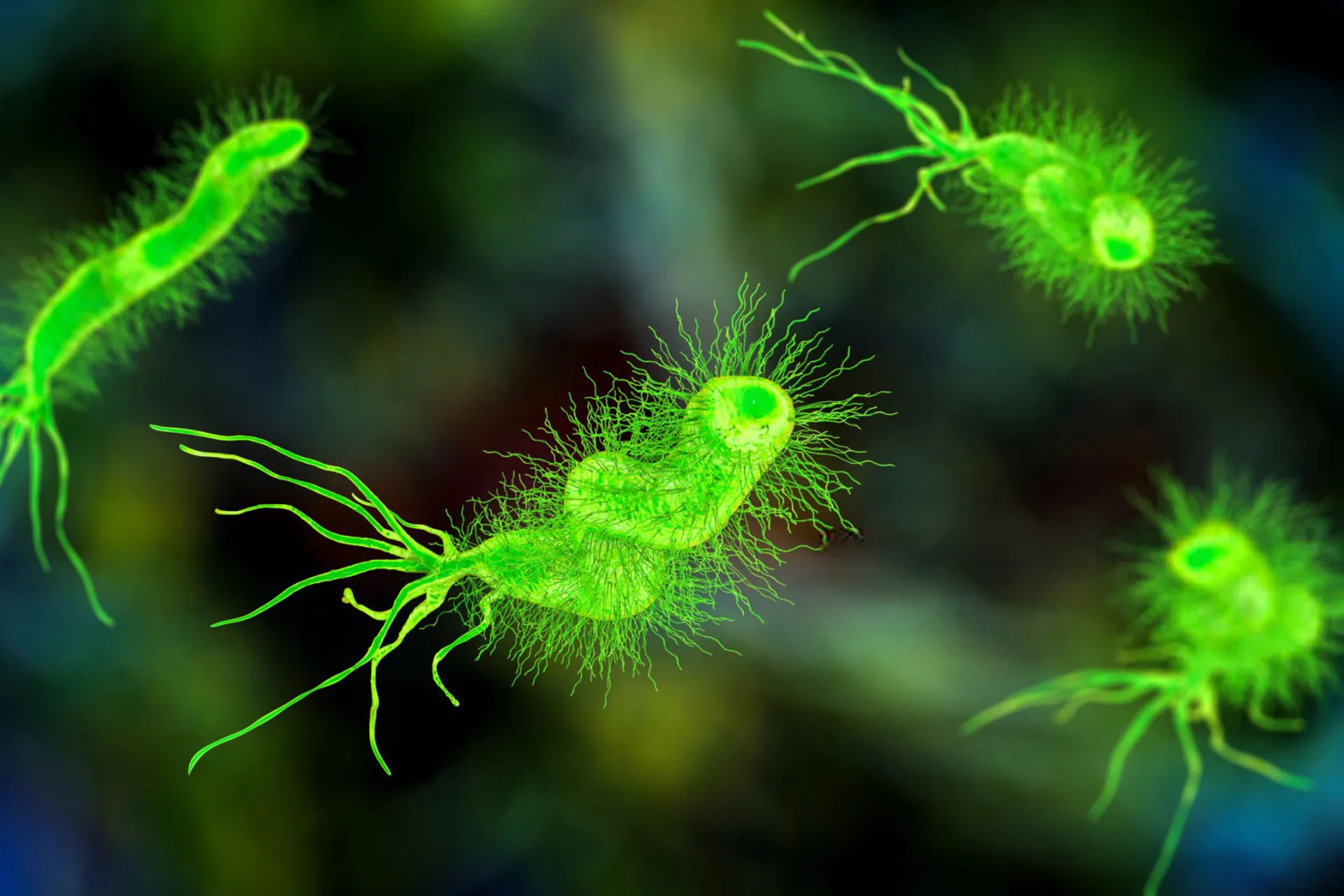
Helicobacter pylori bacteria topped the list, as it was linked to about 760,000 cancer cases during the year 2024, which is equivalent to about 4% of all new cancer cases in the world, the largest percentage of which were stomach cancers.
Helicobacter pylori is a widespread bacteria that lives in the stomach, and most people infected with it do not show symptoms, but chronic infection with some of its strains may cause long-term inflammation, ulcers, and changes in the stomach lining, which can develop in a percentage of those infected into cancer.
The World Health Organization confirms that chronic infection with stomach bacteria increases the risk of stomach cancer, and the International Agency for Research on Cancer lists it as a carcinogenic factor for humans.
-
Papilloma virus
Human papillomavirus (HPV) came in second place, with about 750,000 new cancer cases attributed to it in 2024, which is also close to 4% of the total cases.
There are many types of the virus, and the immune system can eliminate most infections automatically, but continued infection with some high-risk types may lead over time to cancerous changes.
The virus is closely linked to cervical cancer, as well as a number of anal, penile, vulvar, and vaginal cancers and some head and neck cancers.
At the same time, this virus represents one of the most prominent examples of cancer whose risk can be reduced by preventing infection, as effective vaccines are available against it.
The International Agency for Research on Cancer had estimated in previous data that about 750,000 cancer cases in 2020 could be attributed to the papillomavirus alone.
-
Hepatitis B
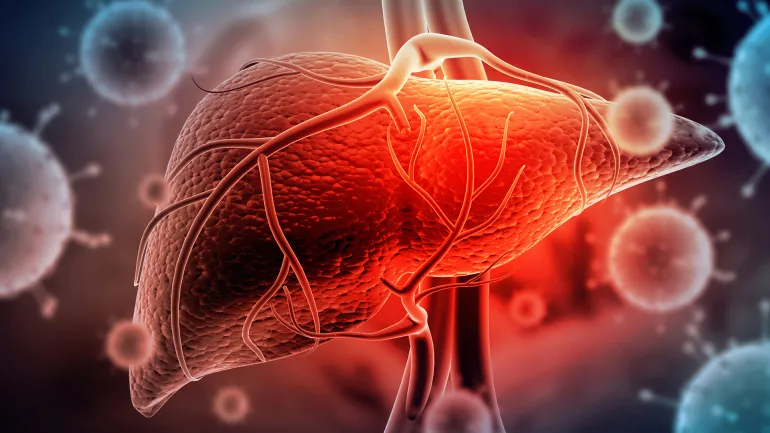
Hepatitis B virus (HBV) came in third place, after it was linked to about 2% of new cancer cases globally in 2024, or approximately 360,000 cases, and liver cancer was the most prominent tumor associated with it.
Chronic infection with the virus can cause persistent inflammation and damage to liver tissue, which over the years increases the risk of cirrhosis and hepatocellular carcinoma.
Prevention is largely possible thanks to the vaccine, and the World Health Organization recommends vaccination against hepatitis B as part of measures to reduce the risk of cancer.
-
Epstein-Barr virus
The most notable thing revealed by the new study is the increase in estimates related to the Epstein-Barr virus (EBV), as it is linked to about 1% of all new cancer cases in 2024, or approximately 260,000 cases.
This represents an important change compared to previous estimates, after new scientific evidence has accumulated linking the virus to a greater number of stomach cancers, in addition to its known relationship with nasopharyngeal cancer and types of lymphomas.
The Epstein-Barr virus (EBV) is one of the most widespread viruses in the world, as most people become infected with it during their lives. The infection usually passes without serious problems, and the virus remains dormant in the body after that. However, the continuation of the infection or its interaction with other factors is associated with some cancers in a small percentage of people.
According to the International Agency for Research on Cancer, the new analysis took into account recent evidence linking the Epstein-Barr virus to stomach cancer, which is one of the reasons that raised the estimate of the cancer burden associated with it.
But infection with the virus does not mean that a person will develop cancer; The infection is widespread, while tumors develop only in a very small percentage of infected people as a result of the interaction of multiple factors.
-
Hepatitis C
Hepatitis C virus (HCV) came next, and was associated with less than 1% of new cancer cases globally, and about 160,000 cases, according to previous global burden estimates that are consistent with recent results.
A vaccine against the virus is not yet available, but modern antiviral treatments can eliminate the infection in a large percentage of patients, which in turn reduces the risk of long-term liver complications.
Not just 5
The results do not mean that these are the only infectious agents capable of causing cancer. The new analysis expanded the range of factors included compared to previous estimates, including factors such as HIV and Merkel cell polyomavirus, and also took into account newly established relationships between certain infections and certain tumors.
Other infectious agents associated with cancer include Kaposi’s sarcoma-associated herpesvirus, human T-cell lymphotropic virus type 1, and some parasites associated with bladder and bile duct cancers.
Where is the burden concentrated?
The study revealed a large geographical disparity in infection-related cancers. East Asia alone recorded about 42% of infection-related cases in the world during 2024, and the burden there was mainly driven by stomach bacteria and the hepatitis B virus.
About three-quarters of all cancer cases attributed to infection occur in low- and middle-income countries, reflecting significant disparities in access to vaccination, screening, diagnosis and treatment.
The World Health Organization explains that cancers resulting from infections represent a relatively greater burden in low- and middle-income countries than in higher-income countries.

20 million cancer cases
The study comes as the global burden of cancer continues to rise. According to the latest estimates from the Global Cancer Observatory, about 20.6 million people will be diagnosed with cancer in 2024, and about 9.8 million people will die from it. Lung cancer was the most diagnosed globally with about 2.6 million new cases, followed by breast cancer in women, then colorectal cancer.
This means that infection-related cases, amounting to about 2.3 million cases, represent a large portion of the global burden of the disease.
But the importance of the results of the study lies in the fact that many infectious agents that cause cancer can be prevented or treated before reaching the cancer stage.
Vaccines are available against human papillomavirus and hepatitis B, stomach bacteria can be diagnosed and treated with antibiotics, and there are effective treatments for hepatitis C, in addition to the possibility of reducing the risk of infection through means such as safe injections and improving screening and diagnostic programs.
These results are consistent with another global analysis published by the World Health Organization and the International Agency for Research on Cancer in February 2026, which estimated that about 37% of all new cancer cases recorded globally in 2022, or about 7.1 million cases, were associated with preventable factors, including smoking, alcohol, obesity, air pollution, and infection.
These numbers indicate that the fight against cancer does not always begin within oncology treatment centers, but may begin years before that, with a vaccine, treatment of a chronic infection, or a screening program capable of stopping the disease before it appears.