

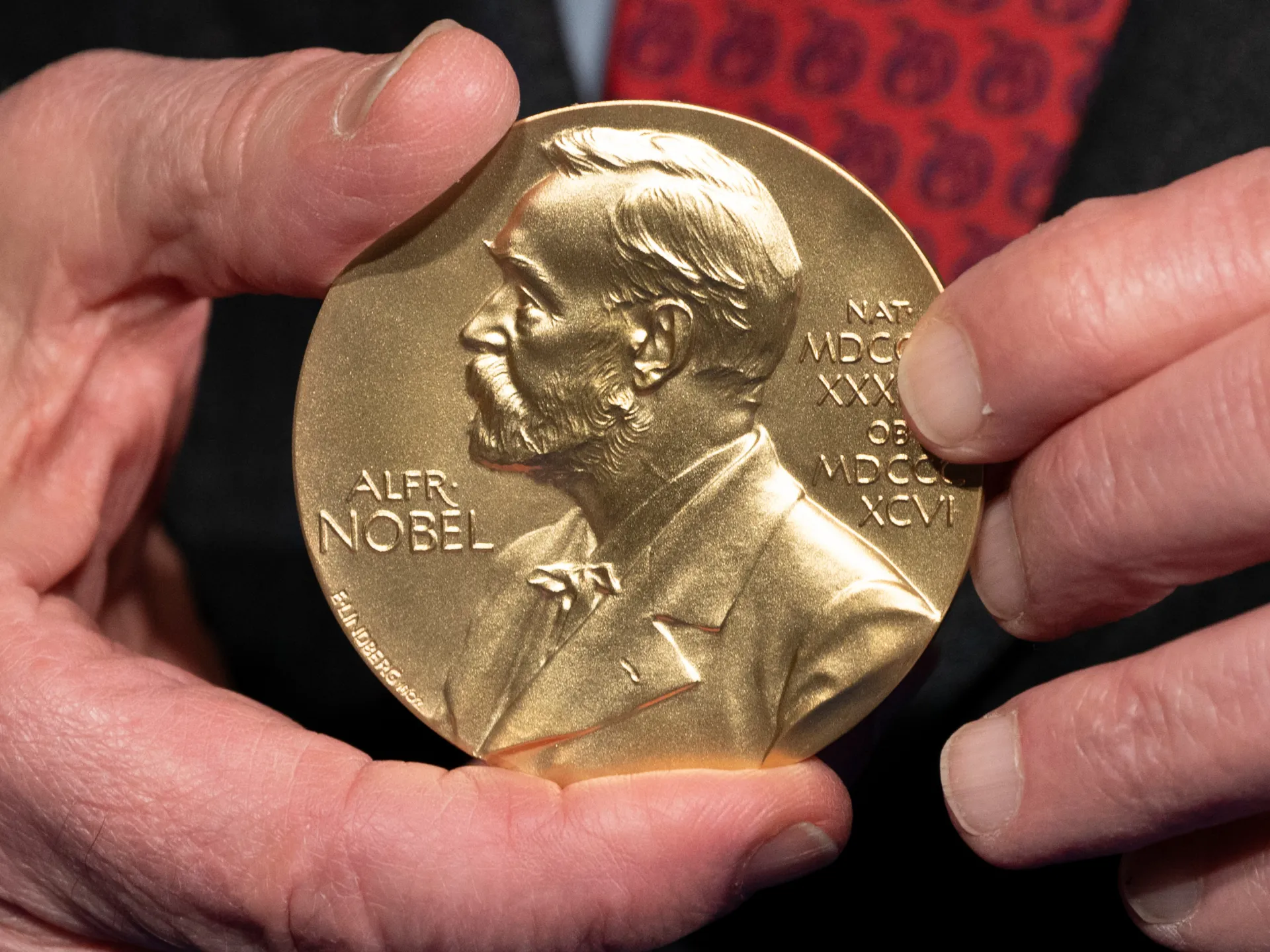
As the announcement of the Nobel Prize in Physiology or Medicine for the year 2026 approaches, tomorrow, Monday, October 5, at the Karolinska Institute in Sweden, the names of scientists associated with the most prominent medical and scientific transformations in recent decades will return to the forefront.
The Nobel Committee does not announce the names of the nominees in advance, as the nomination files remain secret for 50 years, and therefore the names circulated before the announcement of the award do not represent an official list, but rather are based on the expectations of researchers and scientific institutions that follow achievements with great impact.
Among the entities that put forward such names are The Scientist, which polled the opinions of researchers regarding scientists who might deserve the award, and Clarivate, a company specializing in analyzing scientific citations, which annually issues a list of scientists whose achievements it believes are “Nobel-level,” without this meaning that they are expected to win in a particular year.
Emmanuel Mineo and Masashi Yanagisawa
Sleep scientists Emmanuel Mineo of Stanford University and Masashi Yanagisawa of Japan’s University of Tsukuba are leading a number of predictions this year, after their work led to revealing the pivotal role of the orexin system in maintaining alertness and its relationship to narcolepsy.
The story started from two separate paths. In the late 1990s, Yanagisawa’s team discovered orexin peptides and their receptors, while Mineo was searching for the genetic basis of narcolepsy in dogs.
Mineo’s team’s 1999 study revealed a defect in an orexin receptor gene in dogs with hereditary narcolepsy, while Yanagisawa’s team showed that mice lacking orexin exhibit narcolepsy-like behavior.
Then came human studies to prove that orexin deficiency is a major feature of narcolepsy type 1.
This journey culminated in Mineo and Yanagisawa receiving the 2026 Albert Lasker Prize for Basic Medical Research, one of the most prominent international medical awards, in recognition of the discovery of the orexin system and its relationship with wakefulness and narcolepsy.
Lotte Pierre Knudsen and John Ing
GLP-1 drugs feature strongly in Nobel Medicine’s predictions, after research that began decades ago on intestinal hormones turned into one of the largest modern revolutions in the treatment of diabetes and obesity.
Danish pharmacologist Lotte Berry Knudsen is one of the main figures behind transforming GLP-1, which quickly decomposes in the body, into long-acting drugs that can be used therapeutically.
Her work contributed to the development of “liraglutide”, which was first used to treat type 2 diabetes, and then became a basis for treating obesity as well.
In 2024, Knudsen received the Lasker-DeBakey Prize for Clinical Medical Research, along with Joel Habener and Svetlana Mojsov, and was among the winners of the Breakthrough Life Sciences Prize in 2025.
As for John Ing, his research on the compound “Exendin-4”, which was isolated from the venom of the Gila lizard, played a pivotal role in the development of “Exenatide”, one of the first drugs belonging to the class of GLP-1 receptor agonists to treat type 2 diabetes.

Svetlana Mojsov, Jens Jul Holst, and Daniel Drucker
Clarivate lists three of the most prominent pioneers of GLP-1 research in its 2026 list: Svetlana Mojsov, Jens Juul Holst, and Daniel Drucker, in recognition of their contributions to the discovery of this hormone and determining its biological functions and therapeutic potential.
The work of these scientists contributed to charting the path that led, decades later, to the emergence of drugs that changed the treatment of diabetes and obesity, including “Semaglutide,” the active ingredient in medications such as Ozempic and Wigovi.
Terzepatide, the active ingredient in Mongaro, acts dually on GLP-1 and GIB receptors, which is why it differs from drugs that target GLP-1 alone.
Mojsov, Holst, and Drucker – along with other researchers – received the 2025 Breakthrough Prize in Life Sciences in recognition of the research that established this therapeutic transformation.
Carl John
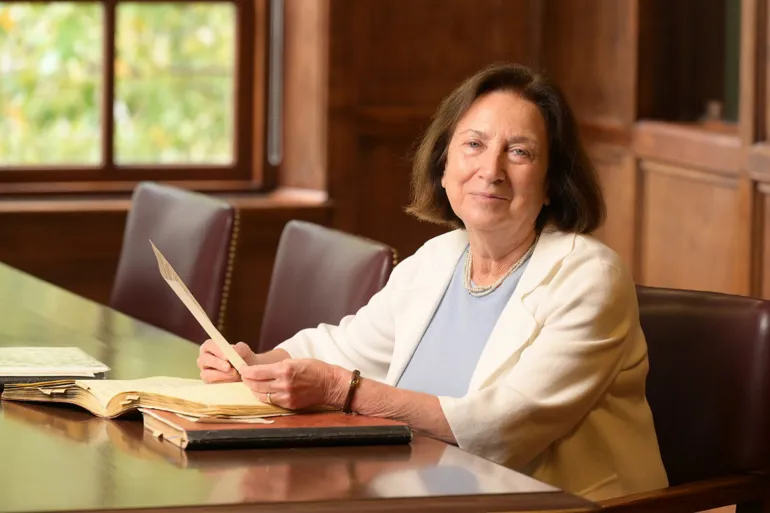
American immunologist and oncologist Carl John is one of the pioneers of chimeric antigen receptor T-cell therapy, known as CAR-T.
The idea is to extract T cells from the patient, then genetically modify them in the laboratory so that they are able to recognize specific targets on the surface of cancer cells and attack them, before returning them to the patient’s body.
This technology has brought about a major transformation in the treatment of some blood cancers, especially in patients whose cases have not responded to traditional treatments.
John’s team was one of the pioneers in early clinical trials of the treatment, before the United States approved the first CAR-T treatment in 2017.
John, along with Michelle Sadelin, received the 2024 Breakthrough Prize in Life Sciences in recognition of their contributions to the development of treatment.
James Fujimoto, David Huang, and Eric Swanson
The names of James Fujimoto, David Huang and Eric Swanson recur in Nobel predictions thanks to the development of optical coherence tomography (OCT).
This technology uses light to obtain high-resolution cross-sectional images of tissues, and has revolutionized ophthalmology, as doctors can now see and examine the layers of the retina quickly and without surgical intervention.
Researchers published the first basic studies of the technology in 1991, and over the following decades it turned into an essential diagnostic tool in eye clinics around the world, and its applications extended to other fields, including heart disease.
Fujimoto, Huang and Swanson received the 2023 Lasker-DeBaicki Clinical Research Award for technology innovation and development.
Timothy Springer
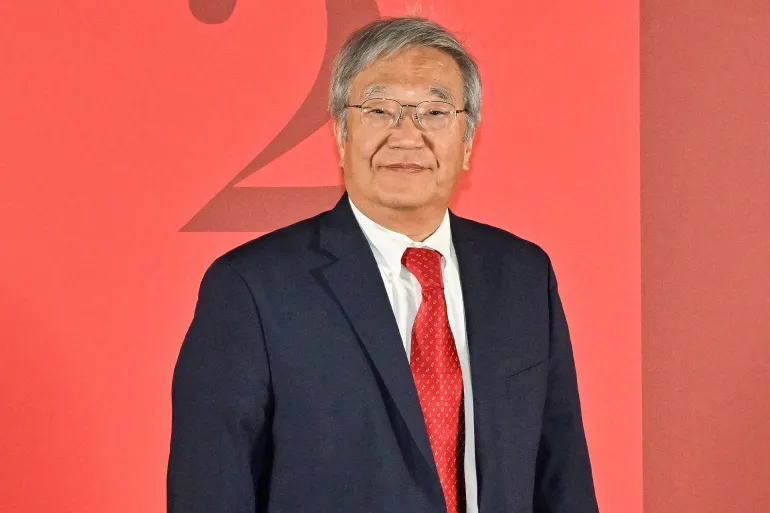
Clarivate has included American immunologist Timothy Springer in its 2026 list in recognition of his discoveries related to adhesion molecules that control the movement of immune cells and their transfer between blood and tissues.
His research helped reveal how immune cells adhere to each other and to surrounding tissues, which are essential processes in the functioning of the immune system and in the development of infections.
This understanding has paved the way for the emergence of therapies targeting adhesion molecules in a number of autoimmune and inflammatory diseases, among other applications in medicine.
Max Cooper and Jack Miller
The names Max Cooper and Jack Miller return to the forefront whenever there is talk about Nobel-worthy achievements in immunology, after they contributed to revealing the foundations on which the adaptive immune system is based.
Their research led to the distinction between two main types of lymphocytes, B cells and T cells, a discovery that changed scientists’ understanding of how the body recognizes and confronts pathogens.
The two scientists received the Albert Lasker Award for Basic Medical Research in 2019 in recognition of this achievement, which established a large aspect of modern immunology.
Cooper works at Emory University in the United States, while Miller is an Australian immunologist born in France, and his scientific career is linked to the Walter and Eliza Hall Institute for Medical Research in Australia.
David Liu
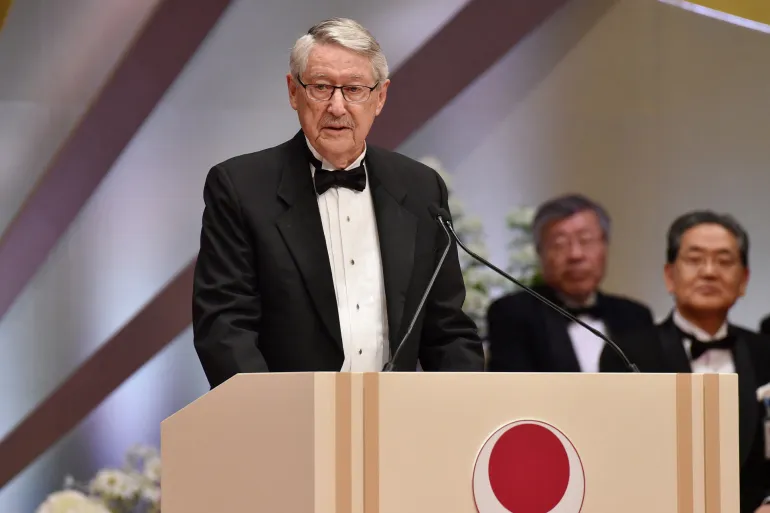
Biochemist David Liu is among the household names thanks to the development of new techniques for editing genetic material that are more precise than traditional gene editing methods.
Liu and his team developed a “base editing” technique that allows some DNA bases to be changed without cutting the entire DNA strand, and then a “prime editing” technique that allows a wider range of substitutions, deletions and additions to be made within the genetic material.
Both technologies hold great potential for treating diseases caused by specific genetic mutations.
Liu won the Breakthrough Prize in Life Sciences for the year 2025, but Clarivate included him in its 2026 list in the field of chemistry, not medicine, in an indication of the overlapping nature of gene editing research between more than one scientific field.
Hari Mohan Saxena
The name of Indian researcher Hari Mohan Saxena appeared in one of the opinions published by “The Scientist” poll, due to research that dealt with the use of the breakdown products of Brucella bacteria with phages in an attempt to develop an immunotherapy for the disease in cows.
But this name requires a great deal of caution when placed alongside the rest of the scientists, as the main study published in 2018 on this approach was officially withdrawn in 2022.
The decision to withdraw came after concerns were raised regarding the methodology and reliability of some results and data, in addition to differences related to ethical approval for the use of animals.
The two researchers did not agree to the withdrawal decision and adhered to the results of the study, but placing this work on the level of other discoveries mentioned in the Nobel predictions remains a matter of reservation.
What do the numbers say?
Clarivate’s lists draw attention each year for their reliance on scientific citation analysis, but they do not present themselves as a straightforward prediction of Nobel Prize winners in a given year.
Since the launch of the Citation Laureates program in 2002, the company has included 487 researchers on its lists, 89 of whom later won the Nobel Prize, and in some cases the win came years after their names were chosen.
In the 2026 medicine list, Clarivate focused on three main axes: GLP-1 research, represented by Svetlana Mojsov, Jens Juul Holst, and Daniel Drucker, and optical coherence tomography, represented by James Fujimoto, David Huang, and Eric Swanson, in addition to Timothy Springer in the field of immune adhesion molecules.
But all of these names remain outside the circle of official announced nominations, simply because the Nobel Committee does not reveal the names of the nominees before 50 years have passed.
From the award’s inception in 1901 until 2025, the Nobel Prize in Physiology or Medicine has been awarded 116 times to 232 scientists.
Much of the speculation will end tomorrow, Monday, October 5, when the Karolinska Institute announces the name of the winner or winners of the 2026 Nobel Prize in Medicine, before the winners officially receive their awards in Stockholm on December 10, on the anniversary of Alfred Nobel’s death.