

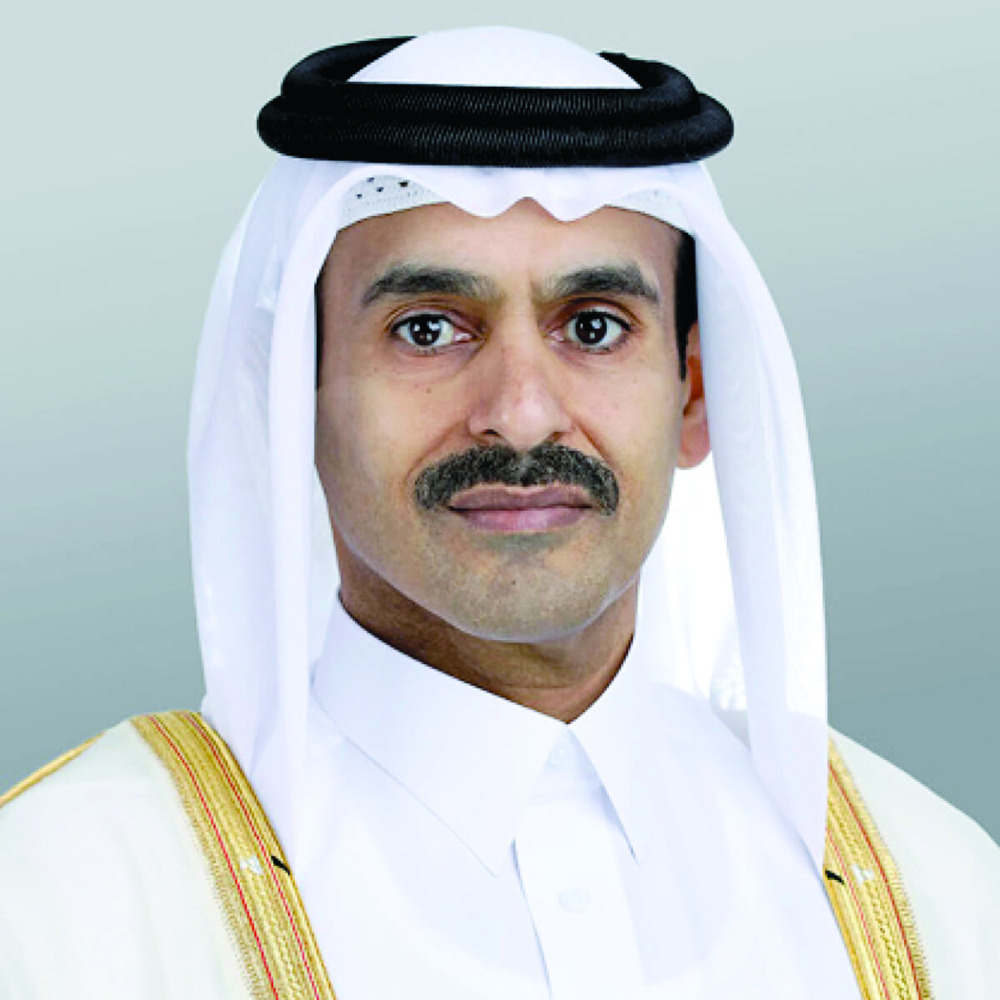
Forbes Middle East announced its 2026 Sustainability Leaders list, which includes 14 individuals from the State of Qatar and highlights executives who contribute to advancing the sustainability agenda and influence the course of the most prominent companies in the region.
The list includes 145 entries distributed across 17 sectors, including: banking, energy and utilities, family businesses, financial services, food and agriculture, free zones, healthcare, investment and holding companies, industry, oil and gas, real estate and construction, renewable energy, technology and communications, transportation and logistics, travel and tourism, development funds, and waste management and recycling. Forbes stated in a statement that companies in the Middle East region continue to increasingly integrate sustainability into their daily operations, rather than treating it as a separate path, driven by expanding reliance on automated systems and artificial intelligence technologies, which contribute to enhancing the ability to measure energy, water and emissions consumption and manage them efficiently. In the Gulf Cooperation Council countries, high temperatures and water scarcity pose immediate operational challenges, making the efficiency of cooling systems, water reuse, and enhancing the flexibility of food production urgent priorities.
The State of Qatar came in third place in the overall ranking with 14 of the most prominent executive leaders, where the names listed include CEOs, chairmen of boards of directors, and officials specializing in sustainability.
Banking sector
In the banking sector, Mr. Abdullah Mubarak Al Khalifa, CEO of QNB Group, came in second place, while Mr. Basil Jamal, CEO of Qatar Islamic Bank Group (QIB), ranked 12th, while Mr. Abdul Basit Al Shaibi, CEO of Qatar International Islamic Bank, came in (14th).
As for the development funds sector, Mr. Fahd bin Hamad Al Sulaiti – Director General of the Qatar Fund for Development – ranked third.
Within the free zones sector, Sheikh Mohammed bin Hamad Al Thani, CEO of the Qatar Free Zones Authority, came in second place on the list, while Mr. Mansour Al Khater, CEO of the Qatar Financial Center, came in fifth place.
In the oil and gas sector, His Excellency Engineer Saad bin Sherida Al Kaabi, Minister of State for Energy Affairs and Vice Chairman of the Board of Directors, Managing Director and CEO of Qatar Energy Company, came in second place.
In the food and agriculture sector, Marek Warszvoda – Group CEO of Baladna Company – came in sixth place.
In the real estate and construction sector, Mr. Ali Al Khalifa – CEO of Mesaimeer City Real Estate Company, ranked (14th).
In the technology and communications sector, Mr. Aziz Al Othman Fakhro, CEO of Ooredoo Group, ranked fourth.
In the transportation and logistics services sector, Mr. Abdullah Al-Sulaiti – CEO of Qatar Gas Transport Company Limited (Nakilat) came in third place, while Mr. Fahd Saad Al-Qahtani – CEO of Milaha Company came in seventh place on the list, while Sheikh Abdullah bin Fahad Al Thani – Managing Director of Gulf Warehousing Group (GWC) – came in ninth place.
Tourism and travel
In the tourism and travel sector, Mr. Hamad Ali Al Khater, CEO of Qatar Airways Group, ranked fifth.
The Qatari presence on the list confirms the prestigious position and influential role of Qatari institutions and companies in various sectors in advancing the agenda of sustainability and environmental and social governance.
Forbes stated that preparing the list was based on collecting information from questionnaires, sustainability reports, environmental, social and corporate governance reports, in addition to official disclosures and the latest news. Each sector was classified separately, and companies’ initiatives were compared within the sectors to which they belong, with greater weight given to the metrics most relevant to the nature of each sector.
Evaluation criteria included:
● Issuing sustainability reports or ESG reports, including the extent to which disclosures are transparent and measurable.
● Green and sustainable financing, especially in the banking, financial services, investment, and holding company sectors.
● Sustainability-related initiatives during 2025 and 2026.
● Changes in greenhouse gas emissions within different emission bands, according to data disclosed by companies.
● Waste management, water, energy and natural resource consumption.
● Relying on renewable energy and adopting energy efficiency technologies.
● Measuring the size of the company compared to the size of its climate impact, through relative analysis, where the necessary data is available.
● Previous or current positions and roles held by the leader.