

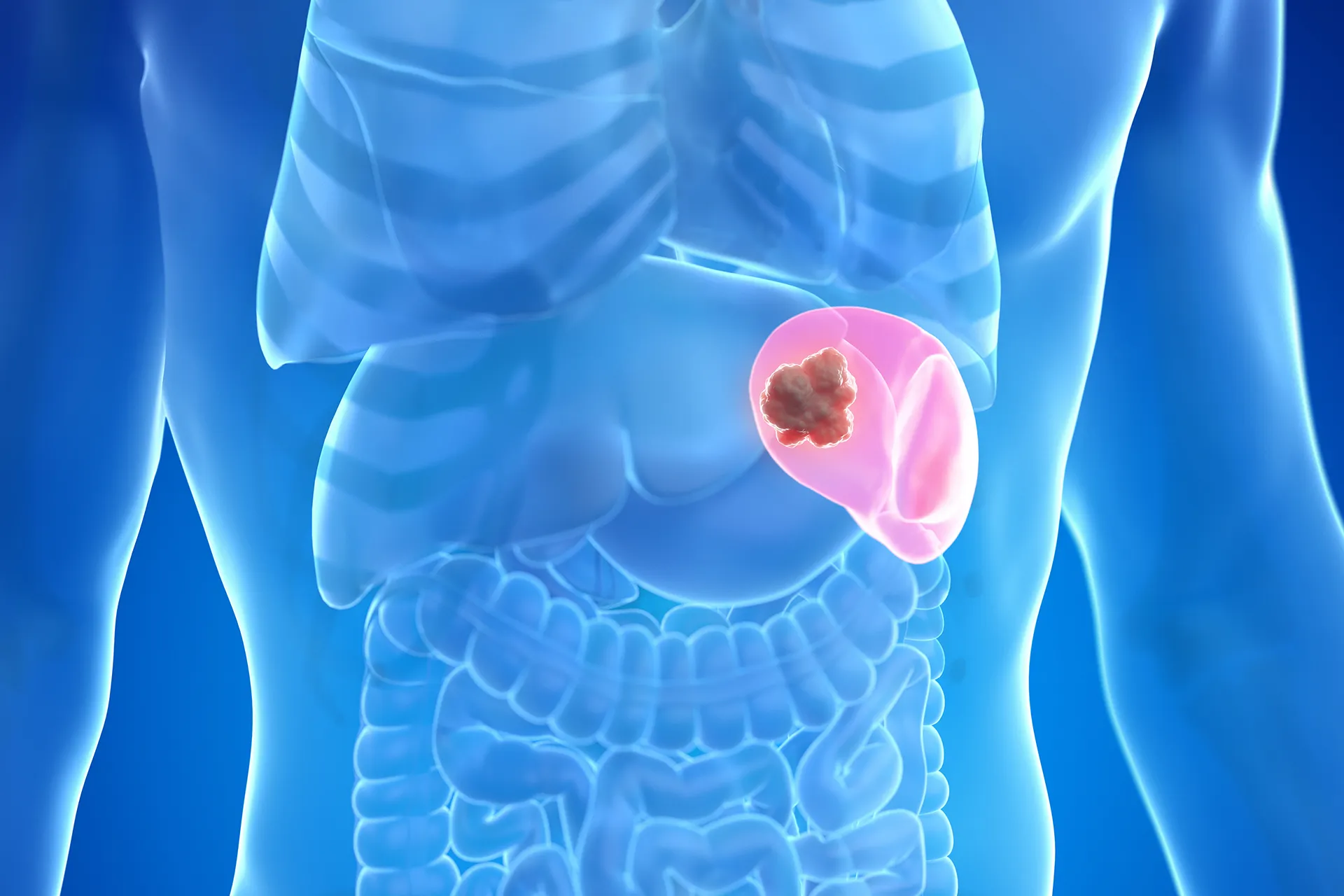
In the human body system, all eyes are usually directed towards the heart with its thundering pulse, or the brain with its complex thoughts, while in the left shadow of the abdomen lies a small organ, which many think is merely an “extra piece” that can be dispensed with at no cost, but behind this calm hides one of the body’s most precise and efficient organs; It’s the “spleen”.
The spleen is a small organ that weighs about 150 to 200 grams, and is approximately the size of a fist. It is a soft organ rich in blood vessels. It is located in the upper abdomen on the left side behind the stomach, and is partially protected by the ribs.
The spleen is connected to the circulatory system via the splenic artery and splenic vein, which puts it in direct and continuous contact with the blood passing through it. Its size varies from one person to another, and may change depending on age, health condition, and some diseases. In the normal state, the spleen is usually not palpable when examining the abdomen by hand.
Anatomically, its tissue consists mainly of two complementary regions, known as the white pulp and the red pulp, each of which has distinct functions:
- White pulp: It represents the immune part of the spleen, and contains lymphocytes, including B and T cells, which contribute to recognizing antigens, regulating the immune response, and producing antibodies.
- Red pulp: Participates in blood filtration, eliminating senescent or abnormal red blood cells, and removing certain pathogens and unwanted particles from the bloodstream.
These two parts do not work separately; Rather, they complement each other to play a role that combines monitoring blood components and immune defense.
Spleen: Precision in design and precision in function
- Blood strainer and recycling:
The spleen recognizes old or damaged red blood cells, traps them within a fine network of blood sinuses, and then phagocytic cells break them down and recover the iron from hemoglobin to reuse it in producing new cells. It is an amazing system that not only gets rid of the old, but also restores what can benefit the body again.
- The fortress of immunity: confronting protected germs
Some germs are characterized by a bacterial capsule that hinders their ingestion. It is an outer covering that protects some bacteria and helps them resist the body’s defenses. However, the spleen has specialized immune cells, especially B and pharyngeal cells, which help to recognize the bacterial capsule. The B cells produce antibodies that bind to the capsule, and make it easier for the pharyngeal cells to capture the germs and swallow them.
- Blood store: a reserve governed by need
The spleen contains a rich vascular network, and it can retain a large amount of blood. It also stores an important part of blood platelets that help stop bleeding.
When the spleen enlarges…what does the body tell us?
- Viral hepatitis: If it becomes chronic and causes cirrhosis, it may lead to high pressure in the blood vessels associated with the spleen and its enlargement.
- Bacterial infectionsThe endocardium is the membrane that lines the heart’s chambers and valves. Germs may travel through the blood, causing inflammation of this membrane and sometimes leading to an enlarged spleen.
- Infectious mononucleosis: A viral infection transmitted through saliva, usually caused by a virus called Epstein-Barr. Clinically, this infection is characterized by fever, sore throat, swollen lymph nodes, and severe fatigue, and may be accompanied by enlargement of the spleen and liver.
When infected with this infection, violent sports and physical contact should be avoided until the enlargement disappears, to avoid rupture of the spleen.
- Some autoimmune diseases: It occurs when the immune system mistakenly attacks the body’s tissues, as in lupus erythematosus and rheumatoid arthritis, and chronic inflammation or increased blood cell breakdown may lead to an enlarged spleen.
- Diseases of storage of substances inside cells: As in Gaucher disease, which is a rare hereditary disease that causes the accumulation of fats in cells, and their accumulation in spleen cells may lead to an increase in its size.
- Spleen congestion and circulatory disorders: It occurs when blood cannot drain from the spleen normally, as in the case of blockage of some veins or high portal pressure associated with liver disease, so blood collects inside the spleen and increases in size.
- Malignant tumors: Such as lymphoma (cancer of the lymph nodes), leukemia (blood cancer), and some tumors that directly affect the spleen or spread to it from other organs.
Can a person live without a spleen?
Yes, it is possible to live without a spleen, but with a high risk of contracting some serious infections, which requires recommended vaccinations and necessary medical prevention.
- Functional weakness of the spleen: It is when the spleen is present, but it does not perform its immune role efficiently, especially in purifying the blood from some germs and removing them. This may happen in some blood diseases, or celiac disease, which is an immune disease linked to gluten, or after repeated infarcts in the spleen, which is the damage and death of part of the tissue due to the interruption of its blood supply.
When is the spleen removed?
Some cases may require its removal, such as a rupture with serious bleeding, some blood diseases that do not respond to treatment, or some specific tumors and diseases. The decision is made according to the cause and its severity, with a preference for preserving the spleen whenever possible safely.

What does medicine recommend after resection?
- When fever or infection is suspected, urgent medical evaluation should be performed even if the symptoms appear minor; The infection may quickly develop into serious blood poisoning.
- Vaccines: Review the vaccination record to complete vaccinations, in addition to the influenza vaccine annually, according to age, vaccination history, and local recommendations. It is preferable to give the necessary vaccines about two weeks before elective resection, if possible.
- When traveling: advance medical consultation to assess risks of infection and malaria, complete travel vaccinations, and consider pharmacological prophylaxis when needed.
- Daily prevention: Carry a medical card indicating the absence or insufficiency of the spleen, inform doctors of this, and discuss the need for preventive antibiotics or reserve treatment with the treating physician.
The absence of a spleen does not mean living in fear, but in awareness; Vaccination, travel planning, and rapid response to fever turn a preventable risk into one that can be effectively reduced.
How do we maintain the health of the spleen?
- Follow a balanced and varied diet.
- Preventing infection and ensuring hygiene.
- Taking the recommended vaccines, especially when the spleen function is weak or has been removed.
- Avoid violent sports and blows to the abdomen, especially when the spleen is enlarged.
- Commitment to treating diseases that may affect the spleen, such as liver disease that causes portal hypertension, blood diseases such as sickle cell anemia and thalassemia, and infections such as malaria.
- See a doctor if you feel persistent pain in the upper abdomen on the left side.
- Consult a doctor before traveling to areas where diseases such as malaria are widespread, especially if the spleen function is weak or has been removed.
The spleen represents the most prominent example of the complexity and architecture of the lymphatic vascular system in the human body. By integrating the functions of blood purification and cellular immune response into a single tissue, this small organ demonstrates exceptional efficiency in regulating and integrating biological processes.