


The things we touch or put on our skin every day can affect our health by changing our skin microbiome and making us more or less susceptible to chronic diseases. The skin, like the intestines, is home to millions of bacteria, viruses, and fungi. These are tiny organisms called microbes, and they help our bodies function properly. Together, these organisms form the skin microbiome.
But what is the skin microbiome?
Imagine that your skin is home to millions of microorganisms, such as bacteria, fungi, and viruses. This diverse group of organisms is called the microbiome, and it plays a crucial role in keeping your skin healthy. It may seem strange that there are organisms living on our skin, but these organisms are not harmful, but rather beneficial. It forms a protective barrier that protects the skin from harmful bacteria, helps maintain skin moisture, and strengthens the skin’s immune system.
Exactly what a healthy skin microbiome looks like and how to maintain it is still under research. But some experts fear that decreased time people spend outdoors, coupled with overuse of harsh chemicals, antibiotics and even some beauty products, is wreaking havoc on our healthy skin microbiome.
Microbiome imbalance – a state in which the number of beneficial microbes is reduced or the number of harmful ones is increased – has been linked to chronic diseases. For example, psoriasis and eczema are associated with an imbalance in the skin microbiome. Growing scientific evidence suggests that the skin microbiome plays an important role in regulating our immune system and may be linked to chronic conditions that are not on the skin, such as asthma, tooth decay, inflammatory bowel disease, and certain types of arthritis.
How does the skin affect the immune system?
Microbes help maintain the barrier formed by the skin. Some skin microbes produce antibacterial or anti-inflammatory substances.
Julie Segre, a geneticist at the National Human Genome Research Institute in the United States, who studies the skin microbiome, said in an interview with The Washington Post published on November 12, that it also plays an important role in training the body’s immune system and preventing chronic inflammation.
The skin contains approximately 3 to 4% of the body’s immune cells. Exposure to diverse, natural skin microbes teaches the immune system to be patient with the presence of beneficial or harmless bacteria, fungi, and viruses. “Without this tolerance, the immune system can become over-responsive, increasing the risk of developing allergies or autoimmune conditions, where the immune system begins to attack the body,” Segre said.
Contact with nature benefits the skin
A growing body of research suggests that more contact with animals, plants, and other parts of the natural world can help improve the diversity of the skin microbiome.
This could also explain why some people are less susceptible to allergies, said Aki Sinkkonen, lead scientist at the Natural Resources Institute of Finland, a Finnish research institute.
Sinkkonen has worked on several studies on the effects of environmental exposure on the skin microbiome, including a 2020 study in which researchers placed herbal and forest materials onto the floor of childcare centers and studied the effect on children’s skin and gut microbiome. After 28 days, they found that the children who went to the centers where these natural substances were placed not only had a more diverse skin microbiome, but they also had fewer inflammatory substances in their blood and more regulatory immune cells.
Harsh chemicals, antibiotics, and beauty products can damage the skin
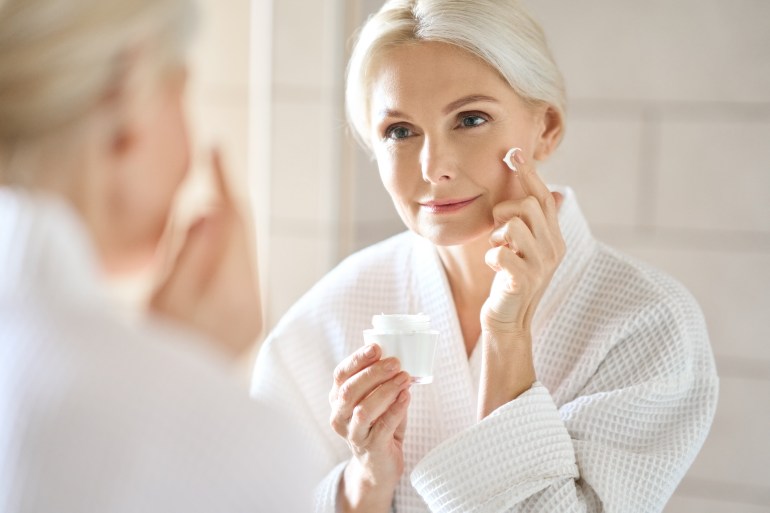
Protecting the skin from damage is also crucial to creating an environment conducive to good microbes. But some researchers fear that many products and cleansers may harm our skin.
Drying the skin too much with chemicals can damage it, allowing disease-causing organisms to pass through the skin barrier and penetrate deep into our tissues, said Sesme Akdis, director of the Swiss Institute for Allergy and Asthma Research and a professor at the University of Zurich in Davos, Switzerland.
The body then responds with inflammation, which can become more systemic over time, Akdis said. Skin inflammation or diseases have been associated with problems such as arthritis, asthma or allergies. Akdis added that in addition to drying out the skin, the chemicals in many detergents or antibiotics cause many of the good microbes on the skin to die.

To better protect the good microbes in the skin, switch to products that contain fewer harsh chemicals like surfactants (a cleaning substance that can break down the cell membrane and kill microbes), Akdis said. In particular, he suggested trying to avoid a surfactant called sodium lauryl sulfate, a known skin irritant found in many cleaning products.
The acidity of various beauty products and soaps can also affect the skin microbiome. The skin tends to be slightly acidic. This acidity works to defend the skin against harmful diseases and helps the skin retain beneficial microbes. said Kate Whalen Russell, co-founder of the Skin Microbiome School, an Indiana-based company that engages in education and research on the skin microbiome.
However, he said that some products such as some cosmetics, shampoos, sunscreen or soaps can have a pH value that is higher or lower than the skin’s natural pH. “Skin is very sensitive and if you change “These biochemical conditions can really reduce biodiversity and cause things like skin irritation, skin barrier defects, and dry skin.”