

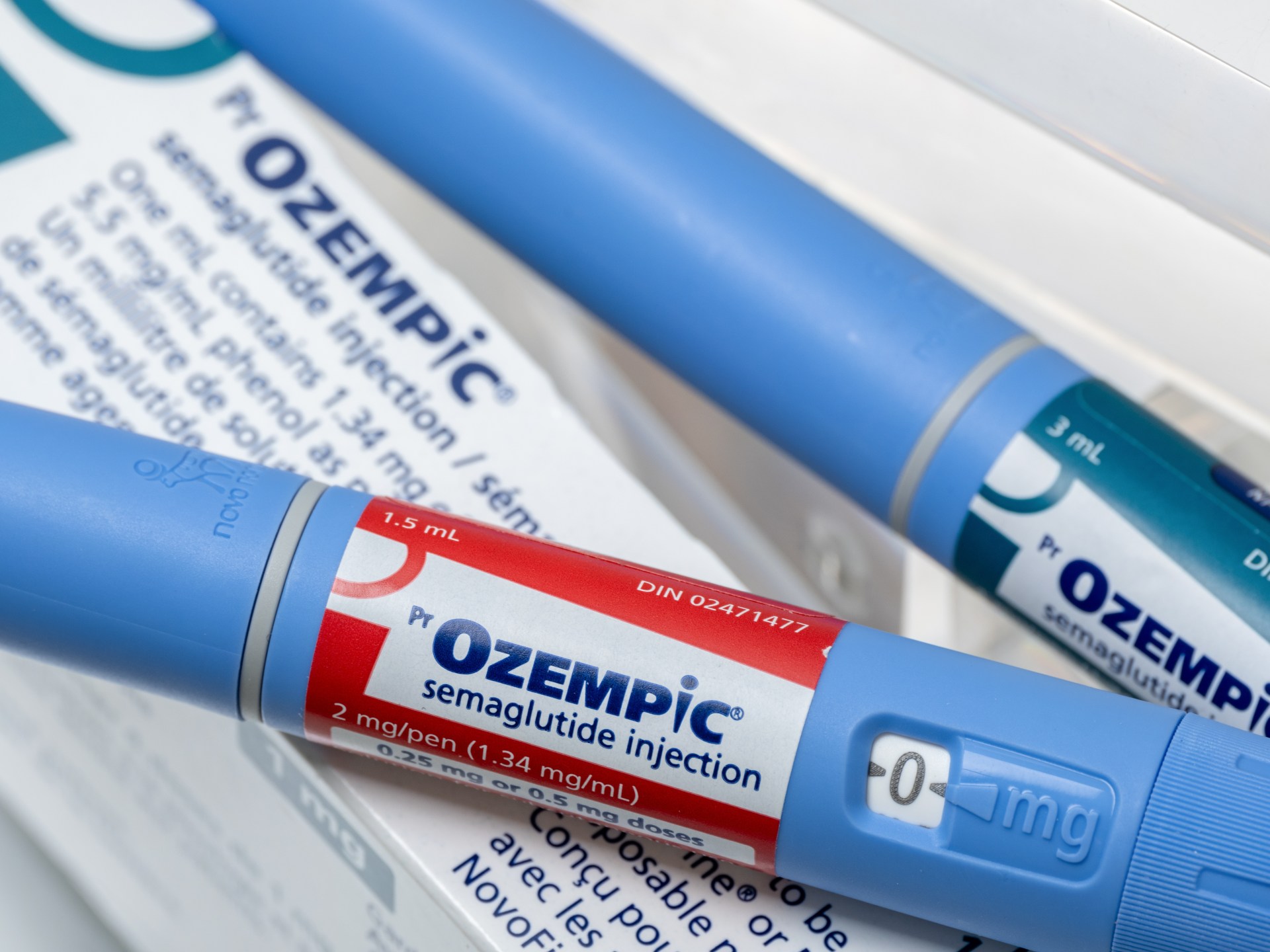
A new study, conducted by researchers from Ohio State University, revealed that people who are currently taking popular weight loss medications from the GLP-1 agonists family, such as Ozambik, have become more likely to waste food than they were before. Before you start taking these medications.
Scientists at Ohio State University see this study of consumer behavior as a preliminary effort to look at the effects of these increasingly popular anti-obesity drugs on food production and waste on a national and global level.
“This was a pilot study to start looking at the implications of these drugs and get to understand which broad categories of foods are more favored,” said lead researcher Dr. Brian Rowe, a professor of agriculture, environmental and development economics at Ohio State University, according to EurekAlert.com. Start medication.
Food waste and medication adjustment
25% of the participants in the study – the results of which were published in the journal Nutrients on September 27 – agreed that they had wasted larger amounts of food since they started taking these medications, while 61% of the participants did not agree with this. People who became nauseous due to medications were more likely to report increased food waste. Taking medications for a longer period and eating more vegetables were associated with consuming less food.
Dr. Rowe points out that food waste decreases as patients adapt to the medication, which means that there may be a fairly simple treatment for this problem, which is to advise patients who will be taking these medications at the beginning of the treatment period about the possibility of eliminating food as their diet changes. Which may reduce food waste and reduce their spending.
Opinion poll
Since this spring, 6% of US adults have reported taking GLP-1 agonists, which treat type 2 diabetes and obesity by acting on a hormone in the small intestine to lower blood sugar, slow stomach emptying and send a signal Fullness to the brain.
Nearly 70% of study participants were taking semaglutide under its brand name Ozempic or other brand names, and nearly a quarter were taking tirezpatide, known commercially as Mongaro.
The researchers surveyed 505 U.S. adults who were currently taking anti-obesity medications through an online questionnaire that focused on sociodemographic factors and questions about changes in eating habits, weight, and food waste since starting the medications.
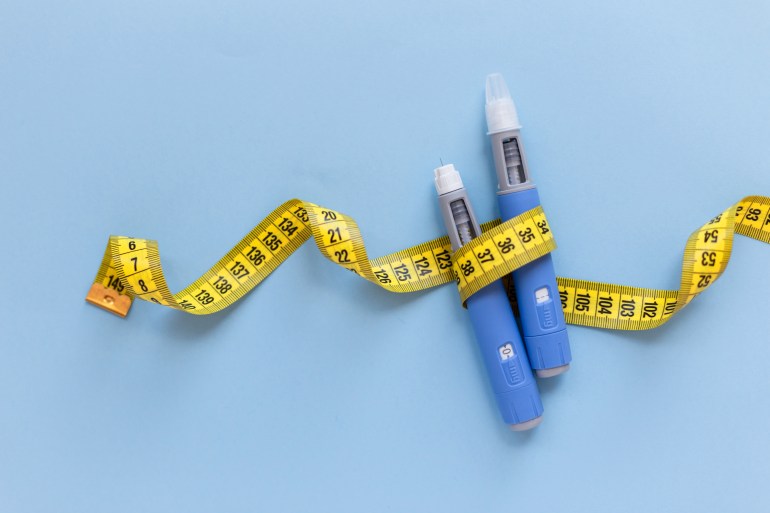
On average, the group lost 20% of their body weight if they had been taking the medications for at least a year. A quarter of participants who took medication for a year or more were less likely to report food waste than people who took medication for 90 days or less, about 30% of participants.
Nausea was the main driver of food waste, but the results indicated another reason that could increase food waste, which is the change that may occur in preferences and habits, which prompted people to get rid of foods that they no longer prefer. Overall, participants reported adding protein, fish and healthy fats to their diets and consuming less pasta and other carbohydrates, fried foods, sweets and dairy products.
Adding vegetables to the diet was associated with a lower likelihood of food waste, another sign of changing habits that, in this case, included eating more vegetable-rich meals.