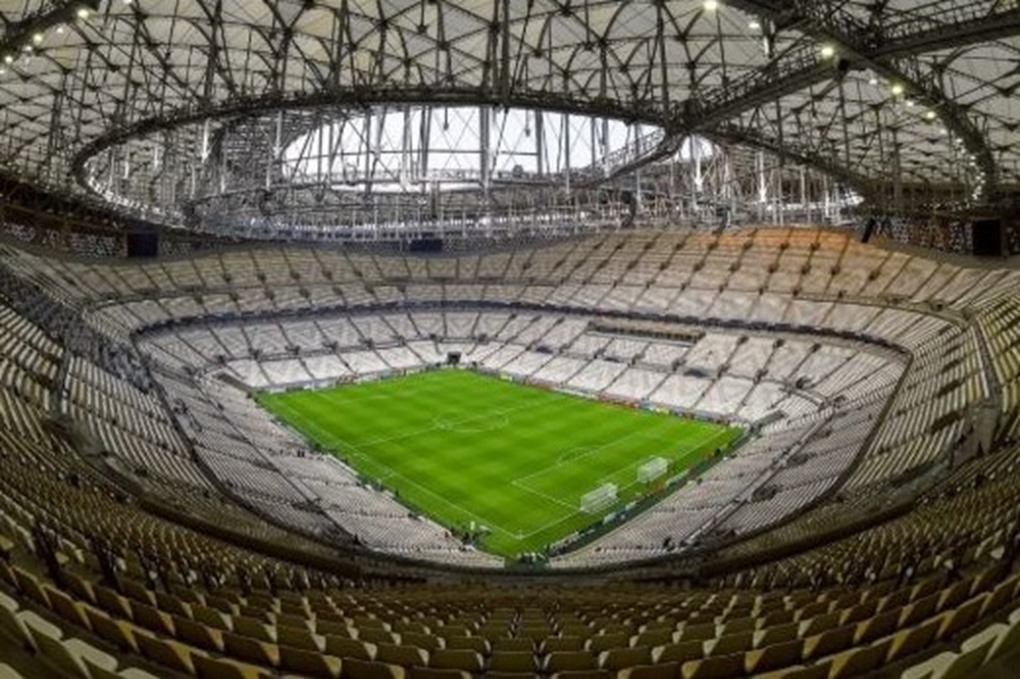
The International Football Association / FIFA / FIFA / a new version of the guide for football fields, during which it highlighted the best standards used in the design of stadiums and relevant innovative curricula, which can be worked in in the development of football fields anywhere in the world and at all levels of the game, regardless of the size of the field, its area, location, shape, type and degree of foot.
FIFA said in a statement that these guidelines of each stadium concerned are considered as a unique project in which local cultural factors, the nature of its use and the available resources should be taken into account, stressing at the same time that it is not appropriate to adopt a unified approach that applies to everyone.
The statement added: “Whether at the environmental level, the social mother or economic, the sustainability is one of the most prominent aspects of this guide, which stresses the need to design and build stadiums in a way that meets the continuous needs of local communities, instead of being satisfied with focusing on an accidental event that is held once.”
FIFA has shown that the application of these guidelines would contribute to achieving the sustainable development goals launched by the United Nations, with the inclusion of a set of measures to mitigate climate change, in addition to a case study on waste management by adopting one of the FIFA World Cup stadiums / 2026 models.
FIFA said that the additional separation related to the training sites, in this version of the guide, stresses the need to pay attention to the infrastructure available to the teams and players in the context of the daily preparations for the matches, knowing that FIFA /confirms his commitment to developing football on a wider global scale by spreading the guide in two additional languages - French and Spanish – after it was limited to the English language.
The guide for football stadiums includes a set of guidelines allocated for: continental federations and member federations of /FIFA, club organizations, actors in new projects related to stadiums and training sites, such as municipal authorities, owners and architects, the authorities who owe the existing stadiums and training sites and the authorities concerned with managing relevant operations, authorities, authorities In issuing licenses and main suppliers in the field of building and reforming stadiums.
The last version of the recommendations and conditions of / FIFA / artistic stadiums were published in 2011, where the large stadiums designated for major events were then focused on the next version that was published in 2022, the guidelines of the stadiums of various sizes included.