

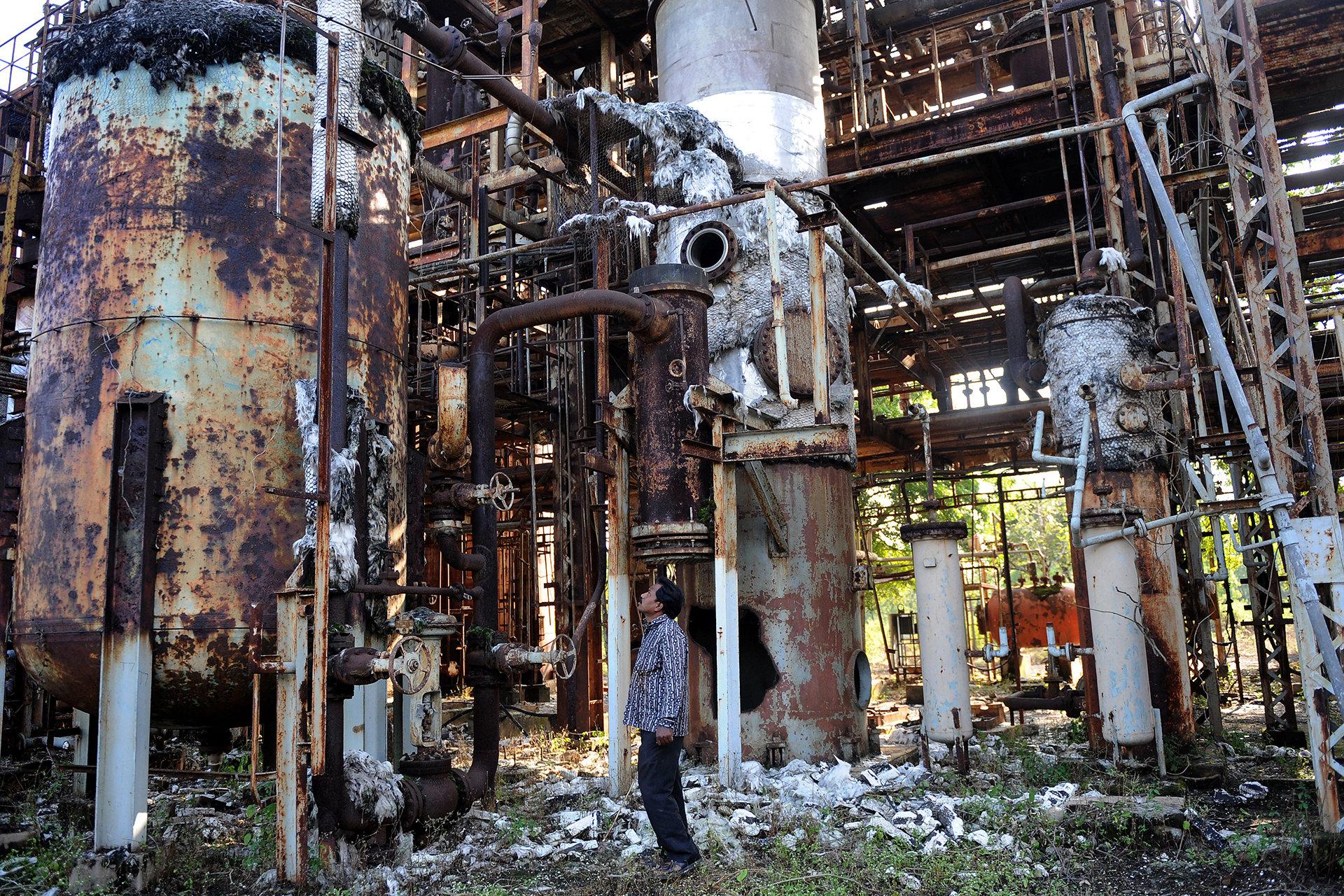
On the night of December 1984, a factory for chemicals exploded in the Indian city of Bubal, to leak in the air of the sleeper city 45 tons of “Methyl ISOCYANATE”, and leads to the lives of 7,000 people during the first 24 hours of the accident, and about 20 thousand over the past years.
The catastrophe of the city of Boubal – the center of Maadi Pradesh, has become one of the worst industrial and environmental disasters throughout history. The incident led to the pollution of the Indian city permanently, and the effects of the environmental disaster and its complications remain ravaged by 2.5 million people from the city’s residents.
Over the years and subsequent decades of the accident, hundreds of thousands of people were injured, and 20,000 of them died due to cancer and its complications, and Professor Nick Deeb of the University of California Polytechnic of the French Lacrowa magazine says that the Bubal disaster is the beginning of a slow and continuous tragedy in time and space.
According to a report published by the Scientific magazine of Lancet, “a group of symptoms” that are due to the disaster still affects more than 150,000 people today are exposed to the substance of methyl -which is 500 times more toxic than hydrogen cyanide and other toxic products -such as respiratory diseases, digestive diseases, neurological diseases, and eye diseases.
The “Shangari Trust” clinic received a few kilometers from the old factory 150 children in 2024, and hundreds of children since its opening in 2006, most of whom suffer from congenital distortions, mental problems, delayed growth, cerebral palsy, hearing, speech, and other disabilities, caused by the consequences of inhaling their parents for metallic metallic and groundwater pollution.
“We do not know when the terror will end. The children who were in the womb at the time of the disaster were born sick,” Indian activist Rashna Dengra – who leads the struggle to demand justice to the victims. According to Dingra, between 4 thousand and 12 thousand tons of toxic substances are still present in the soil and groundwater of the city, where a radius remains approximately 5 kilometers around the factory polluted, in which there are poor neighborhoods whose residents drink that water.
Groundwater tests near the site in the past revealed the presence of chemicals that cause cancer and birth defects 50 times higher than the acceptable level as safe by the American Environmental Protection Agency.
Negligence
The Popal disaster was the result of a mixture of poor maintenance and weak safety protocols and the neglect of companies. All of this caused water leakage to the methane ion tank in the factory and a chemical reaction that led to the firing of deadly gas.
At the time of leakage, many safety systems, including gas purification devices, burners towers, and cooling systems were either idle or not completely operating, a sign of grave neglect by the factory management.
The workers who were supposed to receive the necessary training to deal with such emergency cases were not adequate, nor were the emergency response protocols or appropriate, according to subsequent reports.
Reports indicated that the response of the Indian government was not sufficient, and its reaction was slow and irregular, which increased the complexity of efforts to provide medical care and evacuate the affected population, and the delay in providing medical aid left hundreds of injured and victims without treatment in the early hours of the deadly accident.
The charge file had revealed clear defects in the factory design and systematic neglect in maintenance operations that the company’s management was aware of, but it ignored it for commercial reasons. The Lacroix magazine indicated that no assessment of the social and economic cost of the catastrophe has been conducted.
There were many warning signs long before the disaster, such as pollution inside the factory, the death of workers, etc. Even one of the journalists has published what he reached about the factory, entitled “Wake up, people of Bubal, you are on the edge of a volcano.”
Although the American company “Union Carbide” was accused of the owner of the factory, which was renamed “Dow Chemical”, and its industrial neglect was proven, but the case suffered from delaying the dates and not resorting to the trial, and refused to recognize the Indian courts.
In 1989, the American multinational company negotiated a friendly settlement with the Indian government to pay only 14% of the amount of compensation demanded, and until last year (2024) provided at once at a value of 450 million euros (487 million dollars).
“93% of the victims received less than 300 euros in total, which is a very small amount compared to the number of lives that were exhausted,” said Satinath Sarangi, a major activist in Bubal with a clinic for victims of violence, noting that “none of the executives at Dow Kimikal have been convicted, and the United States government has continued to continue their delivery.”
Chronic disaster
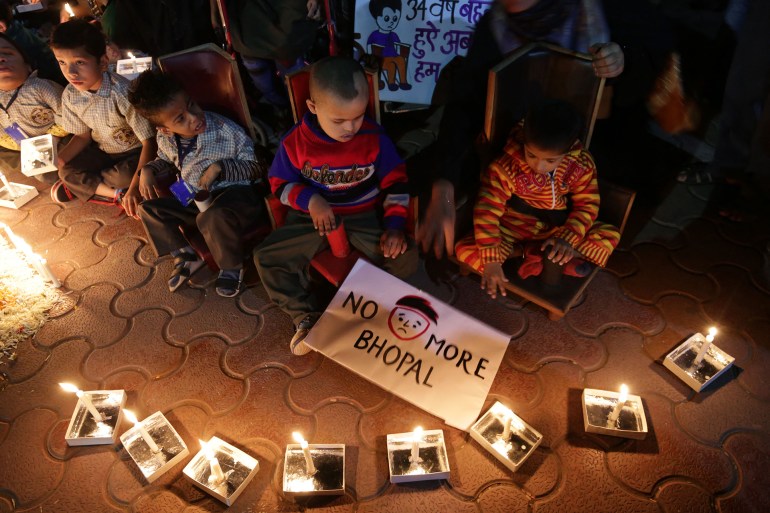
This impunity -according to the French newspaper Liberation -continues with the implicit collusion by the Indian government, which still hinders the procedures aimed at recognizing the victims, as it has adopted in recent years, restricting measures that make the international campaign measures for justice in Bubal and clinics more difficult than ever.
Despite the danger of the disaster, the polluted site of the old factory has not been cleaned at all, and it continues to poison the local population by leaking to the groundwater, and the Indian state or the multinational company does not want responsibility for that, says Rashna Dengra.
The Boyel tragedy constitutes a flagrant reminder of the devastating consequences of industrial neglect by countries or companies and lack of respect for environmental standards, and emphasizes the need for strong organizational frameworks and a strong preparation for industrial and environmental emergency situations and ensuring commitment to justice for disaster affected. Health and environmental destruction are still continuing, while the victims continue their efforts to make justice.
It is noteworthy that the tragedy of the city of Boyl was the focus of the movie “Boopal: A Prayer for Rain”, which is a very darker, shy and scandalous film for the role of the major companies that make their way to achieving the spoils, leaving environmental disasters that lead to the lives of thousands of people in the countries of the third world. However, the film highlights part of that tragedy, and how it is dealt with underestimating the lives of citizens and their destinies in that crowded Indian city.