

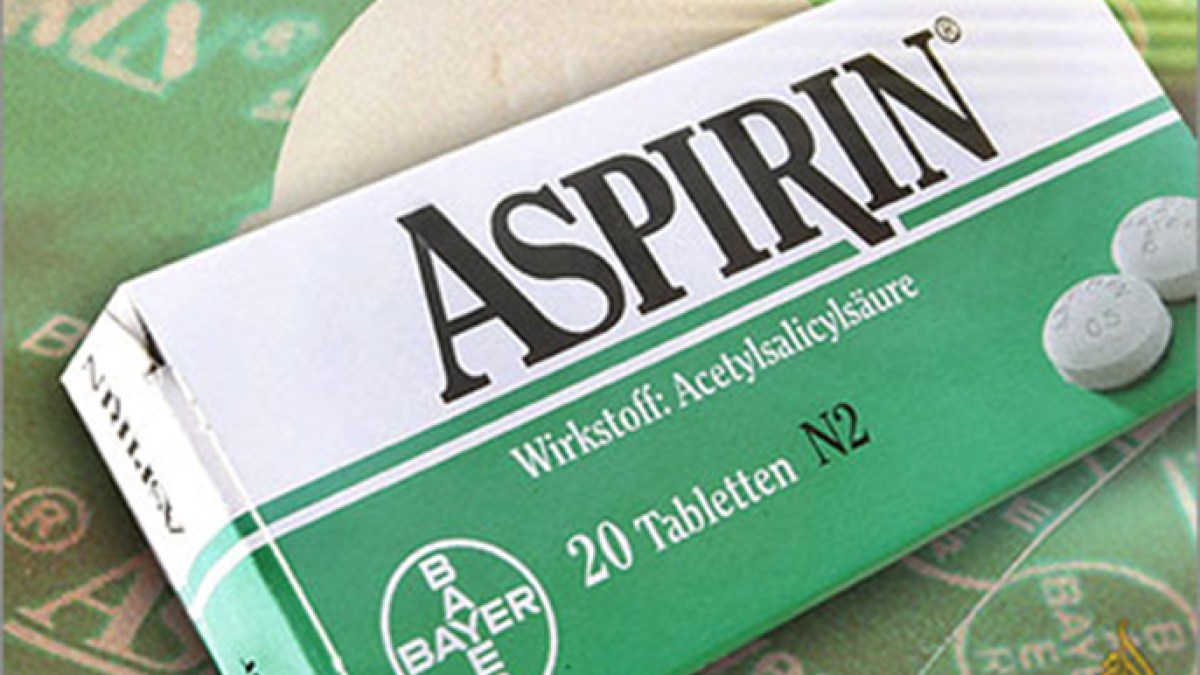
A recent study found that aspirin enhances the immune response against cancer metal, that is, the spread of cancer cells from the location of the original tumor to other places in the body.
The study was conducted by scientists from Cambridge University in the United Kingdom, and published in Nature.
Aspirin is a widespread cheap pain reliever.
The study found that aspirin in mice affects the platelets – which are small cells that cause blood clotting – which causes them less than the thromboxan clot worker “TXA2”, which inhibits the immune Ti -cells. With the decrease in inhibition of “TXA 2”, these T -cells can destroy any widespread cancerous cells.
“This study provides a correct hypothesis on how to prevent cancer and spread it with easy -to -use intervention for patients. The main part of this article is that aspirin prevents the spread of cancer by reducing” T “levels XA2 ″ and release of T -cells from the state of discharge.
The treatment of cancer in its early stages witnessed enormous developments, but there is still a risk of cancer to return elsewhere if the cancer cells move from the original tumor site.
Inside the exact environment of the original tumor, the immune system is pent -up, and thus its ability to kill cancer cells is less. However, once these individual cancer cells migrate, the immune system can target them.
“When cancer spreads for the first time, a unique treatment opportunity is available when cancer cells are particularly vulnerable to immunosuppressive attack. We hope that treatments that target this opportunity have a wide range of domain to prevent the repetition of the disease in cancer patients in its early stages at risk of repeating it,” said Dr. Rahul Ruceudrie.
Researchers have previously discovered 15 gina in mice that have an effect on cancer metal. They found that the mice that lack a gene that produces a protein called “ARGEF1” (ARHGEF1), was suffering from less metastas in some of the primary types of cancer in the lungs and liver. Hence, they concluded that ARHGA1 inhibits the T cells that kill metola cells.
Activating the gene
Then they discovered that this gene was doing when the cells are exposed to the “TXA2” clotting.
Aspirin inhibits the production of “TXA2” by platelets, which is why people sometimes eat it in low doses to reduce the risk of blood clots, heart attacks and strokes.
In the current study, which was conducted on an archilation of melanoma, an aggressive form of skin cancer, the researchers found that the mice that received aspirin had lessons less than the mice that did not receive aspirin. Aspirin release their T -cells from the “TXA 2” inhibition, which enabled them to kill cancer cells.
“It was an amazing moment of discovery when we discovered that” TXA2 “is the molecular signal that does this captivating effect on T -cells,” researcher Ji Yang, one of the study participants from Cambridge University, said in a press statement.
“Before that, we were not aware of the influence of our results in understanding the antibiotic activity of aspirin. It was a completely unexpected result, which prompted us to a completely different research path from what we expected.”
Do the results of aspirin and cancer apply to humans?
Yang emphasized the capabilities of the research team’s results, noting that “aspirin or other drugs that may target this path, has the ability to be less expensive than antibody treatments, and therefore easier to obtain them globally.”
However, researchers warn that aspirin may cause side effects, and may not be suitable for everyone. Usually, aspirin can cause irritation in the stomach or intestine, nausea and indigestion.
Other side effects include less common, asthma symptoms, vomiting, gastritis, bleeding and bruises. In rare cases, especially among those who take a daily dose, it may cause bleeding in the brain, kidney failure, or bleeding stroke.
“I don’t think we can say that cancer patients should take aspirin, at least not at the present time.”
Aspirin is easily available, and has relatively low side effects. This mice study indicates the need to conduct a deeper evaluation of the role of aspirin in humans in humans.
It is noteworthy that the previous clinical studies that tested aspirin are a tool in combating cancer metal in human patients were conflicting and inconclusive often, so that there are some reports that concluded that aspirin may cause more harm than benefit.
Mice models do not embody the complete complexity of metastatic disease. In addition, in this study, mice models used mainly focus on the melanoma cells that spread to the lungs. Therefore, the study does not take into account different types of cancer and spread to other organs.
Immune responses
“As a biologist specialized in cancer, the most interesting result for me is that aspirin can maintain the immune responses of T -cells in an animal model,” added Royith.
“What we need now is new tight experiences that focus on finding vital indicators of the patient’s immune response. In this way, we will discover the types of cancer and the most likely patients to benefit from aspirin,” he said.
“It is also important to take into account that aspirin may be unsafe for some patients. It can cause stomach lining rupture and increase the risk of bleeding in the intestine. The study does not take into account these side effects.”
“We have known for a while that the positive effect of aspirin in preventing deaths caused by some types of cancer is much greater than its effect on preventing the development of these cancers,” Professor Mangish Revolutions, Consultant of Breast Surgery at the Hommeron University Hospital in London, told the Science Media Center.
He added, “This can only happen if the aspirin is prevented or the metal of these cancer is canceled. Although it is believed that the role of anti -platelet aspirin is what happens, the exact mechanism has remained far -fetched. This distinctive study of mice sheds light on how to reflect the effect of anti -platelet aspirin to inhibit some immune cells, which in turn prevents the development of metastases.”
If you are sick with cancer, do not rush to buy aspirin from the local pharmacy now, but rather consult your doctor about whether aspirin might help you.