

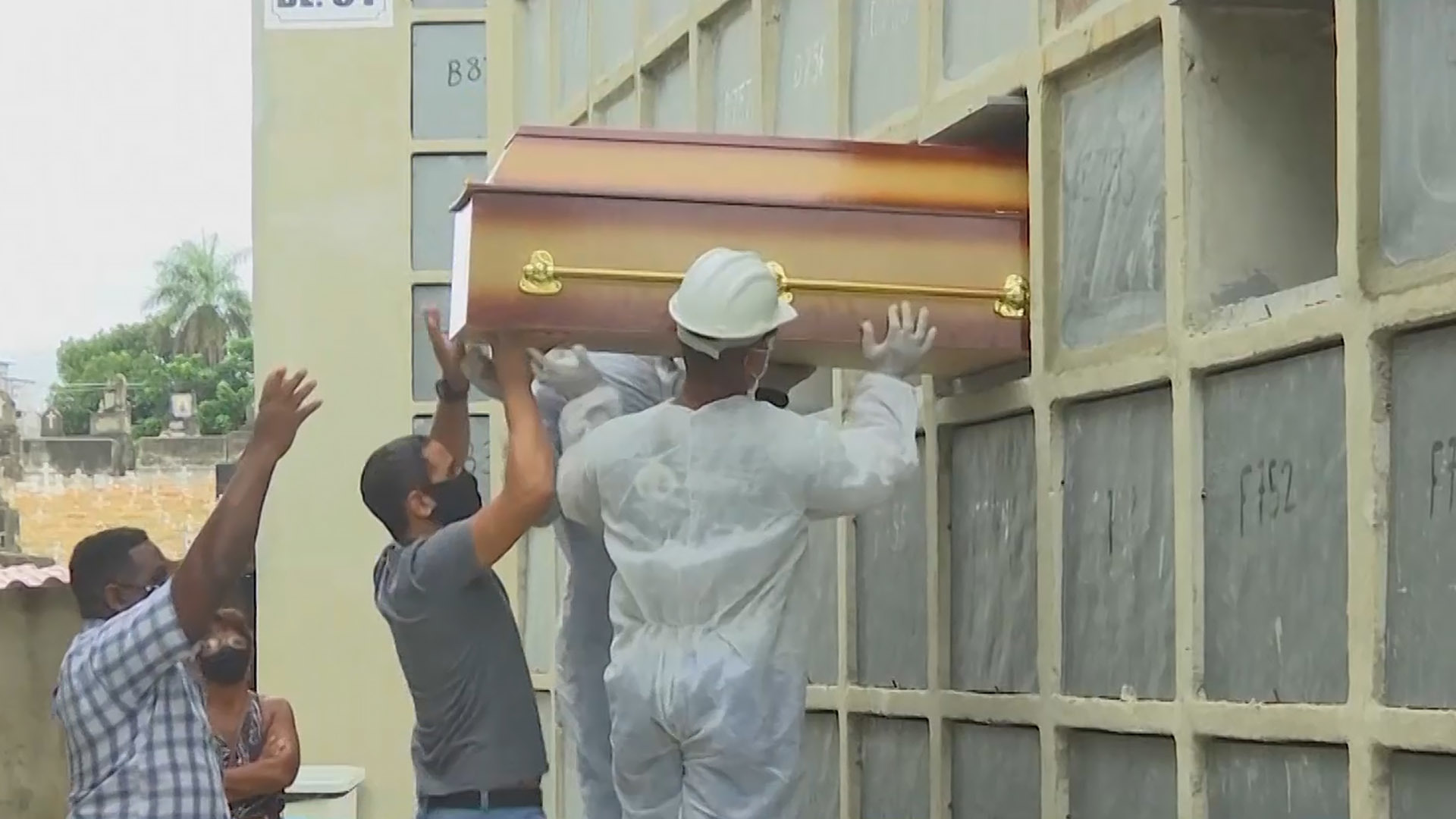
The World Health Organization member states will soon conclude more than 3 years of negotiations on new rules for preparing and responding to epidemics that may occur in the future, when the talks are resumed in Geneva, after the Kofid-19 was killed in the life of millions between 2020 and 2022.
Below are major details about the new agreement:
Why is a new treaty to be discussed on the response to epidemics?
While the World Health Organization has already has binding rules on the obligations of countries when public health events may exceed national borders, these rules are not sufficient to face a global pandemic.
A large part of the motivation comes behind a new treaty of the desire to address the shortcomings that marred the current system in the Kofid era, such as inequality in distributing vaccines between rich and low -income countries and ensuring exchanging information and cooperation faster and more transparent.
One of the main items in the treaty, Article 12, provides for the allocation of about 20% of tests, treatments and vaccines for the World Health Organization to be distributed to the poorest countries in emergency situations.
What is the position of countries on the agreement?
The differences between the rich and poor countries hindered negotiations. In addition to sharing medicines and vaccines, financing is a major point of disagreement, including the creation of a dedicated fund or a way to benefit from available resources, such as the World Bank Fund for the Prevention of Epidemiology at a value of one billion dollars.
The concerns of some critics of the complexity of the negotiations caused, as they indicated that the agreement may undermine national sovereignty by granting it wide powers to a United Nations agency.
Tidros Adhanum Guiprasos, General Manager of the World Health Organization, denies these statements, and says that the agreement will help countries protect themselves from better epidemics.
The United States withdrew from discussions this year after President Donald Trump issued an executive order in February to withdraw from the World Health Organization and prevent participation in the talks.
What next?
In the event that the member states agree to the text of the agreement, it will be presented to the World Health Society in May. The members of the World Health Organization who have participated in the discussions will have the freedom to believe the agreement or not after its official approval, which may take years.
The agreement, upon its completion, will represent a historical victory for the organization. The World Health Organization member states did not agree only once in its 75 -year -old history, which is the tobacco control agreement in 2003.