

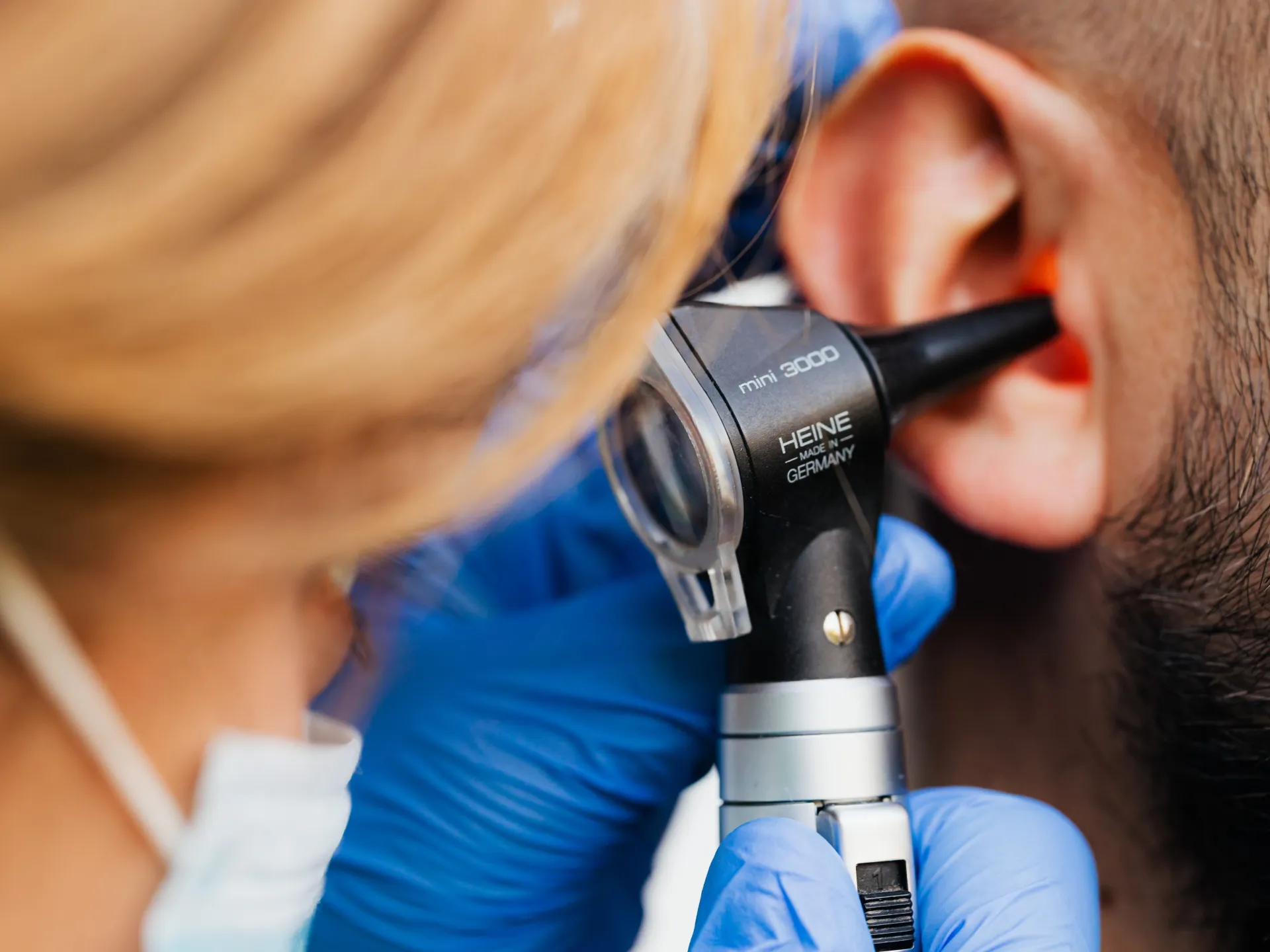
A scientific review published in the International Journal of Molecular Sciences confirmed that earwax plays important protective roles inside the ear canal, as it helps protect it from microbes, maintains the moisture balance in it, and provides an internal environment that contributes to preventing the growth of bacteria and fungi.
The review, which was published last January, was based on an analysis of scientific studies published in the last 15 years, collected from research databases such as PubMed, Web of Science, and Scopus.
The scientific review explains that earwax – or what is medically known as “cerumen” – consists of natural secretions and skin cell remains, and works in an intelligent way similar to a continuous self-cleaning system. As the jaw moves while speaking or chewing, and as the skin grows inside the ear canal, the old wax gradually moves out, carrying with it dust, small particles, and the microbes attached to it.
Therefore, in most cases the ear does not need frequent internal cleaning. The presence of a normal amount of wax is a sign that the ear is performing one of its natural functions. It forms a protective layer that helps prevent dirt, water and microbes from reaching deep into the ear canal.
Ear, Nose and Throat Consultant Dr. Musa Zayed said that the outer third of the ear also contains glands that secrete wax, so it has a special device for automatic cleaning without external assistance. He added to Al Jazeera Net that most people do not need more than wiping during ablution.
In turn, the associate specialist in ear, nose and throat, Dr. Aladdin Omar Ali Ghazi, explained in an interview with Al Jazeera Net that the fine hairs inside the ear canal move involuntarily outward, gradually pushing the old wax into the ear opening, where it dries and falls out of the ear naturally, warning that traditional methods of cleaning may cause the loss of these hairs.
The scientific review indicates that earwax contains natural components with antimicrobial properties, especially bacteria and fungi, and that some of its components may contribute to reducing the activity of some viruses.
The wax also helps maintain a proper pH within the ear canal, which prevents the growth of harmful microorganisms.
There are two main types of earwax: dry, brittle wax that tends to be yellow or gray in color and appears mostly in people of Asian descent and the indigenous people of the Americas, and moist, sticky and slippery wax, which is more common in people of African and European descent.
The review indicates that those with dry wax may be less susceptible to ear infections compared to those with wet wax.
Incorrect wax removal practices
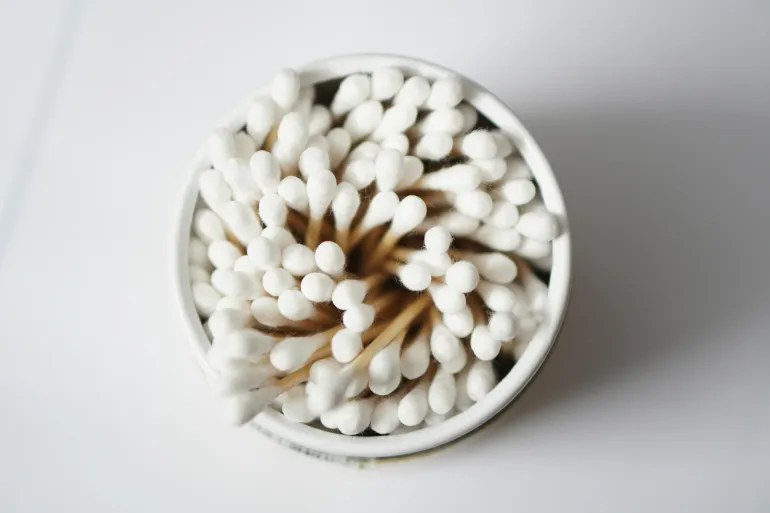
The problem begins when excessive attention to cleanliness turns into wrong intervention. Inserting cotton swabs or household items into the ear can push the wax inside, where it accumulates and causes a blockage. It can also lead to scratches or irritation in the delicate skin lining the ear canal, which increases the possibility of infections.
The review suggests that otitis externa may be linked to factors such as excess moisture and incorrect ear cleaning methods. This inflammation may appear in the form of pain, itching, swelling, or discharge.
Also, using hearing aids for long periods may affect the natural balance of microorganisms within the ear canal, which may increase some people’s susceptibility to infection.
When does excess wax need medical intervention?
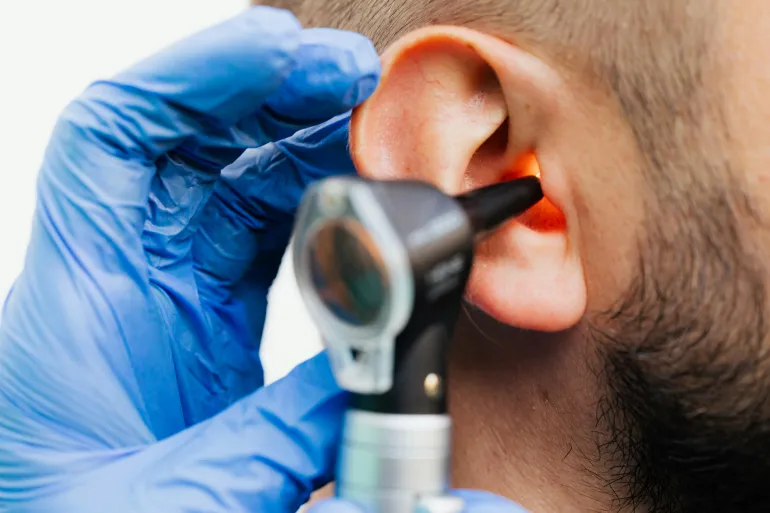
The above does not mean ignoring the accumulation of excess earwax, as its increase may cause tinnitus, poor hearing, or a feeling of blockage in the ear, and may sometimes help cause inflammation. On the other hand, removing it violently or repeatedly may deprive the ear of part of its natural protection.
Therefore, the review confirms that the correct handling of earwax is based on balance. The basic principle in a healthy ear is that it gets rid of the wax naturally, and does not require intervention unless the wax causes symptoms or prevents the doctor from examining the ear clearly.
Some people may need special follow-up, such as the elderly, hearing aid users, and those with excessive wax secretion.
Warnings against using traditional methods
Specialists stressed that wax removal must be done in a safe manner, by a health care provider, using appropriate methods, and only when it needs to be removed, warning against using traditional methods.
Dr. Alaa El-Din Omar stressed the need for medical consultation to measure the extent of the patient’s need to remove earwax, warning against cleaning the depth of the ear at home, especially with cotton swabs or sharp tools, as it may turn a simple daily habit into a cause of blockage or infection.
Dr. Musa Zayed agrees with him, adding that using the ends of tissue paper is harmful. It may push the wax inside and cause it to accumulate, and it may cause infections in the external ear canal, in addition to changing the pH factor, which preserves the ear canal from bacteria and fungi.
Dr. Musa Zayed pointed out that the ear does not need to be applied with olive or other oil except before cleaning and after consulting a doctor, while Dr. Aladdin Omar explains that some of the largest companies producing medicines and medical instruments use olive oil in the production of some ear cleaning preparations, but he agrees with Dr. Zayed and stresses the necessity of consulting a doctor before using a medical preparation or natural olive oil.
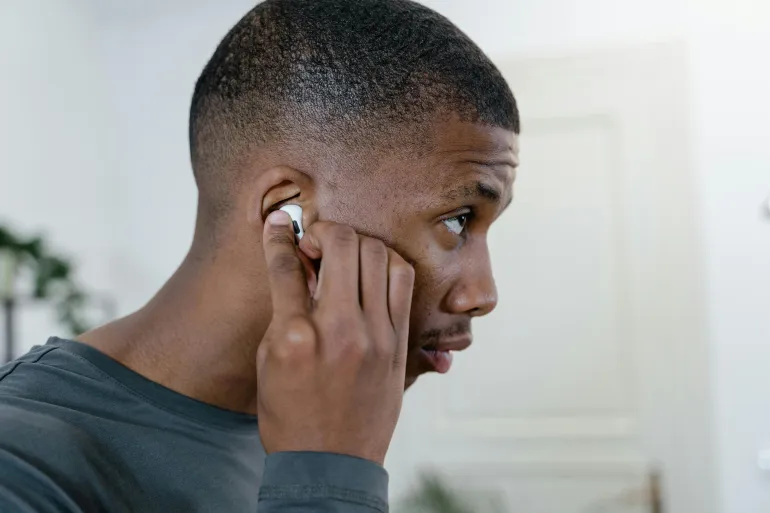
Dr. Zayed pointed out that bad habits that also cause blockages include placing headphones unnecessarily for long periods in the ear. Which leads to friction and skin infections, and prevents the waxy substance from coming out and pushes it inside, stressing that the waxy substance is important for the health of the ear, and the ear gets rid of it automatically and is constantly replaced by something else.
Dr. Alaa added that medical centers adopt appropriate methods, such as softening the wax, washing it medically, or removing it with specialized tools and devices.
He stressed that earwax is not an enemy that must be constantly eliminated, but rather it is part of the body’s natural protection system. What requires medical intervention is not the presence of the wax itself, but rather its accumulation and its transformation into a cause of damage or blockage.
Risks of traditional earwax removal
- Perforated eardrum and partial hearing loss.
- Increased risk of external or middle ear infections.
- Pushing the wax inward and blocking the ear canal.
- Hearing impairment due to wax buildup.
- Scratching or bleeding of the delicate skin inside the ear canal.
- Disturbing the natural balance of beneficial bacteria inside the ear.
- Weakening the natural protective barrier against water, dirt and microbes.
- Dizziness and balance disturbance in some cases.
- Tinnitus or a feeling of pressure inside the ear.
- Damage to the cilia and protective hairs inside the auditory canal.
- Dry ears and chronic itching.
- Skin irritation and recurrent infections due to excessive cleaning.
According to the American Academy of Otolaryngology, Head and Neck Medicine, the natural benefits of earwax are summarized in the following points:
- Protecting the ear from bacteria, viruses and fungi.
- Prevent dust, dirt and insects from entering the ear canal.
- Moisturizes the ear canal and prevents dryness and cracks.
- Cleaning the ear naturally by pushing the impurities out.
- Maintaining the natural balance of beneficial microbes inside the ear.
- Reducing the risk of external ear infections.
- Protecting the sensitive skin inside the auditory canal from friction and irritation.
- Help protect the ear from water and humidity.
- Reduce itching and irritation inside the ear.
- Maintaining a natural acidic environment that limits the growth of germs.