

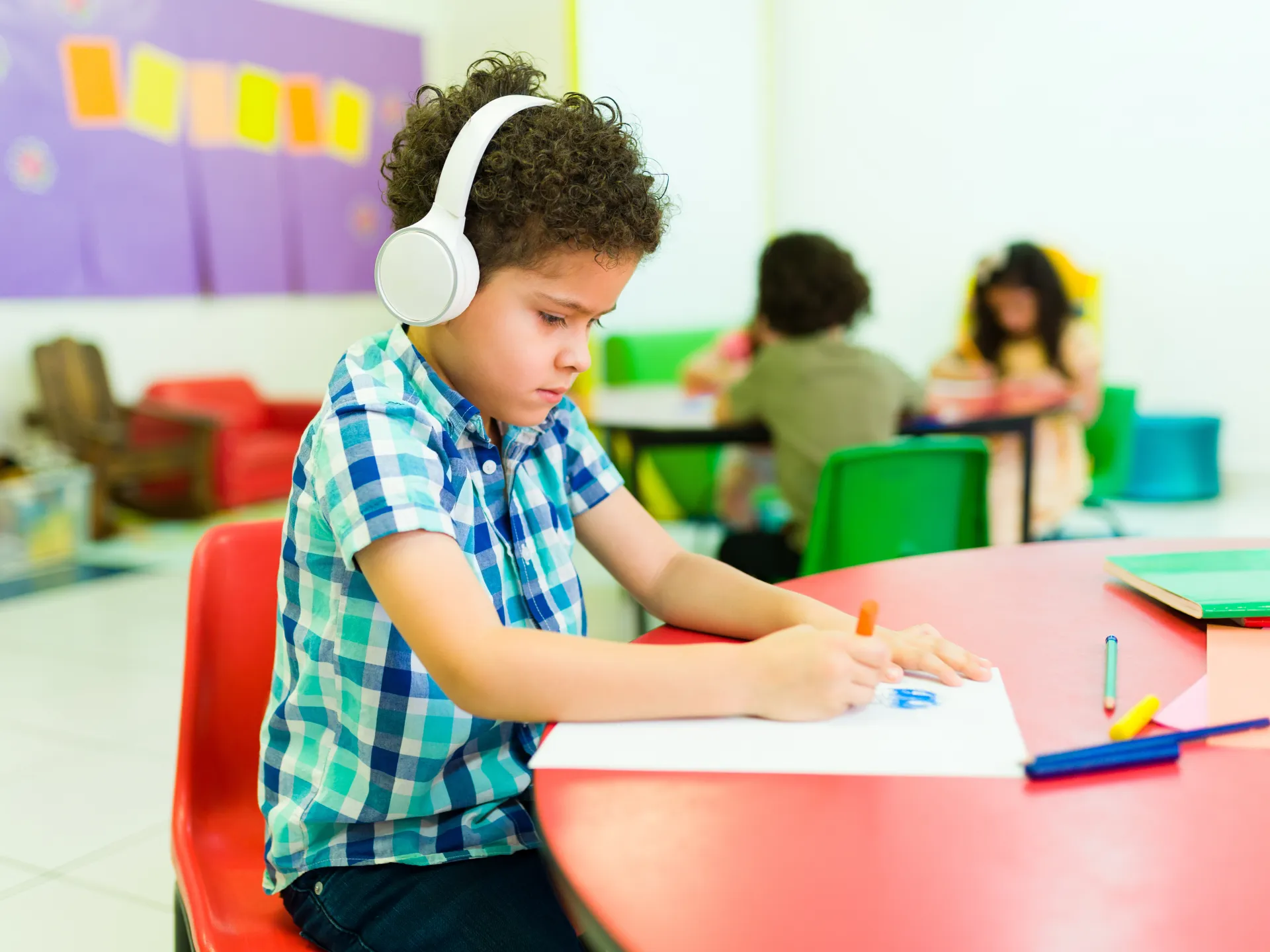
The rapid rise in autism diagnosis rates represents one of the most controversial issues in the field of mental health, as interpretations conflict between those who see it as a real spread of the disease, and those who consider it a result of expanding standards and increasing awareness.
Pediatric consultants believe that the diagnostic criteria have changed radically, which has led to the inclusion of cases that were not previously classified within the autism spectrum, as stated in a report broadcast on Al Jazeera digital platforms.
Pediatric consultant Dr. Madiha Kamal points out that the increased awareness among parents and educational and medical staff has contributed to the rise in diagnosis rates, and that the current standards are based on the Diagnostic Manual (DSM-5), which includes simple and common cases.
According to the report, the clinic is no longer the only place where the question of autism is asked, as a British school survey showed that about one in every 5 students describes themselves as “neurodivergent,” which is a social term that describes different ways of thinking and behavior, and is not a medical diagnosis.
Early intervention
On the other hand, consultant Madiha Kamal denies that device screens or communication platforms are a cause of autism, but she points out that they hinder the child’s linguistic and social development, and warns that the information circulated may be exaggerated, which leads parents to make a hasty diagnosis, calling for reliance on specialized medical staff.
In the same context, the British review shows that those diagnosed today do not face lighter difficulties than those before them, but it criticizes a system that made diagnosis the main gateway to obtaining support.
The consultant points out that intervention begins from the first day in which the mother feels that her child is different from others, and gives practical examples: If speech is delayed, the mother immediately begins to interact with the child, to build on what the child loves and open the windows of communication with him.
She points out that the child may not open many windows for learning, but he does open a small window, and parents must take advantage of it. She stresses that early intervention, despite its difficulty, is the best way to improve the life of the child and his family, and that waiting may cost the child precious opportunities.
Autism spectrum disorder – also known as autism – is a neurodevelopmental condition characterized by difficulties in social and communication skills and repetitive behaviour.
Symptoms of autism vary and include:
- Difficulties in social interactions, including difficulties maintaining eye contact, understanding others’ intentions, or adjusting to social norms.
- Difficulties in forming or maintaining relationships.
- Repetitive movements such as flapping hands or rocking back and forth.
- Limited or very focused interests.
- Sensory sensitivities, including touch, sounds, and vision.
About 30% of people with autism suffer from significant intellectual disability and very limited language skills, and may require lifelong care, and researchers point out that differences in how people with autism interact with others may not always be a bad thing.