

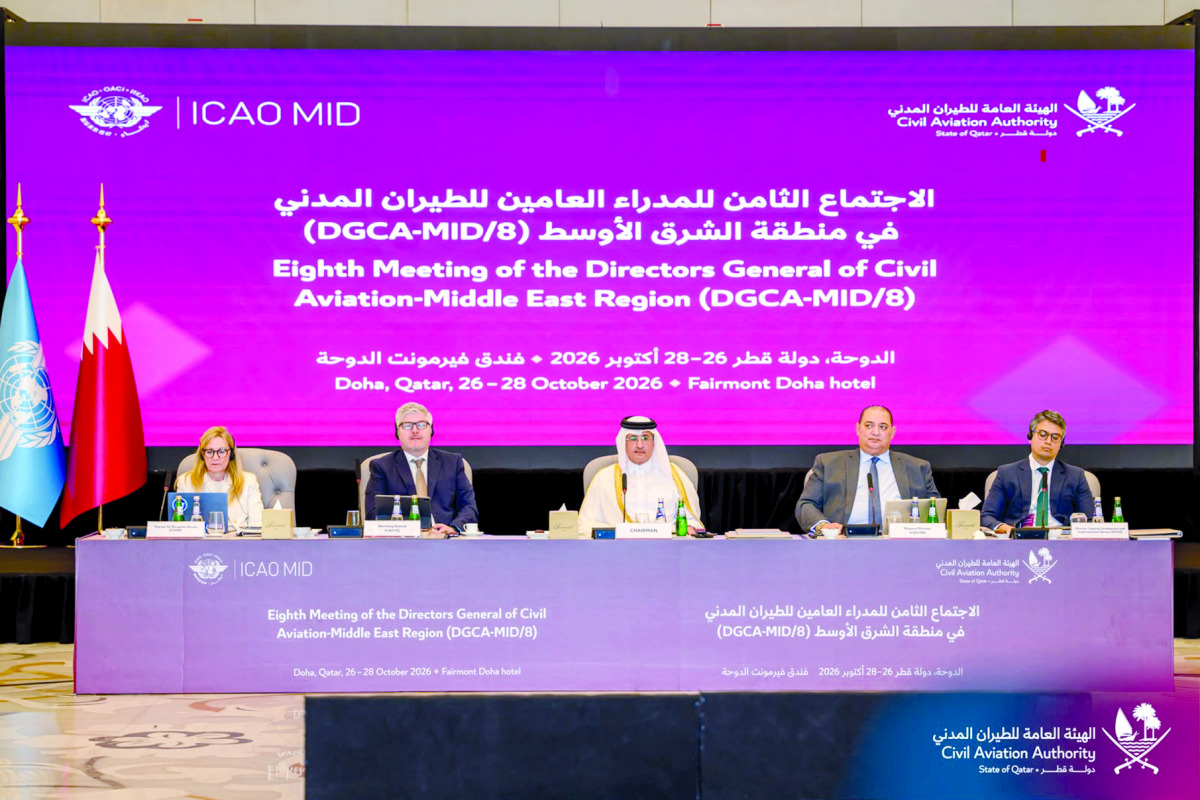
Yesterday, the eighth meeting of Directors-General of Civil Aviation in the Middle East was launched in Doha, hosted by the General Civil Aviation Authority, in cooperation with the Regional Office of the International Civil Aviation Organization (ICAO) in the Middle East, during the period from 26 to 28 October 2026, with the participation of Directors-General and officials of civil aviation authorities in countries of the region, and other countries, along with representatives of international and regional organizations concerned with civil aviation.
During his opening speech, Mr. Mohammed bin Faleh Al-Hajri, in charge of managing the Authority’s work, stressed the importance of the meeting as an opportunity to determine the priorities of the next phase in light of the rapid transformations taking place in the civil aviation sector.
In his speech, he also touched on the most prominent developments taking place in the region and their impact on the civil aviation sector, stressing the importance of strengthening regional cooperation and coordination in light of the current circumstances. He said: “We hope that joint efforts and continued regional coordination will contribute to the return of operational operations to their normal levels, thus enhancing the stability of the civil aviation sector and supporting its growth during the next stage.” We also look forward to our meeting forming a platform to enhance joint regional readiness and build on existing efforts and initiatives under the umbrella of the International Civil Aviation Organization (ICAO), in a way that supports the efficiency of air operations and their ability to deal with current challenges.”
He also pointed out the challenges and operational restrictions that have befallen airlines in the region as a result of regional tensions, the most prominent repercussions of which were the delay of flights to more than 9 minutes, which was previously recorded only less than 3 minutes, which confirms the need for greater efforts and teamwork to ensure the safety and stability of air traffic.
The meeting will discuss a range of topics related to the development of the civil aviation sector, including global developments in the fields of aviation safety and air navigation, cybersecurity, environmental protection and sustainability, in addition to developments related to air transport facilities and ways to enhance regional cooperation and support implementation, in addition to the development of the aviation security program in the Middle East region, and challenges related to drones.
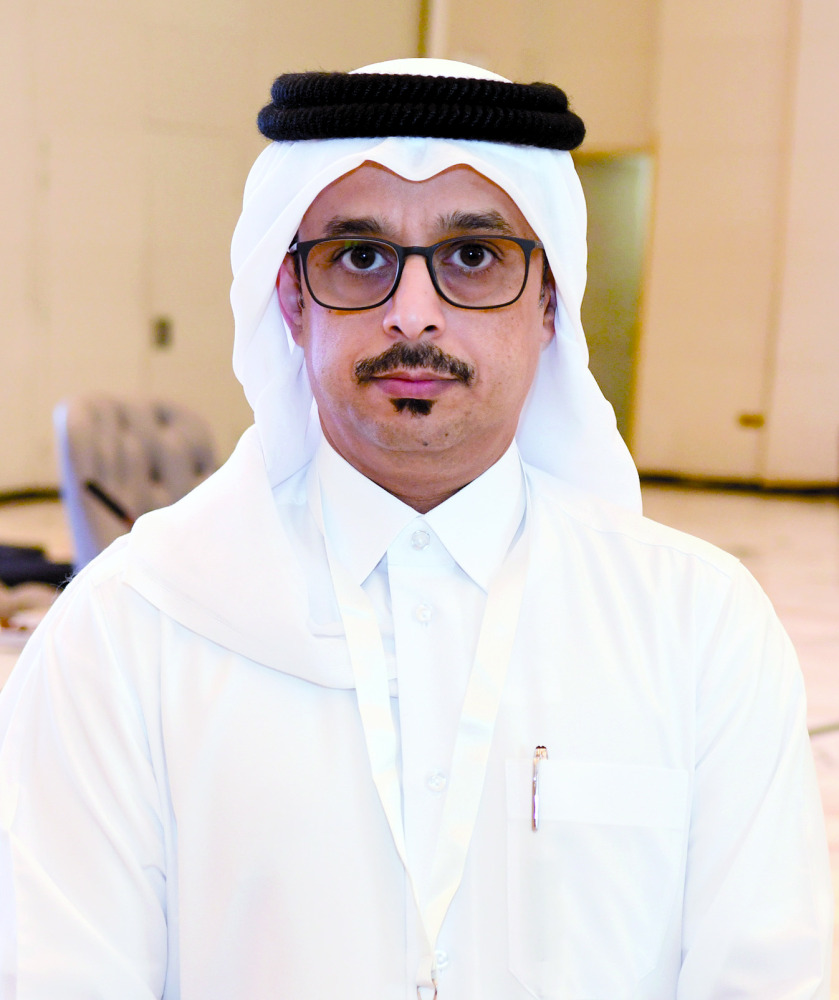
Al-Qahtani: Discussing emerging threats and challenges of supply chains in air transport
Mr. Fahd Debsan Al-Qahtani, Director General of the General Department of Aviation Systems Affairs and Control at the General Authority of Civil Aviation, confirmed that the eighth meeting of the Directors-General of Civil Aviation in the Middle East region, which is hosted by Doha in coordination with the Regional Office of the International Civil Aviation Organization (ICAO), comes in light of the circumstances and challenges facing the civil aviation sector in the region.
Al-Qahtani said, in press statements on the sidelines of the meeting, that the agenda includes discussing a number of important topics related to the civil aviation sector in the Middle East, most notably air navigation safety, aviation security, and emerging threats, in addition to the challenges associated with supply chains in the air transport sector.
He explained that the meeting aims to propose cooperative and coordination solutions among member states to confront these challenges, and to enhance joint cooperation in a way that supports the safety and security of civil aviation traffic in the region.
Regarding the possibility of issuing decisions to enhance aviation security in light of the current conditions in the region, Al-Qahtani stressed that the International Civil Aviation Organization, affiliated with the United Nations, is working to issue decisions that encourage member states to enhance air navigation safety.
He expressed his expectation that decisions will be issued that support the safety of air navigation and ensure its continuity, as part of the efforts aimed at confronting the challenges witnessed by the civil aviation sector in the Middle East.
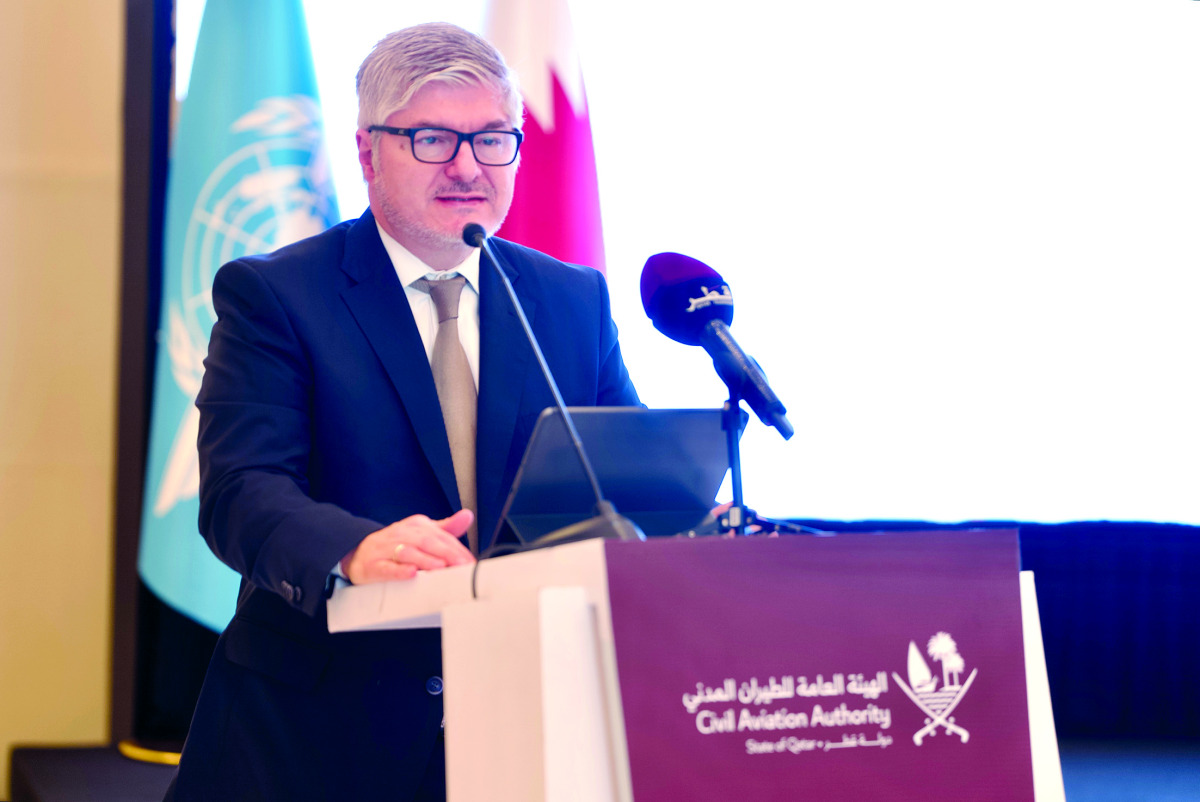
Salazar: Cybersecurity, sustainability, and technology are the most prominent challenges for the sector
Mr. Juan Carlos Salazar, Secretary-General of the International Civil Aviation Organization (ICAO), stressed that the Middle East region occupies a pivotal position in the global aviation system, thanks to its strategic location and its growing role in connecting the continents, enhancing trade and tourism, and supporting economic development.
During his speech at the eighth meeting of Directors-General of Civil Aviation in the Middle East, hosted by Doha, Salazar said that the region has played an important role over centuries in linking societies, cultures and economies, while the aviation sector today continues to strengthen this role, as a bridge linking East to West and North to South.
He expressed his appreciation to the State of Qatar for hosting the meeting and the warm reception, praising the efforts of those who contributed to organizing this important regional event.
He explained that the global aviation sector is going through a phase of profound transformation, in light of the continued growth in demand for air transport, rapid technological development, changing passenger expectations, increasing environmental responsibilities, security challenges and cyber risks, in addition to the need to build qualified human cadres capable of keeping pace with the requirements of the sector.
He stressed that the common goal is to ensure the continued growth of the aviation sector, while maintaining the highest levels of safety, security, sustainability and accessibility to air transport services.
He pointed out that these priorities are reflected in ICAO’s strategic plan for the period from 2026 to 2050, which outlines a common vision for the future of international civil aviation, and is based on enhancing safety, security, sustainability, and developing a more comprehensive and efficient air transport system.
He stressed that experiences have proven that the aviation sector achieves the best results when governments, airlines, international organizations and regional partners cooperate to achieve common goals.
He pointed out that the Middle East region is witnessing continuous growth in air traffic, which provides great opportunities to enhance economic development, air connectivity, and integration into global networks, but this growth imposes additional responsibilities related to strengthening safety and security systems, and raising the efficiency of air navigation procedures.
He praised the pioneering role played by the Middle East region in developing international civil aviation, noting that it hosts a number of the most important global aviation centers and its contribution to enhancing air connectivity between various parts of the world.
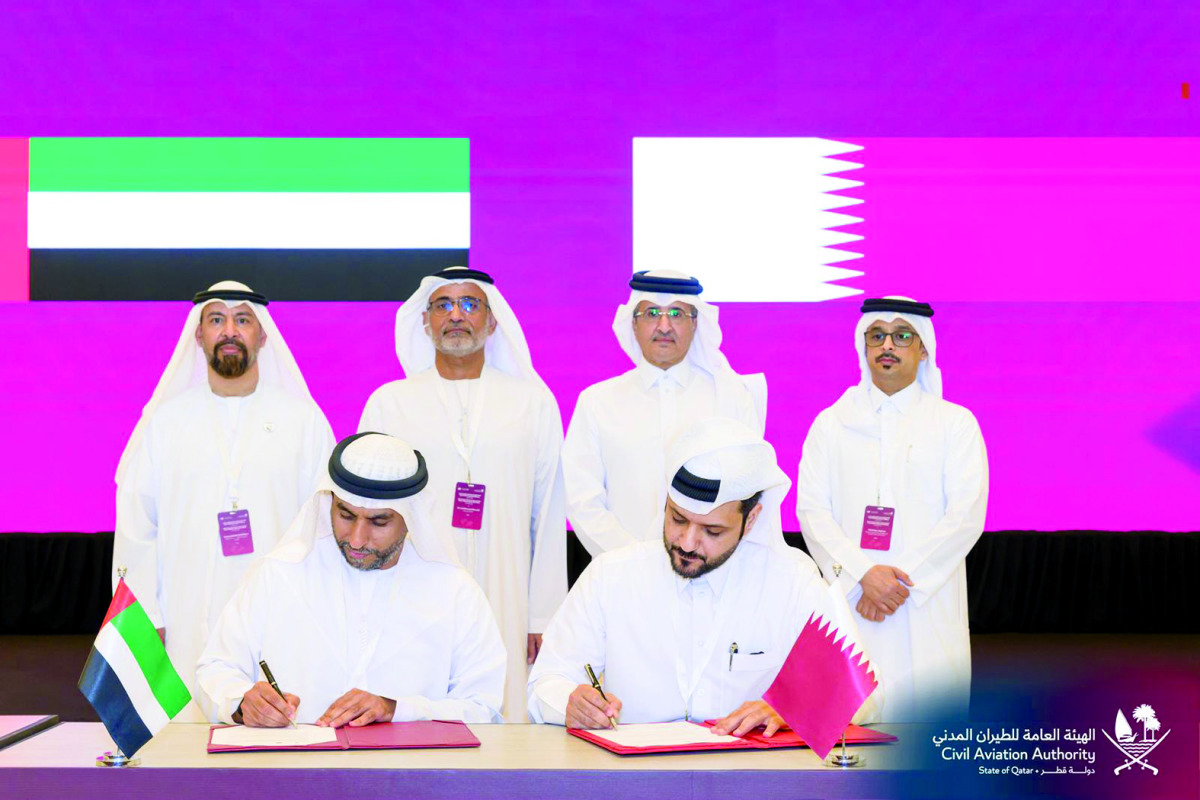
A cooperation agreement between air navigation service providers in Qatar and the UAE
The State of Qatar and the sister State of the United Arab Emirates signed a cooperation agreement between air navigation service providers in the two countries, in the presence of Mr. Mohammed bin Faleh Al Hajri, in charge of managing the work of the General Authority of Civil Aviation, and His Excellency Mr. Saif Mohammed Al Suwaidi, Director General of the General Authority of Civil Aviation in the UAE.
The agreement was signed on the sidelines of the eighth meeting of Directors-General of Civil Aviation in the Middle East region, currently held in Doha.
The agreement aims to enhance cooperation and joint coordination in the field of air navigation services between the two countries, which contributes to supporting the efficiency, safety and smoothness of air traffic in the region. This also comes within the framework of the State of Qatar’s preparations to activate the second phase of the Doha Aviation Information Region.