

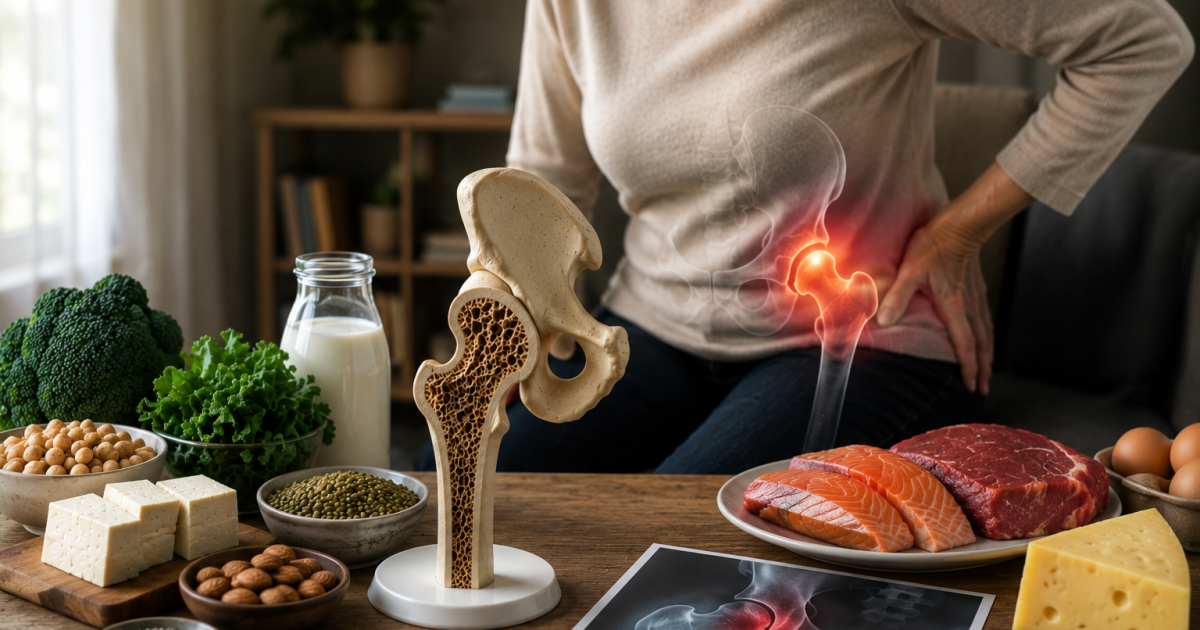
A recent study revealed a new relationship linking vegetarian diets with health consequences, as researchers from Austria and Brazil revealed in a systematic review published in the journal Nutrition Reviews in November 2025, that following a diet based only on plant sources – what is known as a strict vegetarian diet – increases the risk of hip fractures.
The researchers based their results on an analysis of 4 cohort studies published between 2020 and 2024, which included a total of 529,672 participants who depend on vegetarian and strict vegetarian diets, and compared them to those who eat meat in their food.
The average age of the participants was 55.5 years, with a follow-up rate of 15.2 years. To obtain more accurate results, a meta-analysis was conducted of the results of the studies included in the review.
The researchers found that people who followed the two diets, whether a regular vegetarian diet or a strict vegetarian diet, were more likely to suffer from hip fractures, as people who followed the regular vegetarian diet were 25% more likely to suffer from hip fractures, while strict vegetarians were 75% more likely to suffer from hip fractures, compared to those who ate meat in their diet.
Explaining the association of a vegetarian diet with hip fractures
The researchers analyzed the results based on previous studies and research that targeted the relationship between a vegetarian diet and hip fractures among those who follow these diets. They attributed this to their lack of the calcium needed to build bones from animal sources as a result of their exclusion of dairy derivatives from their food, in addition to the absorption rate of calcium from animal sources, which is classified as the highest compared to plant calcium.
The overall calcium balance will be disturbed over time in the body in vegetarians. In addition to this, there is a lower rate of obtaining vitamin D, which is necessary to increase the absorption of calcium in the body, as plant sources contain vitamin D in the form of D2, which is the least absorbable form within the body, while fatty fish and fortified dairy derivatives are the richest dietary sources of vitamin D, while the primary source of vitamin D synthesis remains in the body through the skin after exposure to the sun.
The researchers suggested that another factor may have contributed to the increase in the rate of hip fractures in vegetarians, which is the decrease in muscle mass that accompanies the decrease in bone density, as the increased load from the muscles on the bones stimulates them to enhance their density so that they can bear the weight placed on them. In the cases of vegetarians, muscle mass decreases, and over time it affects bone strength and increases the incidence of fractures.
Despite the strengths that the study enjoyed, conducting a meta-analysis based on factors controlled in the studies included in the review to allow obtaining more accurate results by controlling the factors that may affect them, in addition to the large sample that enhanced the statistical power and increased the reliability of the results, but The study did not detail the plant varieties that participants relied on to determine their quality.
It also did not reveal how long the participants adhered to vegetarianism and the extent of their discipline. It was also limited to participants from Europe and North America only, which means that it did not represent the rest of the ethnicities to limit its generalizability. The study also relied on data obtained by each participant retrieving and recording his information, which means a higher possibility of error and bias while remembering the required information.
The difference between a vegetarian and a strict regular diet
A vegetarian diet, by its simple definition, excludes all types of meat (beef, lamb, chicken, deer meat) and their derivatives, but there are types of vegetarian diets, the most prominent of which are:
- The regular vegetarian diet: It is based on plant foods but allows eating dairy products and eggs. Another type of diet allows eating fish and seafood with or without eggs and dairy products.
- Strict vegetarian diet (Vegan): It relies on plant sources only.
The effect of a vegetarian diet on bones
In a systematic review and meta-analysis published in the journal Clinical Nutrition in July 2025, it was shown that a vegetarian diet is associated with an increased risk of osteoporosis, especially in the vertebrae of the lower back, especially in those who follow a strict vegetarian diet for 10 years or more. It was found that the negative effect of a vegetarian diet by increasing the risk of osteoporosis was noticeable in people who follow a strict vegetarian diet or those who adhere to it for a long time.
The review recommended that people who follow vegetarian diets pay special attention to their bone health and constantly monitor bone density through periodic examinations.
But the review relied on observational studies only, which prevents concluding a causal relationship between a vegetarian diet and osteoporosis, in addition to many other limitations that included a higher possibility of bias as a result of relying on subjective data without monitoring it. Also, some of the studies within the review were weak and did not exclude some factors such as body mass index, smoking, and physical activity, which limits the accuracy of generalizing the results.
Another study published by a group of researchers from the United Kingdom in the journal BMC Med in 2023 examined the relationship between meat-based and vegetarian diets with the risk of hip fractures, in an attempt to identify possible factors and explain the effect of each diet on bone health in the hip.
The study included adults (approximately 500,000) whose ages ranged between 40 and 49 years at the start of the study (2006 and 2010). They were classified into 4 groups according to their diet; Meat eaters, occasional meat eaters, pescatarians, and vegetarians then tracked incidences of hip fractures through medical records linked to hospital admissions through 2021.
The results showed that vegetarian women and men were more likely to suffer hip fractures than regular meat eaters, partly due to their lower body mass index. However, the exact mechanism of the effect of each diet needs further future studies.
The study also included some restrictions and limitations, as it did not include a sufficient number of those who follow a strict vegetarian diet to allow its effect to be evaluated as an independent factor. There is also the possibility of bias because the study is observational, which prevents proof of causality in the relationship between them. The study relied on data from participants from the UK Biobank database, and they enjoy better health than the general British population, most of whom are of the Caucasian race, which limits the generalization of the results to the rest of the races.
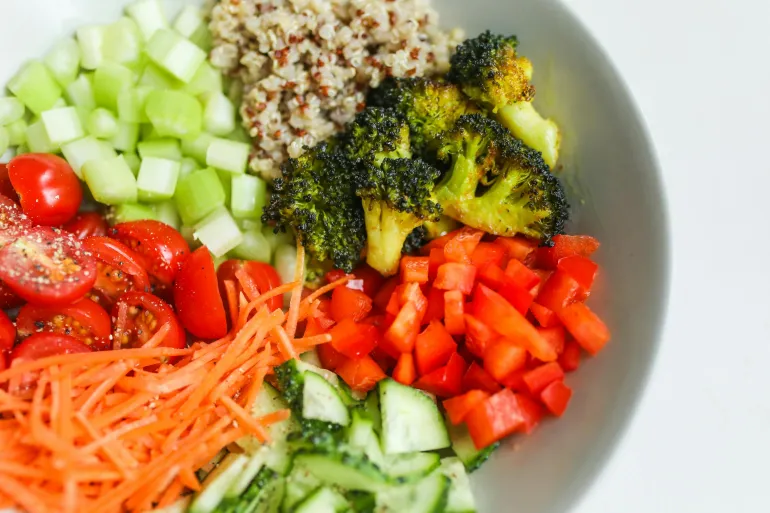
Vegetarian diet in studies
A scientific review published in the European Heart Journal in 2023 indicated a group of benefits shown by previous studies, including that following a vegetarian diet is associated with a lower risk of cardiovascular disease, diabetes, and high blood pressure. The randomized clinical trials included in the review also confirmed that a vegetarian diet contributes to the prevention of high cholesterol and high blood pressure, and helps with weight loss and glycated hemoglobin.
The study came back and showed that a vegetarian diet that relies on certain foods lacks the necessary nutritional elements, such as some vitamins and minerals, most notably vitamin B12, iron, zinc, and calcium, which are linked to an increased risk of serious diseases and increased death rates resulting from that. They ultimately stressed the need for more studies to verify the effect of diet on health, and to understand the mechanism by which the body responds to vegetarian foods based on their quality, for example.
Another study was published in the journal Nature Medicine in 2024 for the purpose of evaluating the effect of diet on the immune system by comparing the vegetarian diet and the keto diet. The researchers conducted an analysis of participants (20 people) within a previous clinical trial, during which the participants followed a strict vegetarian diet and the keto diet alternating for two weeks each. After the analysis, the participants’ genetic data, immune data, and others related to metabolism, the microbiome, and proteins were collected for the purpose of evaluating the impact of each diet on the immune system. body.
The researchers concluded that a strict vegetarian diet was able to influence innate (unacquired) immunity and increase the body’s resistance to viruses. The keto diet and the vegetarian diet also showed a clear and different effect on the microbiome and amino acid metabolism. The keto diet clearly weakened the activity of beneficial microorganisms compared to the vegetarian diet.
However, one of the most important limitations of the study is that the results were limited to blood test readings only and not other body tissues. It is not known whether the same changes occurred in other tissues and organs, or how the body’s tissues respond to the ketogenic diet or vegetarian diet.
The vegetarian diet still needs more studies and direct follow-up of the participants, according to most of the research that dealt with its health impact on bones and other things, which means the need to consult a doctor or nutritionist to choose the most appropriate nutritional program that suits the patient’s health needs.