

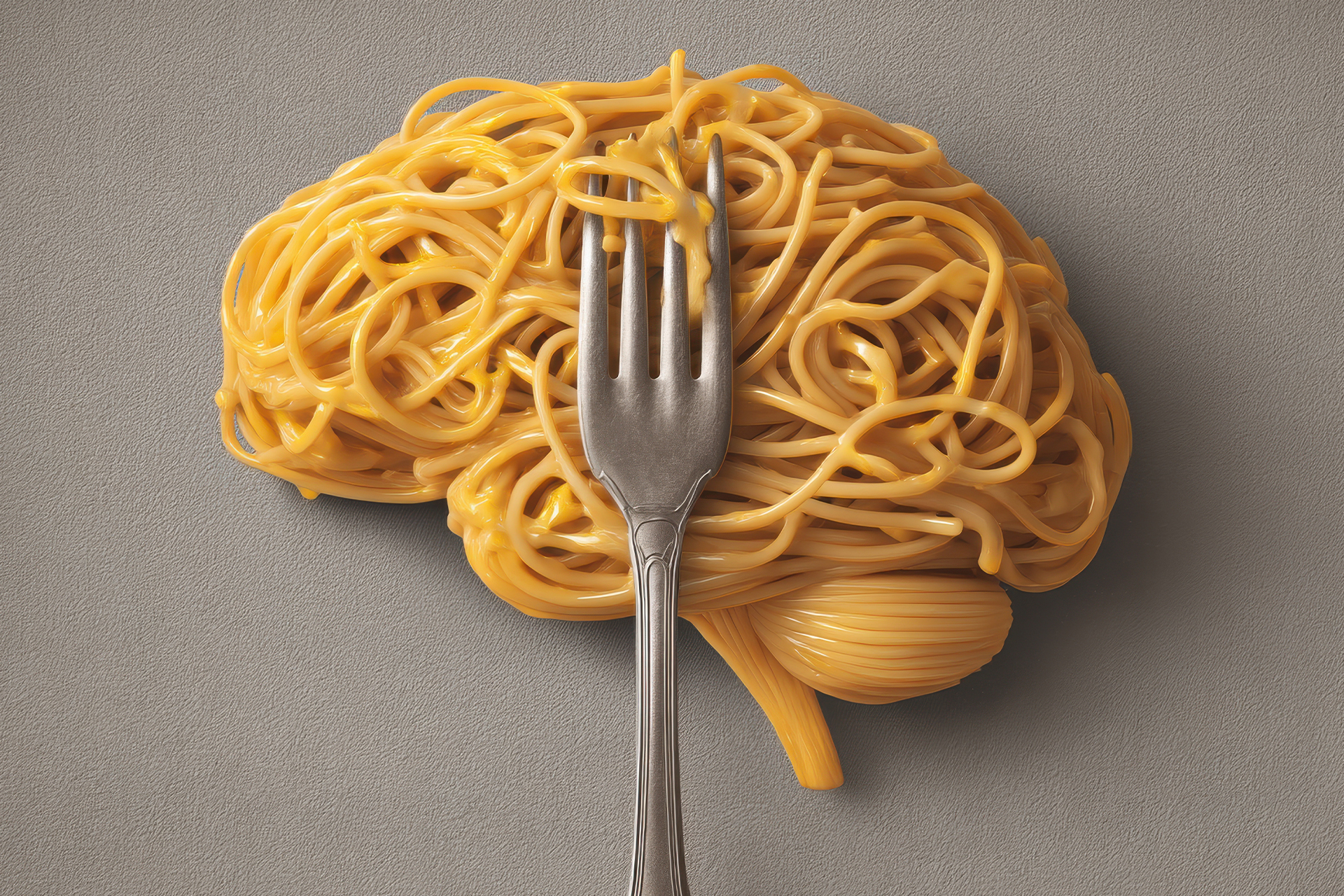
Some people think that only sweets and soft drinks can raise blood sugar to high levels, but some seemingly innocent foods raise blood sugar, such as sweets.
Steve Bennett, author of “Sugar Tolerance” and an anti-diabetes advocate, warned in an article published by the Daily Mail that carbohydrates such as bread, pasta and potatoes, in addition to some fruits and vegetables, may have the same effect on blood sugar, increasing the risk of developing a number of serious health problems.
“Our body is designed to deal with moderate, infrequent sugar spikes,” he said. “But what we see is that this is not rare. It is breakfast cereal, bread for lunch, and pizza for dinner.”
The hormone insulin controls blood sugar levels by sending signals to cells to absorb glucose (blood sugar) from the bloodstream.
It activates insulin so frequently that cells become less responsive to insulin and do not absorb excess glucose in the blood as efficiently.
Bennett adds that high blood sugar for long periods also prompts the body to start storing sugar in the form of fat, which leads to clogged arteries, and ultimately to weight gain, Alzheimer’s disease, and even blindness.
Bennett explains that seemingly innocent carbohydrates are usually the culprit. “There’s something that will change your understanding of nutrition: your entire bloodstream is designed to contain just one teaspoon of sugar,” he wrote in his new book.
Reducing high blood sugar
Bennett points out that there are two main strategies that help reduce blood sugar spikes: reduce your intake of refined carbohydrates with a high glycemic index, and if you cannot bear to give them up, eat these carbohydrate-rich foods with fiber.
The glycemic index (GI) is a measure of how quickly foods raise blood sugar levels, ranked on a scale of 1 to 100.
Pasta is an example of a food with a high glycemic index. The carbohydrates in pasta break down relatively quickly in the intestine, releasing sugar, which may lead to a sudden spike in blood sugar in some individuals.
Low glycemic index foods, including vegetables, whole grains, legumes and some fruits, take longer to digest, resulting in a more controlled release of sugar and fewer spikes in blood sugar.
Bennett says eating the right food is also important for reducing high blood sugar, and studies have shown that eating foods rich in fiber, protein or fat before carbohydrates can reduce high blood sugar.
“If you’re going to eat a meal high in fats, proteins, and carbohydrates, start with high-fiber foods first, like leafy greens, then fats and proteins, and finish with carbohydrates,” Bennett said.