

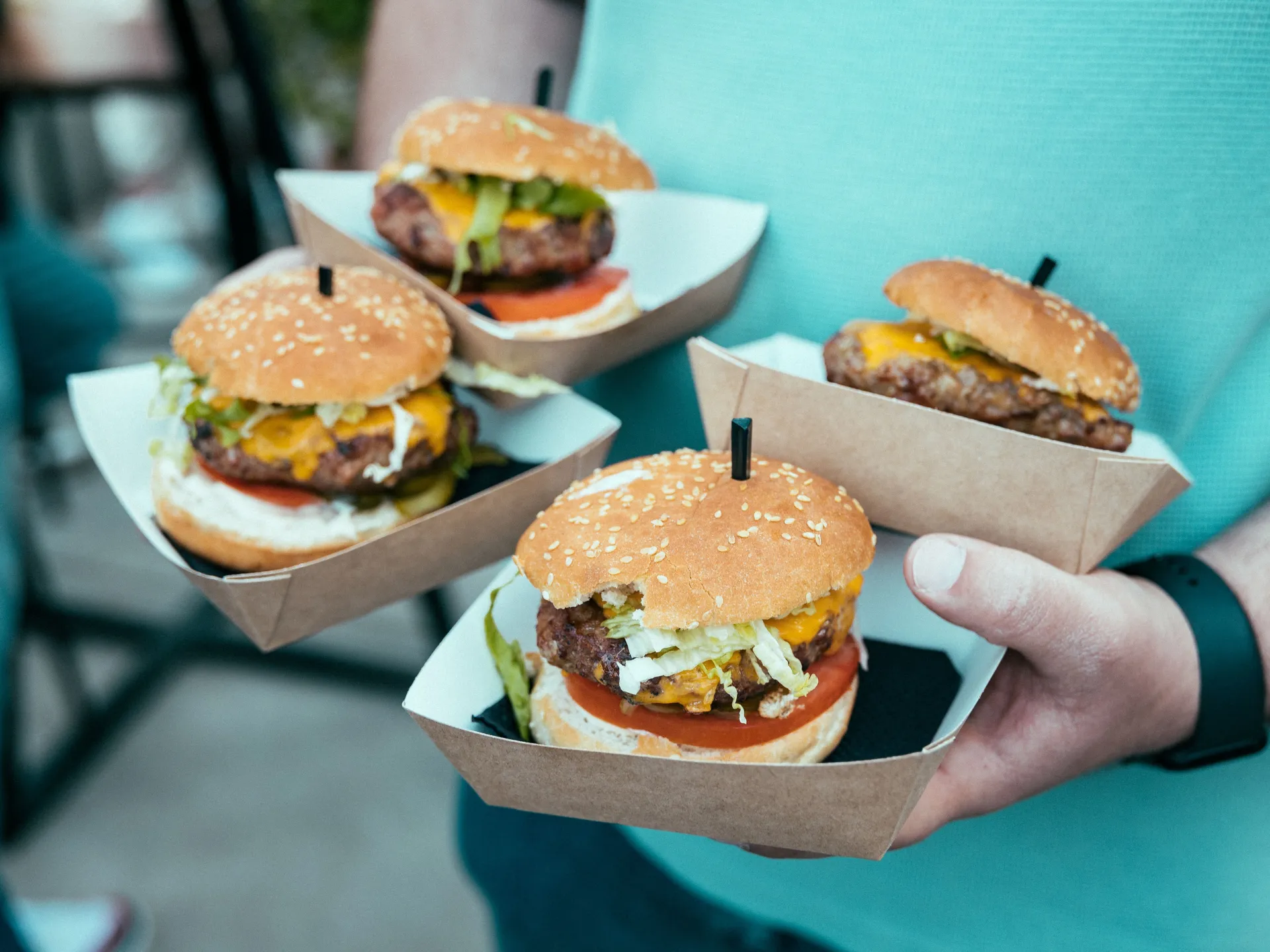
A recent study published by researchers from Europe and the United States in the Journal of the Intestine (GUT) – a peer-reviewed international journal – in July of this year revealed the continuing negative effects of fast and ready-made foods on the digestive system, indicating that eating them is linked to a higher risk of cancerous tumors in the colon and rectum.
These results support the findings of previous studies regarding the importance of limiting fast foods, which are a component of the Western diet, to prevent their harmful health effects.
Ready food and colon cancer
In their experiment, the researchers aimed to understand the role of secondary bile acids produced by some types of bacteria found in people with colorectal cancer.
The study relied on a set of models and experiments, which included genetically modified pigs, stool samples taken from patients with colorectal cancer, and laboratory mice colonized with specific types of modified microbiome, with the aim of determining the effect of specific bacterial strains on colon and rectal cancer cells. The researchers also used models of laboratory-cultured human colon tissue to enhance their understanding of these interactions.
This experiment provided evidence indicating that the Western diet, including ready-made and fried foods, sweets, drinks rich in sugar, and others, may affect the environment of the intestinal microbiome, allowing some bacteria to acquire properties that may contribute to stimulating the growth of cancer cells, and thus increasing the risk of colorectal cancer.
Excessive consumption of foods rich in saturated fats and poor in fiber, such as ready-made foods, may increase the production of primary bile acids and their accumulation in the colon, as intestinal bacteria convert them into secondary bile acids, most notably deoxycholic acid, through metabolic processes.
Tests have shown high levels of this acid in the stool samples of colorectal cancer patients and people at high risk of developing it, because of its potential role in stimulating the formation, growth, and reproduction of colon tumors.
However, the results confirmed that high levels of deoxycholic acid alone are not a sufficient factor for the growth of cancer cells in the colon. Rather, following a Western diet contributed to stimulating the action of secondary bile acids to stimulate the growth of cancerous tumors in the colon in people with a genetic predisposition to this, according to the animal models (pigs in particular) that they studied.
The researchers attempted to uncover the mechanism through which deoxycholic acid works to stimulate the growth of cancer cells. They proposed a number of hypotheses through which it may work:
- Stimulating colon epithelial cells to acquire the characteristics of cancer stem cells, which gives them a greater ability to renew and transform, and contributes to tumor growth and spread. This occurs through the effect of deoxycholic acid on the beta-catenin protein pathway, which has an essential role in cell growth, reproduction and differentiation.
- Disruption of bile acid receptors stimulated the spread of cancer cells and damaged the genetic material of intestinal stem cells.
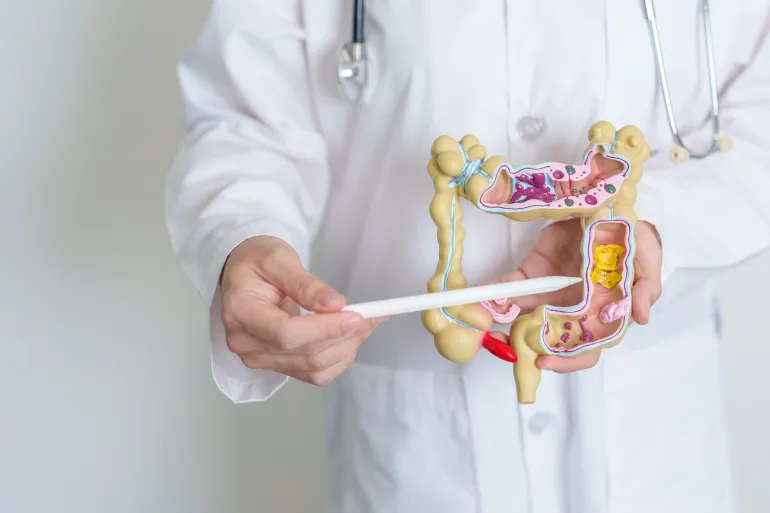
The researchers noted that deoxycholic acid is not harmful to the intestines, as it may play a major role in maintaining the balance and organization of the epithelial lining of the intestine and promoting cell regeneration, which means that reducing its levels without getting rid of it entirely may have a preventive and perhaps therapeutic role in confronting colorectal cancer.
The researchers thus confirmed the causal relationship linking the exacerbation of colorectal cancer with dependence on the Western diet as a result of the activity of intestinal bacteria that contribute to the conversion of bile acids through the enzyme into deoxycholic acid, which is one of the advantages, uniqueness and strength of this study.
Western diet and colon cancer
The Western-style diet has previously raised controversy about its potential health harms, specifically to the digestive system. The Western diet is based on excessive consumption of processed meats, refined grains, and sugars, and several studies have addressed it with the aim of confirming its relationship with high rates of colon cancer diagnosis.
In an American study that examined the relationship between the Western diet and the risk of colorectal cancer, researchers followed 137,217 men and women for 32 years. The results showed that following this dietary pattern was associated with a 31% increased risk of colorectal cancer, with more than 3,000 cases recorded, while following healthy dietary patterns was associated with a 14% lower risk.
Although the relationship between diet and the development of colorectal cancer is still unclear, researchers continue to study the effect of different foods on the risk of developing it. In this context, researchers conducted a prospective study published in the journal Nature, in which they followed more than 542,000 women for more than 16 years, with the aim of identifying nutritional components associated with colorectal cancer by studying 97 nutritional factors.
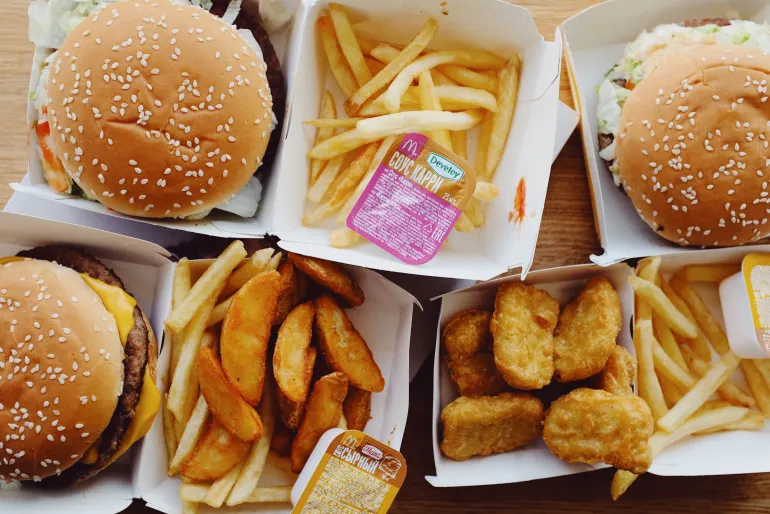
During the follow-up period, 12,251 cases of colorectal cancer were diagnosed. The results showed that eating red meat was associated with a higher risk of infection, while consuming fruits, whole grains, and fiber was associated with a lower risk.
These findings support previous evidence, emphasizing the need for further studies to determine which dietary factors are most closely associated with changes in the colon.
Colon cancer is increasing globally
Colorectal cancer is the third most common cancer in the world. In 2022, about two million new cases and nearly one million deaths were recorded.
High infection rates are concentrated in high-income countries, especially in Europe, Australia, Japan, North America and New Zealand, with rates about ten times higher than some regions of Asia and Africa.
In the Middle East and North Africa, infection rates ranged between 15 and 36 cases per 100,000 people, while Jordan recorded the highest death rate at about 16 deaths per 100,000 people.
Colorectal cancer, in addition to the Western diet, has been linked to several factors, most notably smoking, obesity, lack of physical activity, and alcohol consumption.
The disease has also become a subject of increasing interest with rising infection rates among people under the age of 50, after it was more common for decades among those over this age.