

Researchers have found that the mixture of sugars in most sugary drinks contributes directly to the spread of cancer.
The study was conducted by researchers from the MD Anderson Cancer Center at the University of Texas in the United States, and its results were published in the journal Nature Metapolm on September 19, and the American Newsweek Journal was written about it.
“To understand the risk of sugary drinks completely, we needed to know if it made the existing cancer more aggressive and spread faster, not only whether they increase the risk of cancer in the first place.”
To study the potential effect of sugary drinks on colon and rectum cancer in its late stages, the researchers used laboratory cancerous models to compare the effects of both glucose and fructose with the effects of glucose or fructose only.
Researchers define sugar -sweetened drinks as sweetened liquids with added sugars, including scrubs and high fructose corn.
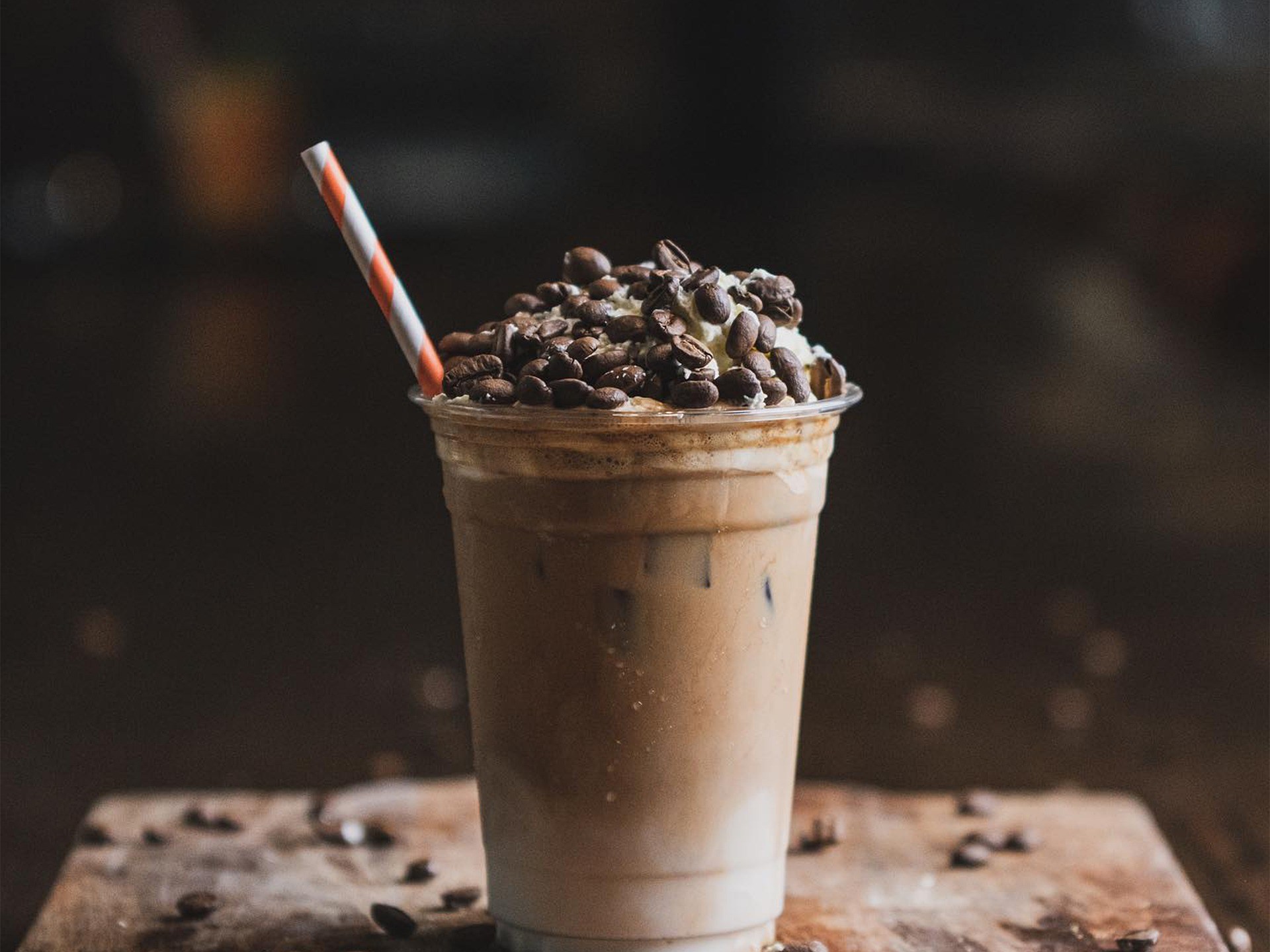
“Examples include not only traditional soft drinks, but also energy drinks, sweetened coffee drinks such as fruvachene, and nutritional drinks – which are often given to cancer patients – and fruit juices,” Jihai said.
Sugar mixture
The new study revealed that the sugar mixture alone is what made cancer cells more powerful, which led to a faster spread to the liver, and the liver is the most common location for the spread of colon and rectum cancer.
The team discovered that the glucose and fructose mixture stimulates enzyme called Sorbitol Dehydrogenase, which enhances glucose metabolism and stimulates the cholesterol course, ultimately leads to the spread of the tumor.
This path is the same as the statins, which are drugs that can help lower cholesterol.
The researchers have found that blocking Sorbitol Dydrogenez slows the spread of cancer even with the presence of a sugar mixture, indicating that targeting the enzyme can also help prevent the spread of the tumor.
“We have shown that refraining from sugary drinks slows the spread of colon and rectal cancer in our pre -clinical models, even after the tumors are formed. This indicates that food changes can make a difference in the late stages of the disease, although studies on patients will be necessary to confirm this.”