

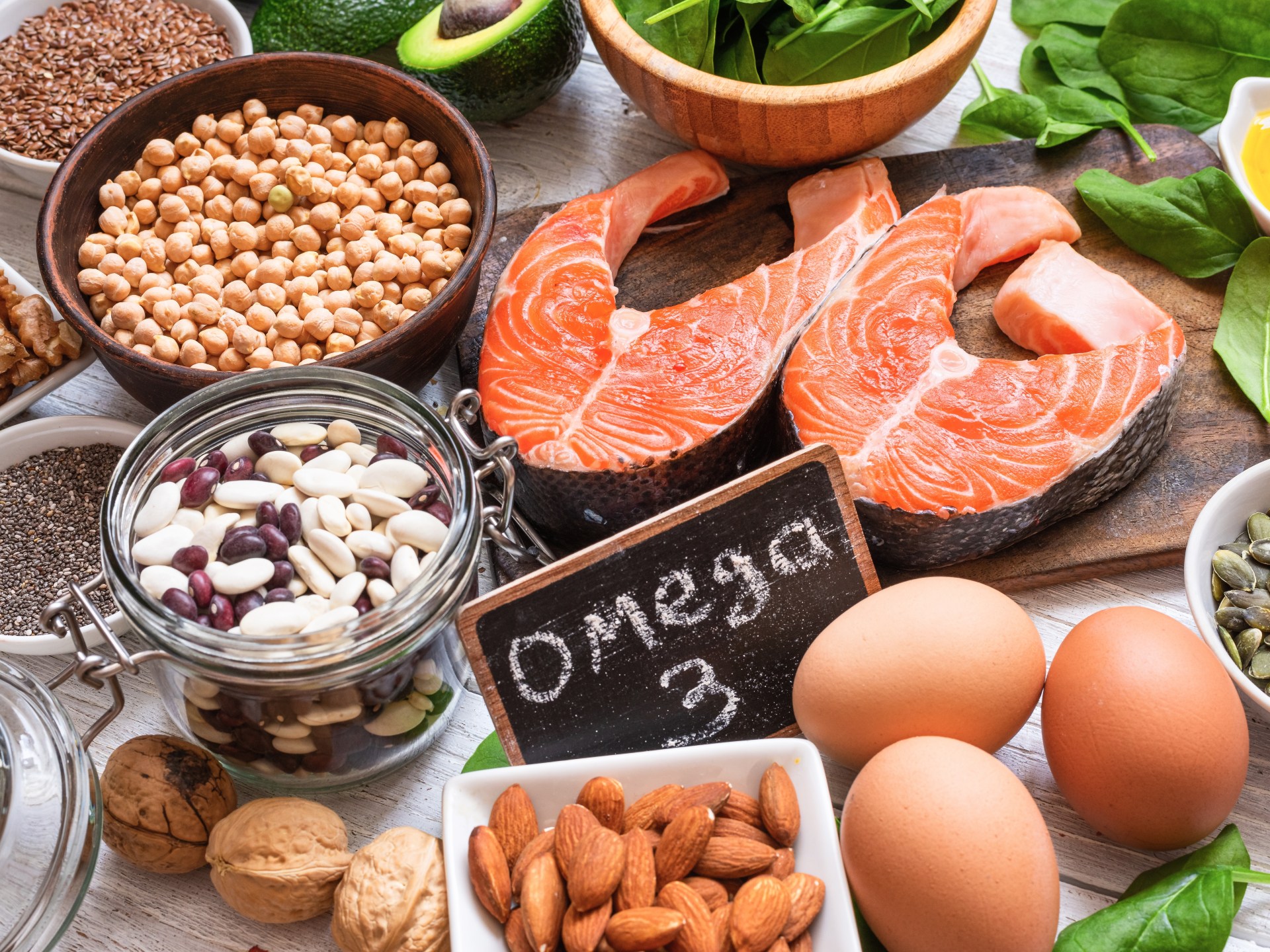
Scientists have revealed that reducing carbohydrates may help prevent depression, so the keto diet may be a key to overcoming low mood.
The study was conducted by researchers from the Interventional Psychiatry Program, St. Michael’s Hospital in Canada, and the results of the study were published in JAMA Psychiatry on November 5, and the British newspaper Daily Mail wrote about it.
This diet has also been used since the 1920s in traditional medicine to treat a serious neurological condition, drug-resistant epilepsy.
Researchers followed the health records of more than 40,000 adults and discovered that the keto diet may significantly reduce symptoms of depression, but scientists were unable to determine the exact reason behind this.
But they pointed out that this diet may provide an alternative source of energy for brain cells, and here it may play a role in treating mental illness.
“These findings suggest that the keto diet may be useful in treating depression in diverse populations, including major depressive disorder,” they said.
Keto diet?
By almost eliminating high-energy carbohydrates, the keto diet aims to get people into a state called ketosis. This means no bread, pasta, and rice, no starchy vegetables like corn, beans, and squash, and rarely fruit.
In ketosis, the body burns stored fat for energy without carbohydrates, which helps people lose weight.
The keto diet often consists of 75% fat, 20% protein, and only 5% carbohydrates.
In contrast, healthy balanced diet advice from the NHS in the UK recommends an intake of 30% fat, 15% protein and 55% carbohydrates.
The researchers put forward a hypothesis about the benefit of the keto diet, and suggested that this is due to depression being linked to a problem in the mitochondria, which are the batteries found in all our cells.
Some people’s mitochondria cannot handle glucose properly. It is the body’s main source of energy, and therefore cells do not work efficiently.
This could affect communication between cells in the brain, which in turn affects brain function and mental health, according to the theory.