

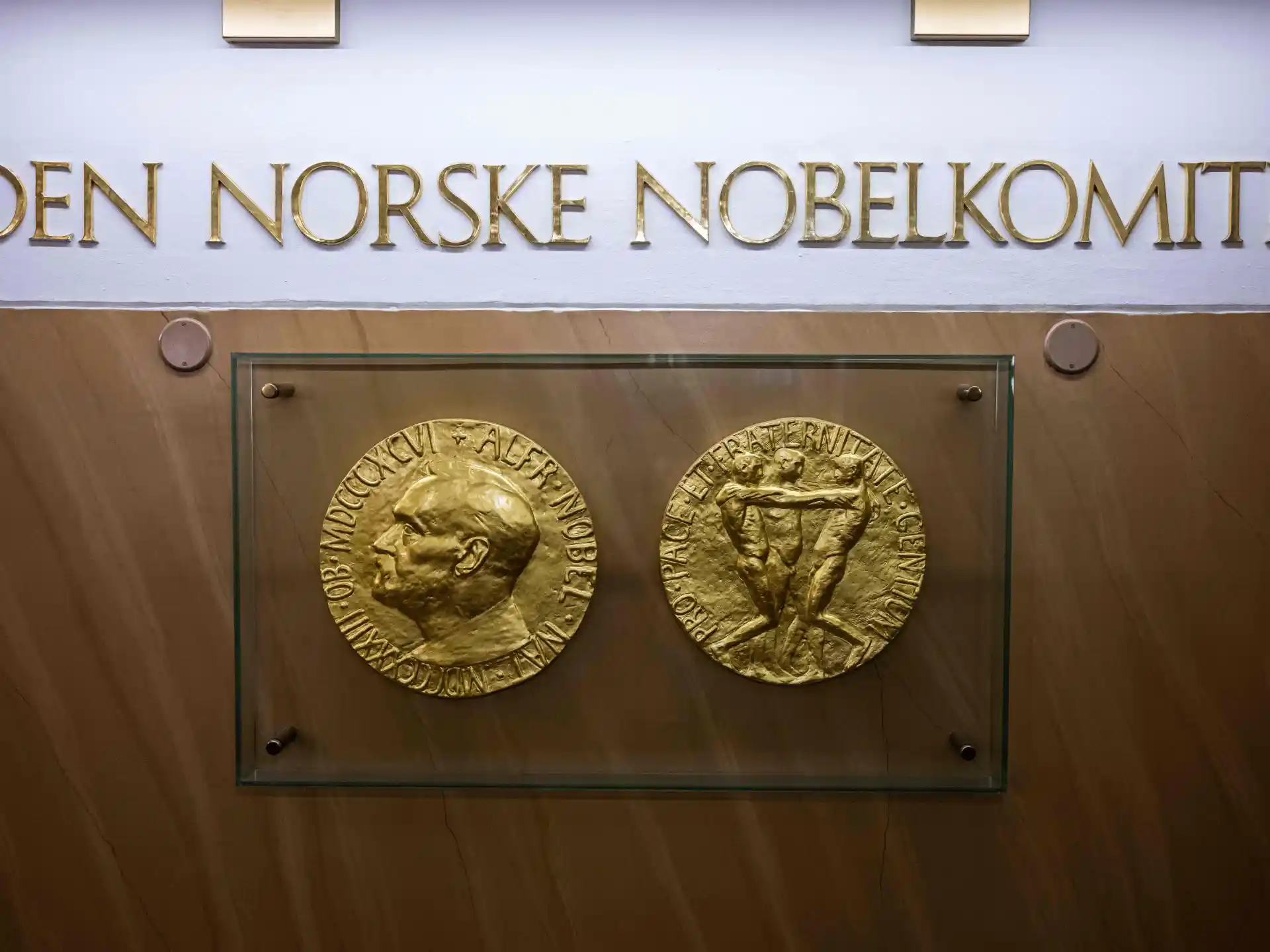
On November 27, 1895, Swedish inventor and businessman Alfred Nobel signed his last will and testament, without knowing that this document would create one of the most famous awards in human history.
Nobel recommended that the bulk of his fortune be allocated to the establishment of prizes that would reward those who would provide “the greatest benefit to humanity” in physics, chemistry, medicine or physiology, literature, and peace.
After his death on December 10, 1896, it took years of legal and institutional arrangements to implement the will, before the Nobel Foundation was established in 1900, and prizes were awarded for the first time in 1901.
Since that time, Nobel has become one of the most prominent symbols of scientific, literary and humanitarian recognition in the world.
633 awards in 125 years
Between 1901 and 2025, the Nobel Prizes and the Prize in Economic Sciences were awarded 633 times to 1,026 individuals and organizations. But some winners received the award more than once, so the actual number of winners reached 990 people and 28 organizations.
The awards were distributed among 119 awards in physics, 117 in chemistry, 116 in medicine, 118 in literature, 106 in peace, and 57 in economic sciences.
Who is Alfred Nobel?
Alfred Nobel was a Swedish chemist, inventor, engineer, and businessman, born in 1833, and especially famous for inventing dynamite. At the time of his death, he owned 355 patents, and left about 31 million Swedish krona (about 2.9 million dollars) to fund the awards that bear his name.
The original awards stipulated in his will included physics, chemistry, medicine or physiology, literature, and peace.
As for the Economic Sciences Prize, it was not part of Nobel’s will. It was established by the Swedish Central Bank in 1968 on the occasion of the 300th anniversary of its founding, and was awarded for the first time in 1969.
Who chooses the winners?
Nobel did not leave the selection task to one party, but rather specified in his will different institutions for each award. The Royal Swedish Academy of Sciences selects the winners in physics and chemistry, while the Nobel Assembly at Karolinska Institutet selects the winners in medicine or physiology.
The Swedish Academy selects the winner in literature, while the Norwegian Nobel Committee, made up of five members elected by the Norwegian Parliament, selects the Peace Prize winners.
As for the Economic Sciences Prize, the Royal Swedish Academy of Sciences also selects its winners.
Nominations remain secret for half a century
A researcher, writer, or politician cannot nominate himself for the Nobel Prize. The right to nominate is limited to specific categories that vary depending on the award, and include former Nobel laureates, members of academies and scientific committees, selected university professors and researchers, in addition to members of parliaments and governments in the case of the Peace Prize.
The nomination process usually begins in September of each year, and the final nominations reach the committees at the end of January or early February, and then months of evaluation and consultation with experts begin before a decision is made in October.
The names of the nominees, the names of those who nominated them, and the deliberations related to the award remain confidential for 50 years.
Can the Nobel be withdrawn after it has been awarded?
The Nobel Foundation’s regulations do not provide a mechanism for withdrawing the prize from the winner after it has been awarded.
The decisions of the awarding institutions are final and not subject to appeal, which is why the awards remain in place even in cases that later sparked widespread controversy.
How much is the prize worth?
The current official value of the full prize is 12 million Swedish krona (about $1.1 million). If the prize is shared by more than one winner, the amount is distributed according to the shares determined by the donor.
Each winner also receives a Nobel medal and a personal diploma, while the Nobel Foundation manages Nobel’s wealth and investments to ensure the continued funding of the prizes and the independence of the institutions that select the winners.
Why December 10?
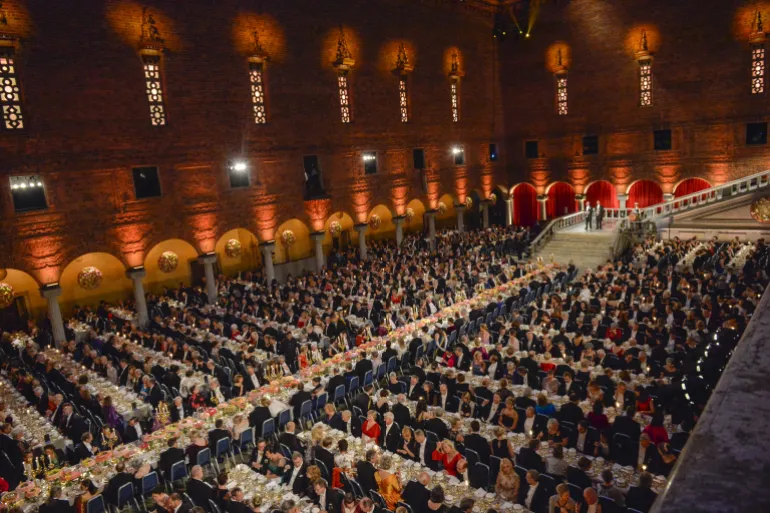
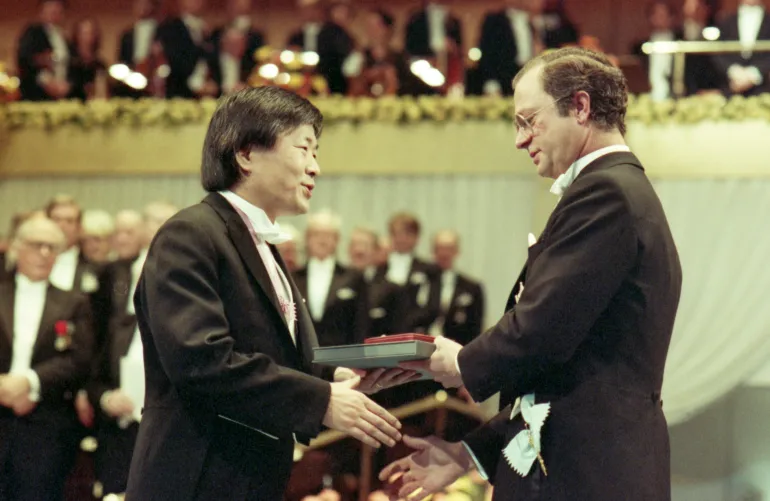
The prizes are awarded on December 10 every year, the day Alfred Nobel died in 1896. Ceremonies for physics, chemistry, medicine, literature and economics are held in Stockholm, where the King of Sweden presents medals and diplomas to the winners, and the ceremony is followed by the famous Nobel banquet in the city hall.
The Peace Prize will be presented in Oslo by the Chairman of the Norwegian Nobel Committee.
During Nobel Week, laureates also participate in lectures, scientific meetings, press conferences and public events.
Can 4 scientists win together?
no. The regulations stipulate that the amount of a single prize may not be divided between more than three people. The award can be divided between two different works, or given to two or three people who participated in the same work.
This does not mean that the amount must always be divided equally. In some cases, a winner receives half the prize and other winners share the remaining half.
49 times without a winner
Despite the award’s popularity, some of its branches are not awarded in all years. From 1901 to 2025, the Nobel Prizes were withheld 49 times, most of which were during the First and Second World Wars.
Physics was not awarded on 6 occasions, chemistry on 8 occasions, medicine on 9 occasions, literature on 7 occasions, and peace on 19 occasions. The Economic Sciences Prize has not been withheld since its inception in 1969.
The regulations allow the award amount to be postponed to the following year if there is no work that meets the required level, and if it cannot be awarded later, the amount is returned to the foundation’s funds allocated for the awards.
From 17 to 97 years
Nobel records reveal a huge age gap between the youngest and oldest laureates. Malala Yousafzai is the youngest Nobel laureate in history, as she received the Peace Prize in 2014 at the age of 17.
In physics, Lawrence Bragg was the youngest winner, as he obtained it in 1915 at the age of 25 years.
The youngest winner in medicine is Frederick Banting, who received the award in 1923 at the age of 31 for the discovery of insulin.
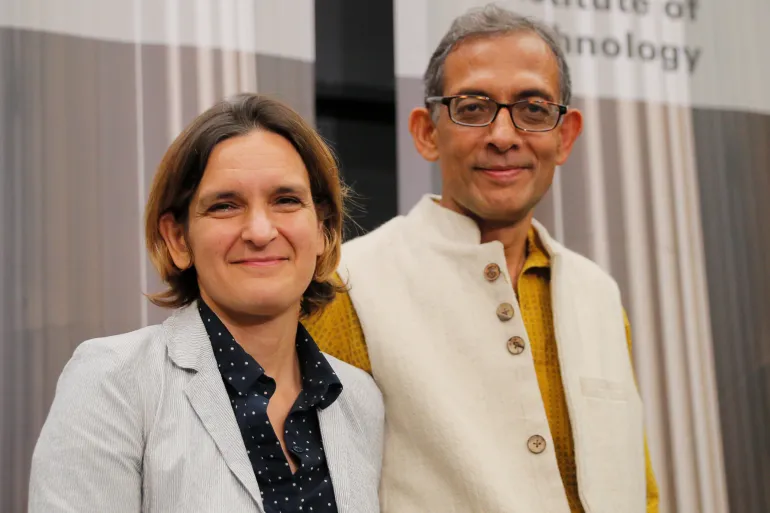
In literature, Rudyard Kipling holds the record after winning it in 1907 at the age of 41, while Esther Duflo was the youngest recipient of the Economic Sciences Prize when she won it in 2019 at the age of 46.
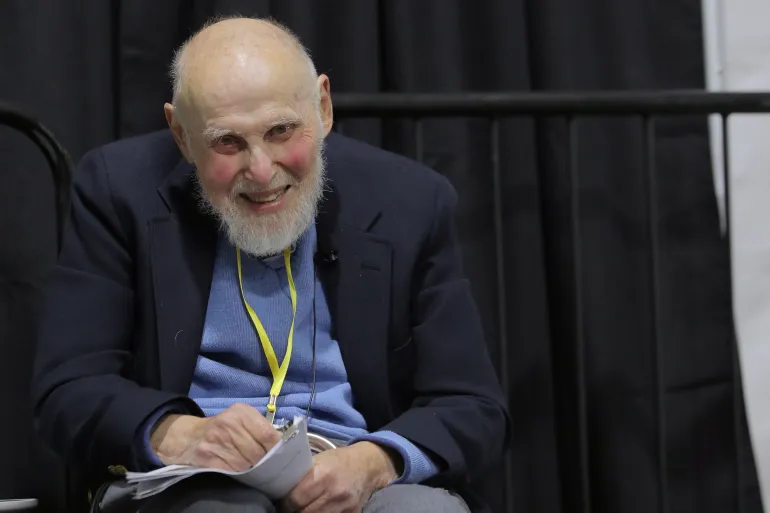
On the other hand, chemist John Goodenough remains the oldest winner in the history of the awards, after he won the Nobel Prize in Chemistry in 2019 at the age of 97 for his contributions to the development of lithium-ion batteries.
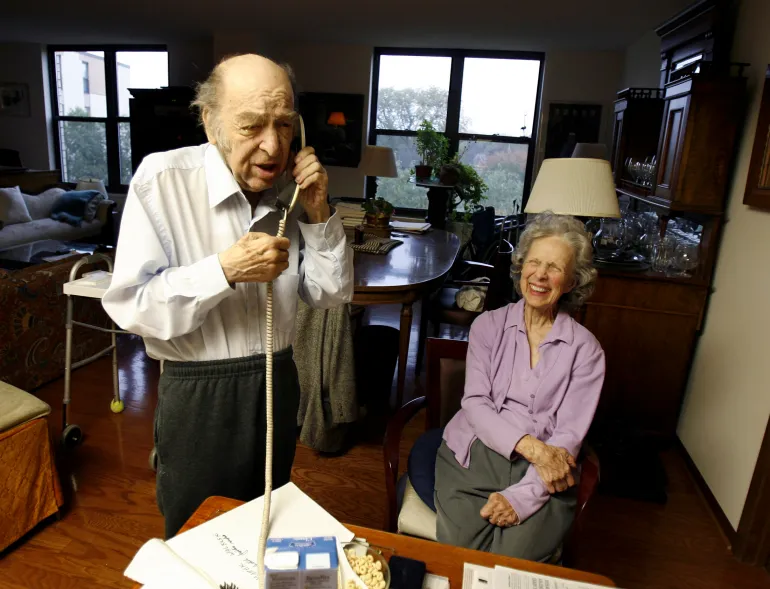
He is followed in physics by Arthur Ashkin, who won in 2018 at the age of 96, while Leonid Hurvich is the oldest winner of the Economic Sciences Prize after he won it at the age of 90 in 2007.
67 women… and 68 wins
Between 1901 and 2025, the Nobel Prize and the Prize in Economic Sciences were awarded 68 times to women, but the number of actual winners is only 67 women.
The reason is that Marie Curie won twice: in physics in 1903 and in chemistry in 1911.
Winners said “no” to Nobel Prize
Despite the value of the prize, two people refused it willingly. The first is the French writer Jean-Paul Sartre, who rejected the Nobel Prize in Literature in 1964, in line with his position of rejecting official awards.
The second is Vietnamese politician Le Duc Tho, who rejected the Peace Prize in 1973, saying that conditions in Vietnam did not allow him to accept it.
But others did not refuse willingly. Adolf Hitler prevented three German scientists, Richard Kuhn, Adolf Butenant, and Gerhard Dommack, from accepting their awards. They were later able to obtain medals and diplomas, but they did not receive financial rewards.
Russian writer Boris Pasternak was also forced to reject the Nobel Prize in Literature in 1958 after he had initially accepted it, under pressure from the Soviet authorities.
When the news comes that Nobel is behind bars
Five Nobel Peace Prize winners were in detention at the time their wins were announced. They are Carl von Ossetsky, Aung San Suu Kyi, Liu Xiaobo, Alice Bialiatsky, and Narges Mohammadi.
Is it possible to win a Nobel Prize posthumously?
Since 1974, the Nobel Foundation’s regulations do not allow the prize to be awarded to a person who died before the decision to award it to him was made. Before that date, the prize had been awarded posthumously only twice: to Dag Hammarskjöld for peace in 1961, and to Erik Axel Karlfeldt for literature in 1931.
But there is a famous exceptional case that occurred in 2011, when scientist Ralph Steinman was announced as the winner of the Medicine Prize, and then it turned out that he had died three days before the announcement.
The Nobel Foundation decided to keep the award because the committee made its decision without knowing of his death.
Why is the Peace Prize awarded in Norway?
Alfred Nobel chose in his will that a five-member committee elected by the Norwegian Parliament would be responsible for the Peace Prize, while entrusting the rest of the prizes to Swedish institutions.
At the time of writing the will, Sweden and Norway were politically united, before their union ended in 1905.
But the exact reason why Nobel allocated the Peace Prize to Norway is still not known with certainty, as it was not explained in his will or in any other known document. Since then, the Peace Prize has been awarded in Oslo, while the rest of the awards are awarded in Stockholm.