

Researchers from the Japanese University of Osaka have developed a new nanoparticle technology that efficiently disintegrated the DNA pressure to conduct fast and easy genetic tests.
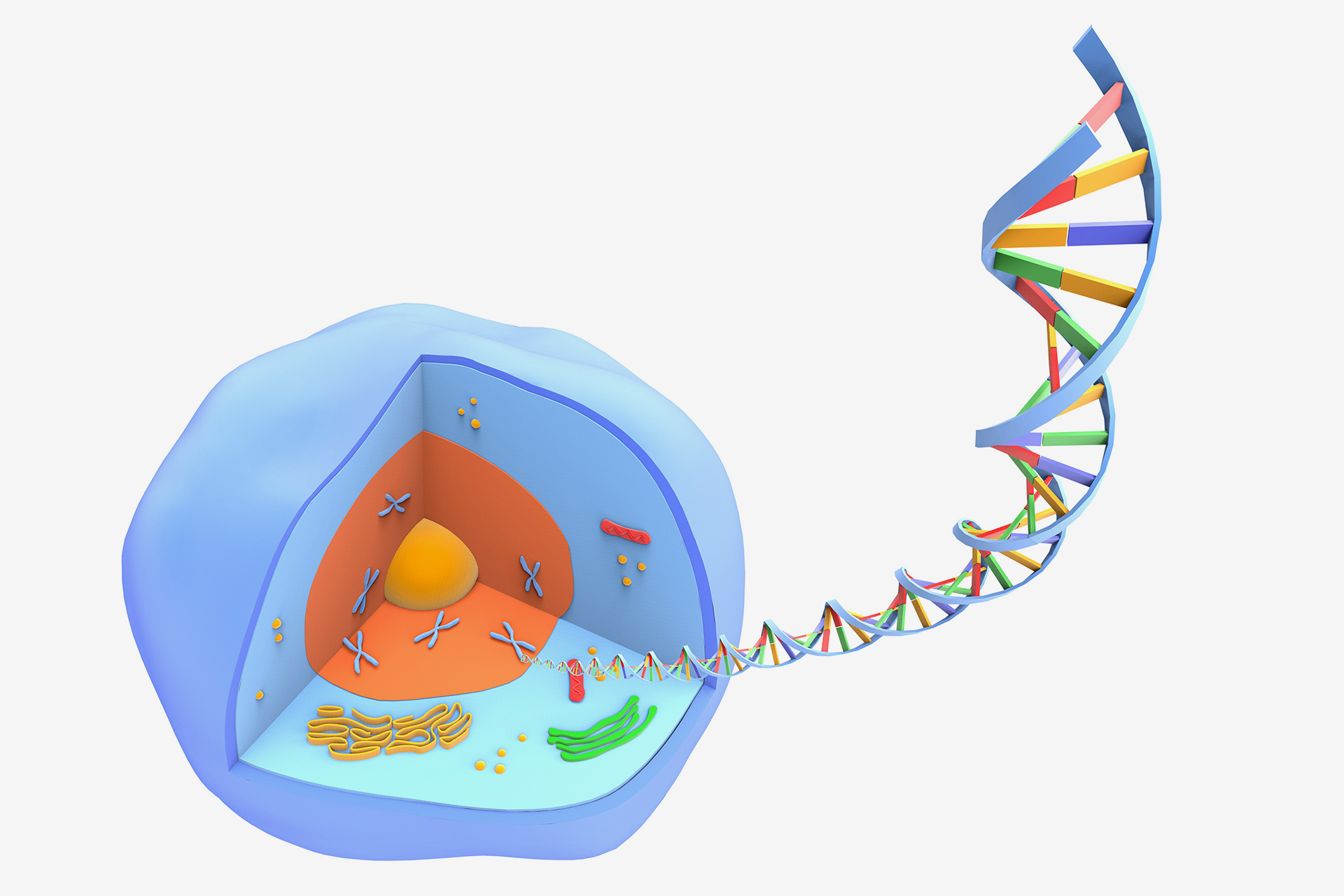
DNA is found in the nucleus of the living cells, where it takes the shape of a double spiral ladder consisting of two strips and is wrapped and condensed, to form chromosomes that carry the physical and moral characteristics of living organisms.
The DNA holds the instructions that say “who we are.” If we want to read these instructions or understand our willingness to genetic disorders, we must decipher the dual spiral acid structure carefully, and this process is neither easy nor fast, and includes severe heating and chemicals that can damage the DNA, so the research team has developed a new technology that facilitates a miniature heater to accurately and gently decipher the DNA.
The device uses a very small nania platinia file. When the DNA thread reaches the nanoparticles – a very small hole in the device applies an electrical effort to the file – the heat opens the DNA, allowing one tape to be read each time.
The results of the study were published in ACS Nano on July 29, and Yurrick Alert wrote about it.
“The most important advantages of the new method are not the need to heat the entire sample, but only a small part of it, and this means that the process only needs a lot of energy, which reduces DNA damage, and enables us to read information from it with more accuracy.”
A laboratory you carry in your hand
The team tested the new method using a long DNA molecule of a virus that contains approximately 50 thousand base pairs, in addition to a small adhesion, which is a molecule of genetic material found in bacteria and some other microorganisms.
A small amount of heat was sufficient to decompress both plasmid and the longer DNA. The exact heating method also allowed the team to control at a time and how to decipher the DNA molecule, regulate its speed, and monitor its passage through nanoparticles using electrical signals.
This detailed information allowed the team to conclude how the DNA molecule movement was affected by electric powers and temperature, all of which are valuable data for additional improvements in the DNA sequence.
“Our device is expected to be easy to manufacture, and we hope that it will become an essential technology for the genome sequence of the next generation quickly and accurately,” says the author, Tomoji Kawai,. He adds that “this device is a microscopic and consumes very few energy, so it can be combined into mobile diagnostic devices, which allows direct access to genetic information that helps in diagnosis and treatment.”
This small and powerful system that works with a heater is a step towards portable genetic test devices, which can be used to determine the presence of genes responsible for cancer or other diseases quickly and easily, and can also contribute to the promotion of personal medicine, allowing doctors to recommend treatments based on the unique genetic information for each person.