

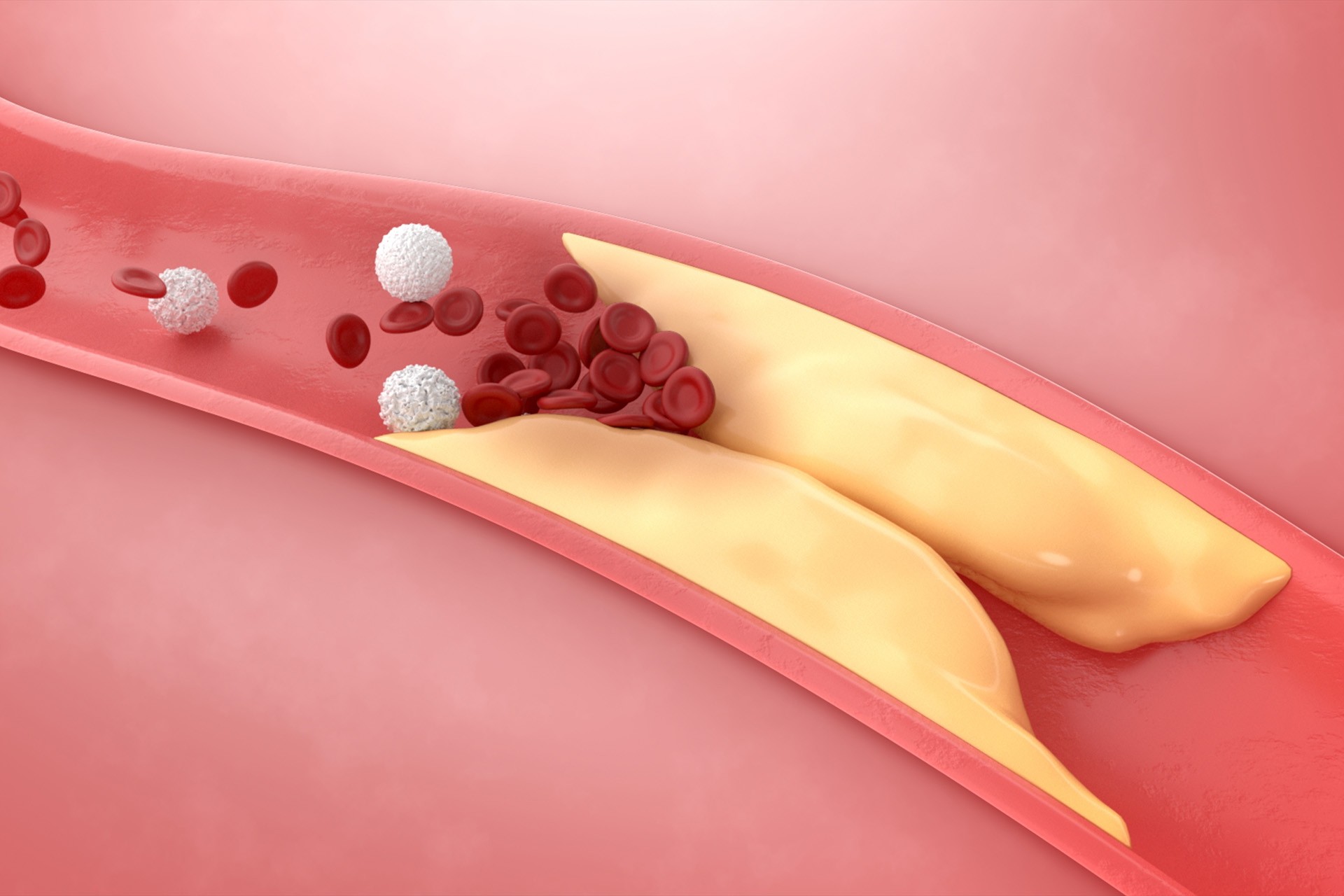
Cholesterol, a type of fat, is essential for cell growth and repair, and the production of vitamin D and steroid hormones such as estrogen and testosterone. But when its levels are very high, fatty deposits can accumulate in the arteries, which leads to their narrowing and hardening.
Sometimes patients do not show any symptoms, but fat accumulation is a major cause of heart attacks and strokes.
Bad cholesterol can penetrate the lining of blood vessels and accumulate. Bad cholesterol is low-density lipoprotein (LDL).
The good cholesterol, known as high-density lipoprotein (HDL), carries harmful cholesterol to the liver and keeps it out of the bloodstream.
High cholesterol is mostly linked to lifestyle, and can be overcome through changes in diet and lifestyle without resorting to medications. So how can we do that?
Eat healthy fats instead of low-fat foods
Lowering your cholesterol level requires reducing your intake of saturated fats such as butter, processed meats, pies, and crackers.
Dr Ali Khavandi, a consultant interventional cardiologist at Solis Hospital in the UK, told The Telegraph: ‘If you want to eat healthy fats, stick to single-ingredient foods such as oily fish, nuts, seeds, olives and avocados.’
He adds, “Many of my patients believe that the healthy choice is to buy anything labeled ‘low-calorie’ or ‘low-fat’. These are usually ultra-processed foods with added sugar. They are low in cholesterol-fighting fiber, and cause a sharp rise in blood sugar levels. All additives and emulsifiers can cause inflammation and upset the balance of gut bacteria, and this ultimately contributes to high cholesterol levels.”
A daily cup of tomato juice
Some studies have found that a diet rich in tomatoes can reduce the level of bad cholesterol and increase the level of good cholesterol, perhaps because they contain lycopene, a powerful antioxidant that can bind to bad cholesterol and help prevent its oxidation.
Eat oatmeal for breakfast
Oats contain a type of soluble fiber called beta-glucan, which turns almost to gel in the stomach and binds to cholesterol, limiting the amount that can be absorbed into the bloodstream.
Get plant sterols
Plant sterols and stanols are molecules that resemble cholesterol in size and shape, and when ingested they prevent the absorption of some cholesterol.
Broccoli, cauliflower, and avocado contain sterols, while stanols are found in peanuts, almonds, and sunflower seeds.
Skip the butter with extra virgin olive oil
The essential fats in extra virgin olive oil (monounsaturated fats) have been shown to lower bad cholesterol and increase good cholesterol.
It also contains antioxidants and anti-inflammatory agents that help protect against cholesterol accumulation in the arteries.