

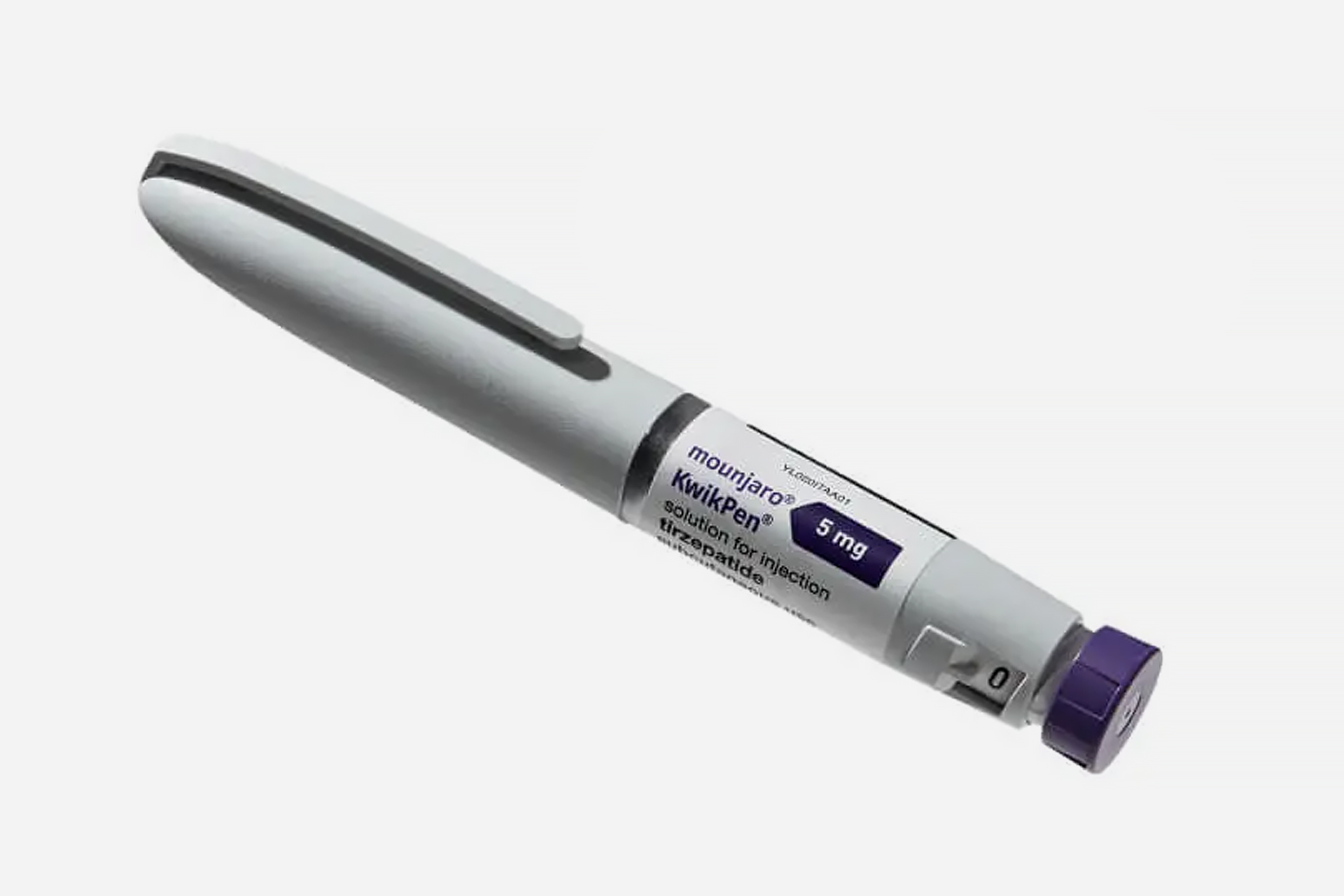
Experts have warned that the popular weight loss injection on which millions depend is not the quick solution that many believe, as users acquire extra weight in just 8 weeks of stopping treatment.
Millions injecting themselves in the world every week with drugs such as “OzemPic”, “Monjaro” and “Wegovy” – buy online or through private clinics – driven by the promises of rapid results.
This weekly injection is known as “GLP-1”, and can enable users to lose up to one-fifth of their bodies in less than a year, stirring up obesity treatment rules upside down.
But experts in metaphysical medicine, from the People’s Hospital at Beijing University in China, now warned that the results may be short -term if patients do not maintain a healthy lifestyle after stopping the injection.
Even those who take our right and more effective and more effective, such as Monjao, they were found to be weight as soon as the treatment stops.
Half -weight
The researchers, led by Professorine Xiaing Kai and Lingong G, found that even those who took Trezeebaride regained nearly half of the weight they lost previously after stopping taking the medicine and turning into an imaginary drug.
While the study, published in BMC Medicine, did not explain exactly the reason for people returning to gain weight so quickly, researchers speculated that this may be due to a phenomenon known as the “weight cycle”.
This refers to the process of restoring weight after stopping treatment, and it can be due to a number of factors.
Ozmbek, Wigofi, Mongaru products previously targeted diabetics, but are now famous for rapid weight loss – as appetite and help users to lose weight quickly – but experts now say it may not be the quick solution that millions have been hoping.
One of the possible causes of rapid weight gain after stopping the taking of medications may be hormonal changes in the intestine.
According to researchers, previous studies conducted on very low -energy food systems have shown that weight loss causes harmful hormonal changes in the intestine, which may affect weight restoration after treatment.
Professor Kai said, “This harmful hormonal change in the intestine causes an increase in hunger levels and a strong desire to eat, which enhances weight restoration,” Professor Kai said.
Difficulty following diets
Other experts, such as Professor Susan Jeep, who did not participate in the study, speculated that weight gain after treatment may be simply due to the difficulty of following diets.
Pimestone is not required when taking medications, so people do not follow effective “behavioral strategies” when stopping taking them.
The injection stimulates weight loss by simulating the work of a hormone secreted in the intestine after eating the so-called GLP-1.
In addition to sending signals to the pancreas to produce more insulin, this hormone nourishes the brain, preventing users from excessive eating.
Side effects
The side effects of common weight loss medications include nausea, constipation and diarrhea after taking the drug, and many users have spoken of their suffering from the difficulty of maintaining weight after stopping to eat it.
Some doctors have also warned that they receive patients with serious complications that threaten their lives, including seizures, bowel obstruction, and pancreatitis. Britain’s Health Care Control Authority (NICE) is currently advising not to use injections for more than two years.
“No one should be surprised if people regain their weight after using GLP-1 drugs without serious attempt to improve their lifestyle,” added Tam Fry, head of the National Obesity Forum.