

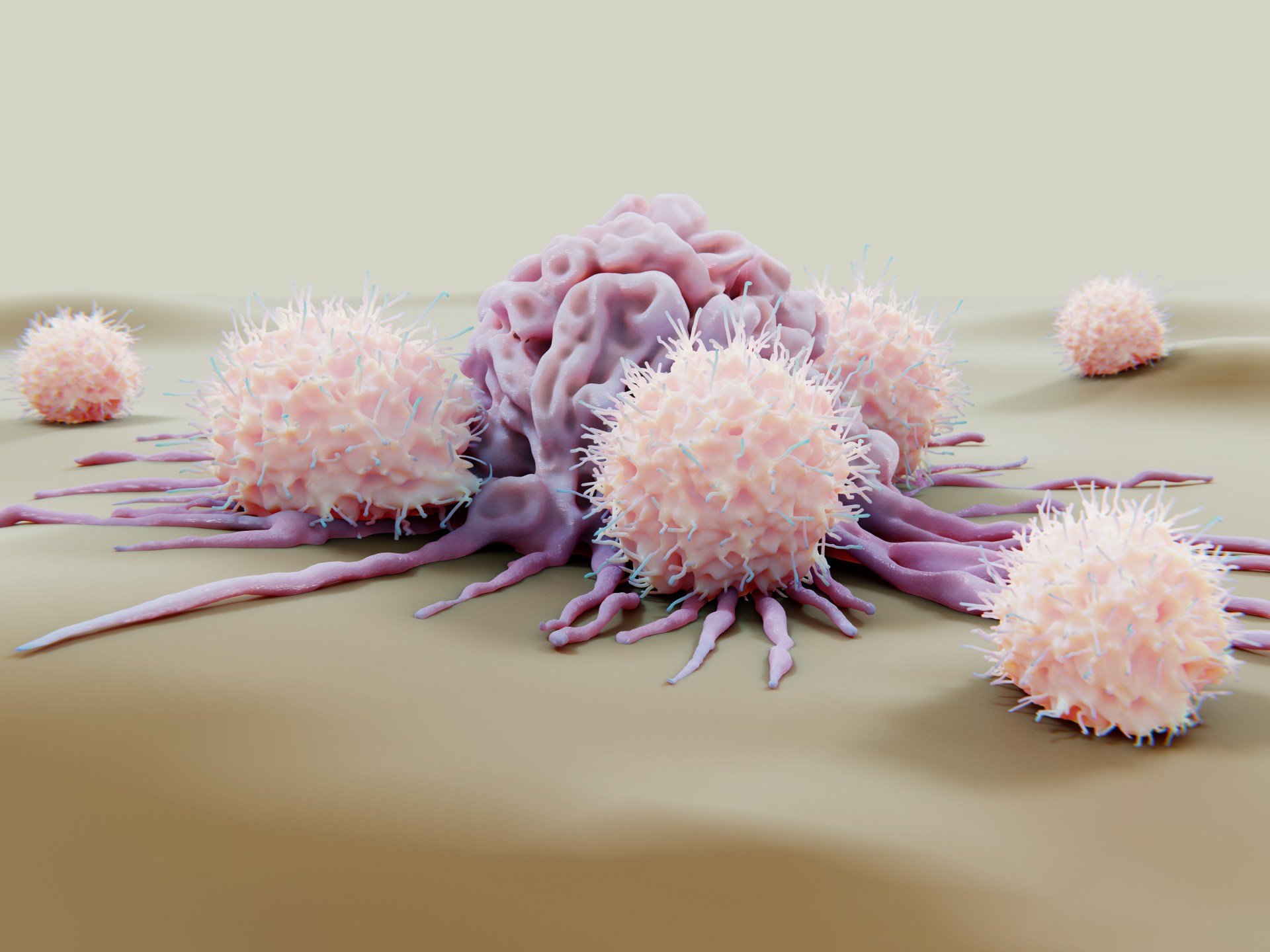
Oman- What is immunotherapy? How can I make a difference in cancer treatment? What is immune cell therapy (CAR-T)? What cancers does it treat?
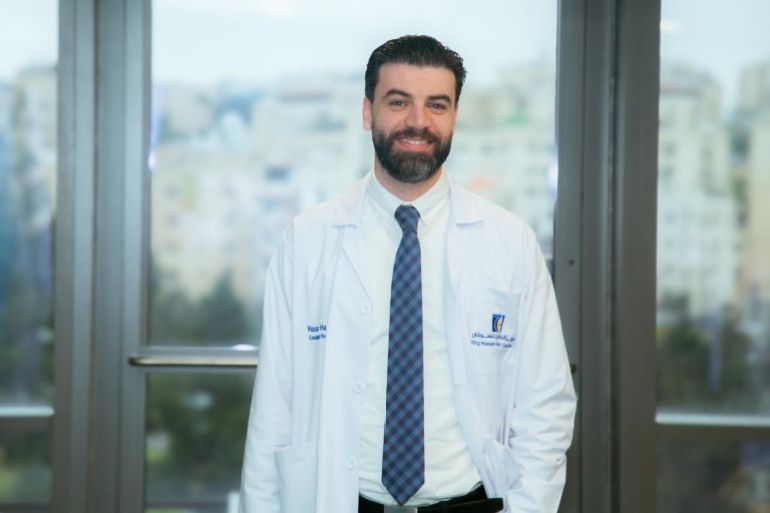
We asked these and other questions to Dr. Samir Yasser, a consultant oncologist and head of the sarcoma and melanoma oncology team at the King Hussein Cancer Center in Jordan, and the director of the blood and marrow transplantation and cell therapy program at the center, Dr. Hassan Hashem.
What is immunotherapy?
Dr. Samir Yasser said that immunotherapy is a treatment method that uses the body’s immune system to recognize and attack cancer cells, unlike chemotherapy or radiation, which directly targets cancer cells.
Immunotherapy stimulates or restores the immune system to perform its natural role in fighting the tumor. It represents a radical shift from treating the disease to enabling the body to defend itself.
How has immunotherapy made a difference in cancer treatment outcomes?
Immunotherapy has significantly improved survival rates in several types of cancers that were previously considered fatal, such as melanoma (malignant skin cancer), non-small cell lung cancer, and kidney cancer.
Some patients who respond to treatment live for long periods without relapse. This type of treatment has changed the concept of sustainable response in oncology.
What are the types and methods of immunotherapy?
Dr. Yasser said that the main types include immune checkpoint inhibitors such as CTLA-4, PD-L1, PD-1 and gene-edited T-cell therapy (CAR-T), anti-cancer vaccines, oncolytic viruses, and bi-specific antibodies.
Each type works in a different way on the immune system. Checkpoint inhibitors lift the immune “brakes,” while CAR-T cells are programmed to recognize specific antigens in cancer cells. Vaccines aim to train the immune system to recognize tumor proteins.
Does immunotherapy have special side effects?
Dr. Samir Yasser answered yes, as it may lead to immunological side effects (irAEs) due to hyperactivity of the immune system.
The organs most exposed to this are the skin, colon, lungs, liver, thyroid, and joints.
Symptoms may range from a simple skin rash to serious infections such as pneumonia or colon, and early diagnosis and rapid treatment with cortisone or immunosuppressive medications are essential to avoid complications.
What are the latest developments in this field?
Recent developments include new generation immune checkpoint inhibitors such as LAG-3 and TIGIT, personalized neoantigen vaccines, and off-the-shelf CAR-T cells.
Combining immunotherapy with targeted or antiangiogenic therapies is also being studied to increase efficacy.
Artificial intelligence and genetic analysis are increasingly being used to identify biomarkers that predict response, paving the way for the era of precision immunomedicine.
Immunotherapy continues to redraw the map of cancer treatment, opening new horizons towards a cure that was once considered impossible.
What is CAR-T immune cell therapy?
Dr. Hassan Hashem said that immune cell therapy (CAR-T) is a modern and innovative treatment for cancer that depends on taking immune cells (T cells) from the patient himself, then genetically modifying them in the laboratory to become able to recognize cancer cells and kill them directly and effectively.
These cells are then returned to the patient’s body to act as a “dedicated army” to fight the tumor.
What types of cancers does CAR-T currently treat?
Dr. Hassan Hashem answered that until now, CAR-T cell therapy is mainly used to treat some blood cancers, such as:
- Acute lymphoblastic leukemia in children and young people.
- Some types of lymphoma are treatment-resistant or relapsed.
- Multiple myeloma.
There is currently advanced research to expand its use in other solid cancers in the future.
How are patients generally selected for CAR-T treatment?
Patients are selected according to precise criteria, the most important of which are:
- The cancer must be one of the types approved for treatment with CAR-T.
- The disease must have failed to respond to conventional treatments such as chemotherapy or bone marrow transplantation.
- The patient’s general health condition must be adequate to tolerate treatment and possible complications.
- The evaluation is carried out by a multidisciplinary team that includes oncologists, marrow transplant specialists, intensive care specialists, and specialized nurses.
What are the most prominent challenges in providing CAR-T treatment in the Arab region, and how was the King Hussein Cancer Center able to overcome them?
Dr. Hassan Hashem said that the most important challenges include:
- Very high cost of treatment.
- Required specialized infrastructure (advanced laboratories, special care units).
- Lack of experience and training in the early stages.
- The need for close follow-up for complications, such as cytokine release syndrome and neurotoxicity.
He added that at the King Hussein Cancer Center, these challenges were overcome through:
- Building international partnerships to transfer expertise and technology.
- Training medical and nursing staff locally and internationally.
- Establishing an integrated infrastructure for cell therapies.
- Providing financial support through patient assistance programs and cooperation with supporting institutions.