

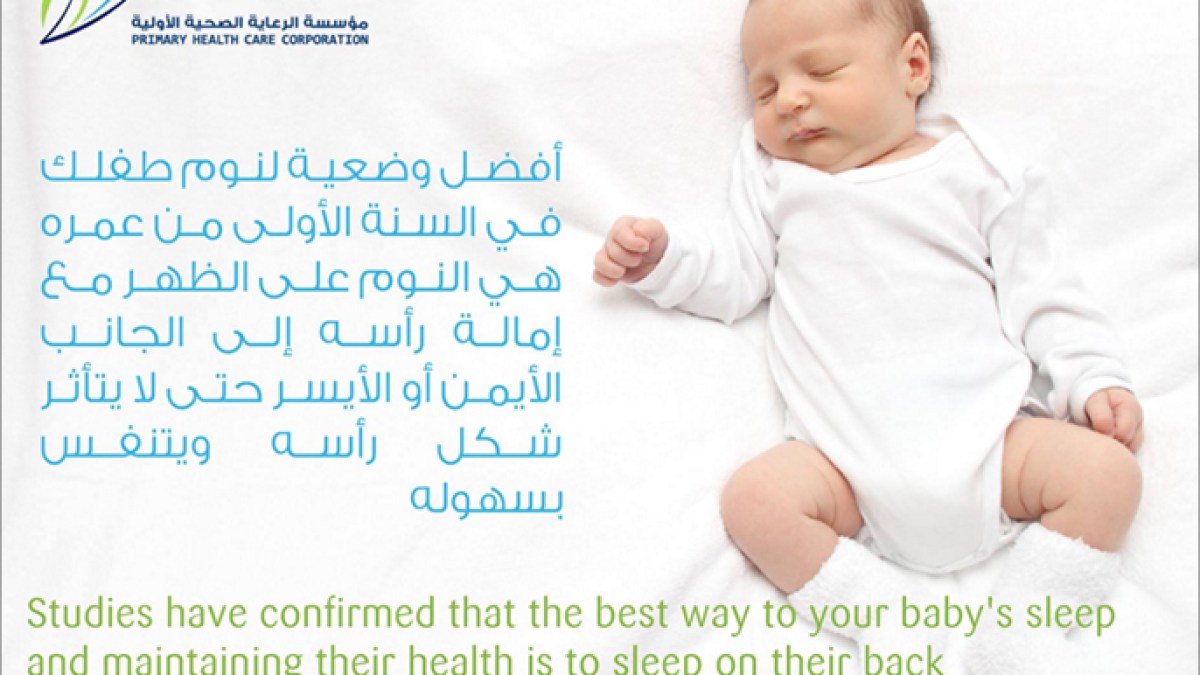
Kissing a newborn baby is dangerous, and many people do not know this fact.
Clinical microbiology expert Primrose Freeston says – in a report on The Conversation website – that late last year, a charity in the United Kingdom called “The Lullaby Trust” published the results of a survey that revealed that 54% of new and expecting parents “ “They will allow friends and family to kiss their newborn babies, without realizing the risk of serious infection.”
But why is kissing a newborn so dangerous?
A baby’s immune system is not fully developed when he is born, so his risk of developing a serious infection is much higher.
Fewer cells
During the first three months or so, a baby’s immune system has fewer infection-fighting innate immune cells, such as neutrophils and monocytes, than adults, which means that infections that cause mild symptoms in adults or older children can be life-threatening in children.
Herpes virus infection is one example of this. In adults, herpes causes sores, but children can quickly become seriously ill after being infected with the virus. If herpes only affects a child’s eyes, mouth or skin, most will recover after antiviral treatment.
But if the virus becomes systemic and affects the child’s organs, the infection is more serious and may be fatal. The younger the baby is, the more likely he is to contract herpes, especially in the first four weeks after birth.
Newborns are also more susceptible to infectious bacteria than older children and adults, and are particularly susceptible to infection with intracellular pathogens (bacteria that can enter and live inside the cells of a host organism) such as group B streptococci (GBS). ). These bacteria often live in the digestive and reproductive tracts of their host without causing disease. Group B streptococcal infections in children cause sepsis, pneumonia, meningitis, and blood infections.
Children are also susceptible to infection with strains of E. coli that are not harmful to adults, causing pneumonia, meningitis and septicemia, all of which can have serious outcomes.
Say: No
Parents with very young children should not feel uncomfortable asking visitors to avoid kissing or touching their children. If the visitor truly cares about the child’s health, he or she should not feel insulted by a refusal. Parents should not feel that they are overreacting.
Always keep in mind that children are very susceptible to infection. Although kissing them is a sign of love, it could make your newborn seriously ill, and you will feel bad if that happens.
General tips to protect a newborn baby from infection
One of the best ways to avoid infection is to be prepared, especially if your child is at high risk.
There are things you can do to help protect your child from common infectious diseases:
1- Wash your hands well
Washing your hands often is really important in fighting infection. When other people come into contact with your child, ask them to wash their hands. Don’t worry about asking people, those close to you will want to help protect your child too.
Hand washing steps
Step 1: Wet your hands and squirt soap into the palm of one hand.
Step 2: Rub your hands together, palm to palm, and spread the soap.
Step 3: Rub the back of each hand with the palm of the other hand, interlocking the fingers.
Step 4: Rub palm of one hand to palm of other hand with fingers interlaced.
Step 5: Rub the back of the fingers with the palm of the opposite hand, interlacing the fingers.
Step 6: Rub each interlaced thumb in the opposite hand and rub.
Step 7: Rub the fingertips into the palm of the opposite hand in a circle.
Step 8: Rub each wrist with the opposite hand.
Step 9: Rinse your hands with water and dry them well.
2- Use disposable wipes
Disposing of tissues helps reduce the risk of infection on surfaces. Use a new tissue every time you need to wipe your child’s nose or eyes, and do not use the same tissue on different parts of his face to avoid spreading the infection. Make sure people around your child use these tissues when they sneeze and cough, then dispose of them.
3- Keep the environment in which your child lives clean
Clean toys, high chairs and countertops regularly, as germs can live for up to 48 hours on surfaces. Make sure any antibacterial cleaners are safe to use around children, and keep them out of their reach.
4- Avoid people suffering from diseases
It is not possible to prevent your child from coming into contact with all types of infections. However, if your child is at higher risk, you should try to avoid contact with adults and other children who have cold-like symptoms (such as a runny nose, sneezing, or generally feeling unwell), or who have an upset stomach.
Asking someone to stay away from your child if they are sick is not rude. You’re helping to protect your child’s health, and people will understand that.
5- Avoid smoking
Smoking is harmful to the health of the smoker and those around him. Infants and children are more susceptible to the effects, and premature babies and those with weak lungs can be seriously affected by cigarette smoke. Tobacco smoke has been found to make the symptoms of many diseases much worse for young children. Even smoke on furniture, clothing, hair, and in a child’s general environment will still have a negative impact on his or her health, even if you don’t smoke near your child.
If your child is at risk of infection, quitting smoking will really help reduce their risk of developing the disease and relieve their symptoms. Quitting smoking is not easy, but it may help keep you and your baby healthy. If someone who regularly interacts with your child smokes, ask them to never smoke near your child.
6- Look…don’t touch
Children often attract a lot of attention when you are out of the house. If someone asks or tries to touch your baby, but you’re concerned about the risk of infection, don’t be afraid to ask them to look instead.
This will help reduce the number of potential infections for your child. Again, it’s not rude to ask this. You could say something like, “Would you mind taking a look at him? He’s spent time in the hospital, so he’s more susceptible to illness.”
If your child is particularly at risk, it is best to try to keep him away from crowds and public places between October and March. This is the time when most people become ill with common infectious diseases.