

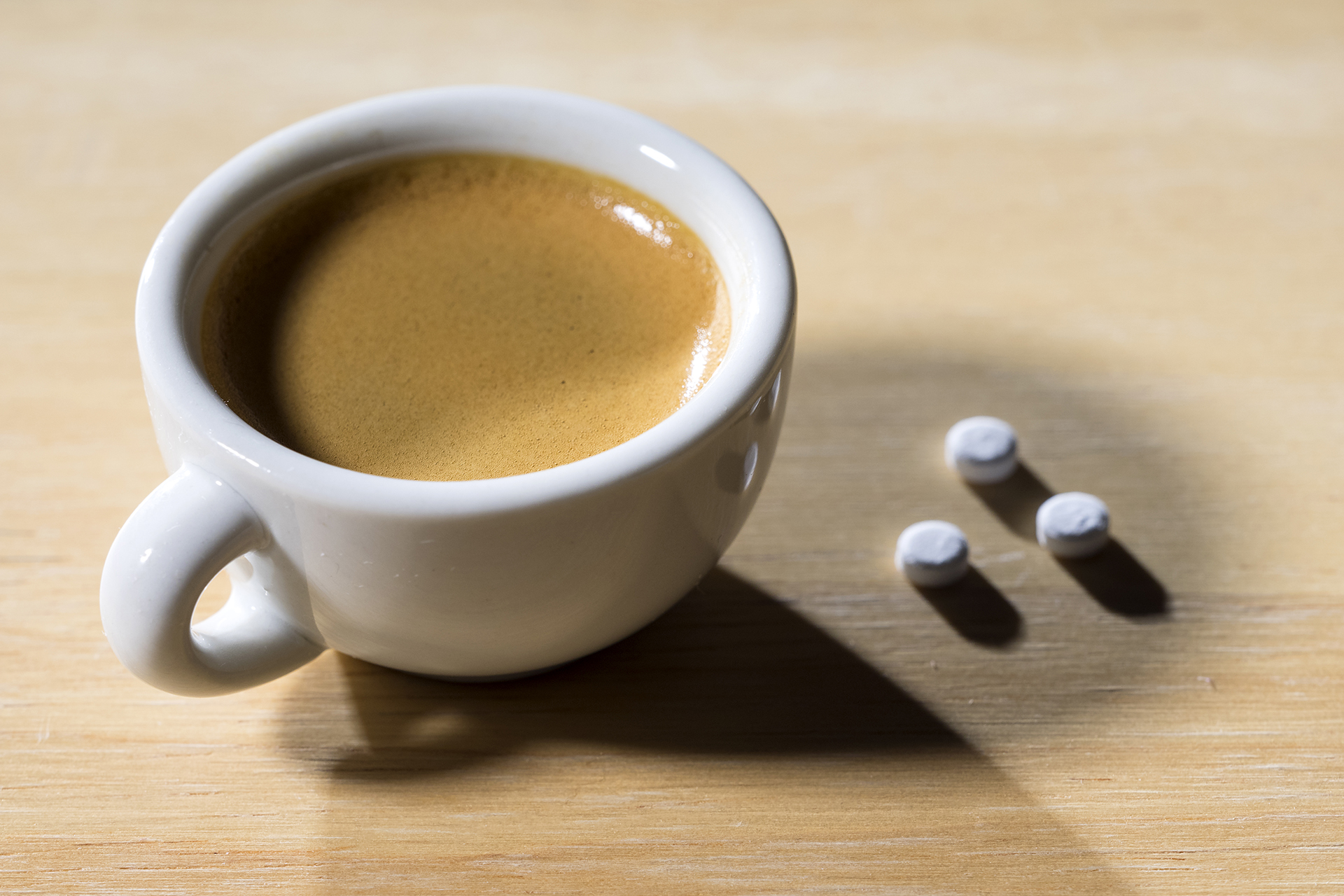
Coffee transmits the atmosphere of activity every morning, which is a healthy drink of high -style, but sometimes your favorite drink may interact with some medications, which reduces its effectiveness or increases its side effects.
What are these medications and how do we balance the taking of medicines in time and drink coffee?
Cold and influenza medications
The caffeine in the coffee speeds up the work of the central nervous system and is considered a stimulant. Dodes, an alarm, is also a stimulant. When eaten together, the nervous system alert can double, which may lead to a feeling of tension, headache, heartbeat, and insomnia.
Many cold medications already contain added caffeine, which increases these risks, and some studies also indicate that the combination of caffeine and sudoifidrine can raise blood sugar and body temperature, which is especially important for diabetics.
The stimulant effects are also a source of anxiety when combining caffeine and drugs for treating hyperactivity and attention disorder, or with asthma drugs such as thiophylene, which is similar in its chemical composition with caffeine. Together, their intake may increase the risk of side effects such as heartbeat and sleep disorder.
Thyroid drugs
Livothexine is the standard therapy for thyroid palaces, very sensitive to timing, and your morning coffee may hinder this. Studies indicate that drinking coffee immediately after eating Levuthexon may reduce its absorption by up to 50%.
Caffeine speeds up bowel movement (the movement of food and waste through the digestive system), which reduces the time available to absorb the drug, and may be associated with it in the stomach, which makes it difficult for the body to absorb it. These effects reduce the biological availability of the drug, which means less of it reaches the bloodstream when needed. This reaction is more common with Levuthexine tablets, less likely with liquid compositions.
In the event of a poor absorption, symptoms of thyroid failure, including fatigue, weight gain and constipation, may even return with the drug.
The same timing base applies to a group of osteoporosis drugs called Pavosofonite, including alindrons and zezidron, which also requires an empty stomach and about 30-60 minutes before eating or drink.
Antidepressants
The interaction between caffeine and mental health drugs may be more complicated. Selective Serotonin Reuptake Inhibits, such as Sertraline and Sitalbram, is widely used to treat depression, anxiety and other psychological conditions. Laboratory studies indicate that caffeine can be associated with these medications in the stomach, which reduces their absorption and may reduce their effectiveness.
Pain analgesics
Some pain relievers that are behaved without a prescription, such as those that contain aspirin or paracetamol, have added caffeine. Coffee can accelerate the absorption of these medications by accelerating the emptying of the stomach and increasing the acidity of the stomach, which improves the absorption of some medications, such as aspirin.
While this may help pain relievers to work faster, it may also increase the risk of side effects such as stomach irritation or bleeding, especially when it is combined with other sources of caffeine. Although no serious cases are reported, it is still recommended to be careful.
Heart drugs
Caffeine may raise blood pressure and heart rate temporarily, and this effect usually lasts from 3 to 4 hours after eating it.
For people who take blood pressure medications, if you are taking irregular heartbeat medications (heart rhythm disorders), this may hinder the effect of the drug.
This does not mean that people with heart disease should completely avoid coffee, but they must monitor their effect on their symptoms, and consider reducing eating or replacing them with adfessy coffee when needed.

What can you do?
Coffee may be part of your daily routine, but it is also a strong chemical compound that can affect the way your body treats medicines. Here is how to make sure it does not affect it:
- Eat Levuthexine or Pisfosfones on an empty stomach with water, and wait 30-60 minutes before drinking coffee or breakfast.
- Caution when taking colds and influenza, asthma treatments, hyperactivity disorder medications and lack of attention, because caffeine can exacerbate the side effects.
- If you are taking antidepressants, or blood pressure medications, discuss your caffeine habits with your doctor.
- Think about reducing your intake of coffee or choosing a caffeine drink if you face side effects such as restlessness, insomnia, or heart palpitations.
Caffeine metabolism varies from person to person, some people feel comfortable after 3 cups, while others suffer from side effects after only one cup. Be careful to respond to your body and speak to the pharmacist or your general doctor if you feel any defect.
If you are hesitant at any time if your medicine and coffee are appropriate, consult the pharmacist or doctor. You may provide you with a short weekly conversation of side effects or reduce the effectiveness of treatment, and help you enjoy your drink with comfort.