

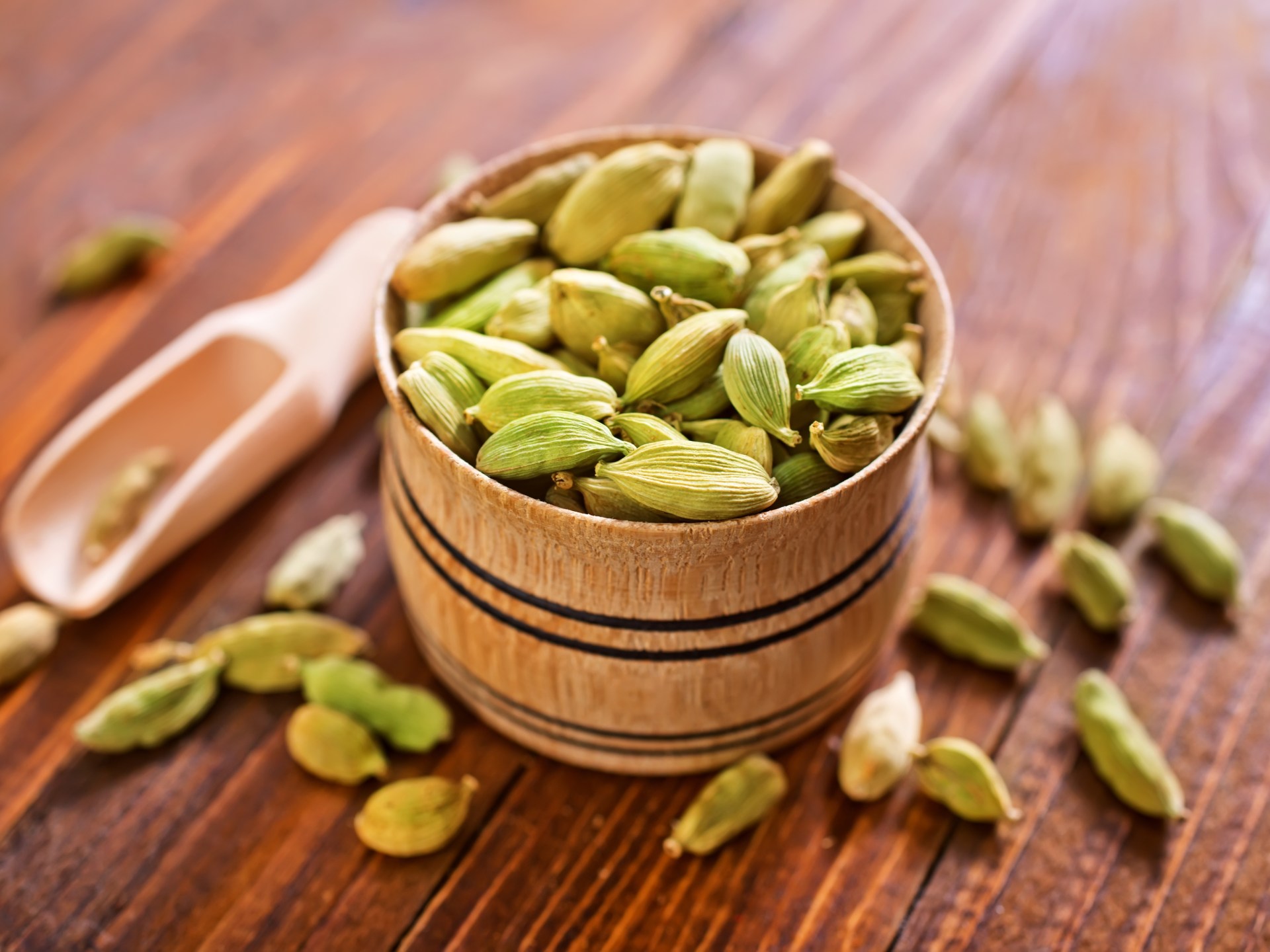
Cardamom has been used medicinally all over the world for thousands of years to treat a number of diseases. It has multiple uses in Arab and international cuisine, where it is added to a number of sweet and salty dishes alike. It is also used in preparing tea and coffee in some countries, which has led some to consider it the king of spices.
A group of international studies over the past decade have praised cardamom’s ability to reduce the effects of chronic inflammation that may cause cancer and heart disease, according to an article published by the British newspaper The Independent.
The medicinal history of cardamom goes back to ancient Greece, where it was consumed to aid digestion after heavy meals, and it was also used to help freshen the breath.
Cardamom, grown in Asia, South America and Africa, contains phytochemicals called flavonoids, which help relax blood vessels and prevent blood clots, according to the Cleveland Clinic.
A study conducted in 2023 revealed that cardamom can help lower high blood pressure.
Antibacterial
Cardamom, extracted from the pods and seeds of the cardamom plant, has antibacterial properties. For example, using cardamom extract was effective in treating gum diseases, according to a study conducted by researchers from Tunisia and Canada.
It also helps prevent Porphyromonas gingivalis, one of the most common strains of bacteria associated with this condition, which can lead to dental complications such as gingivitis.
Using cardamom can help reduce coffee cravings, according to the University of Wisconsin-Stevens Point in the United States.
Just a teaspoon of ground cardamom contains just over half a gram of fiber, which is far less than the recommended daily amount of 25 grams. However, women with diabetes who took 3 grams of cardamom extract daily, over the course of two months, noticed lower levels of inflammation compared to those who did not take cardamom, according to a study conducted by Iranian researchers.