

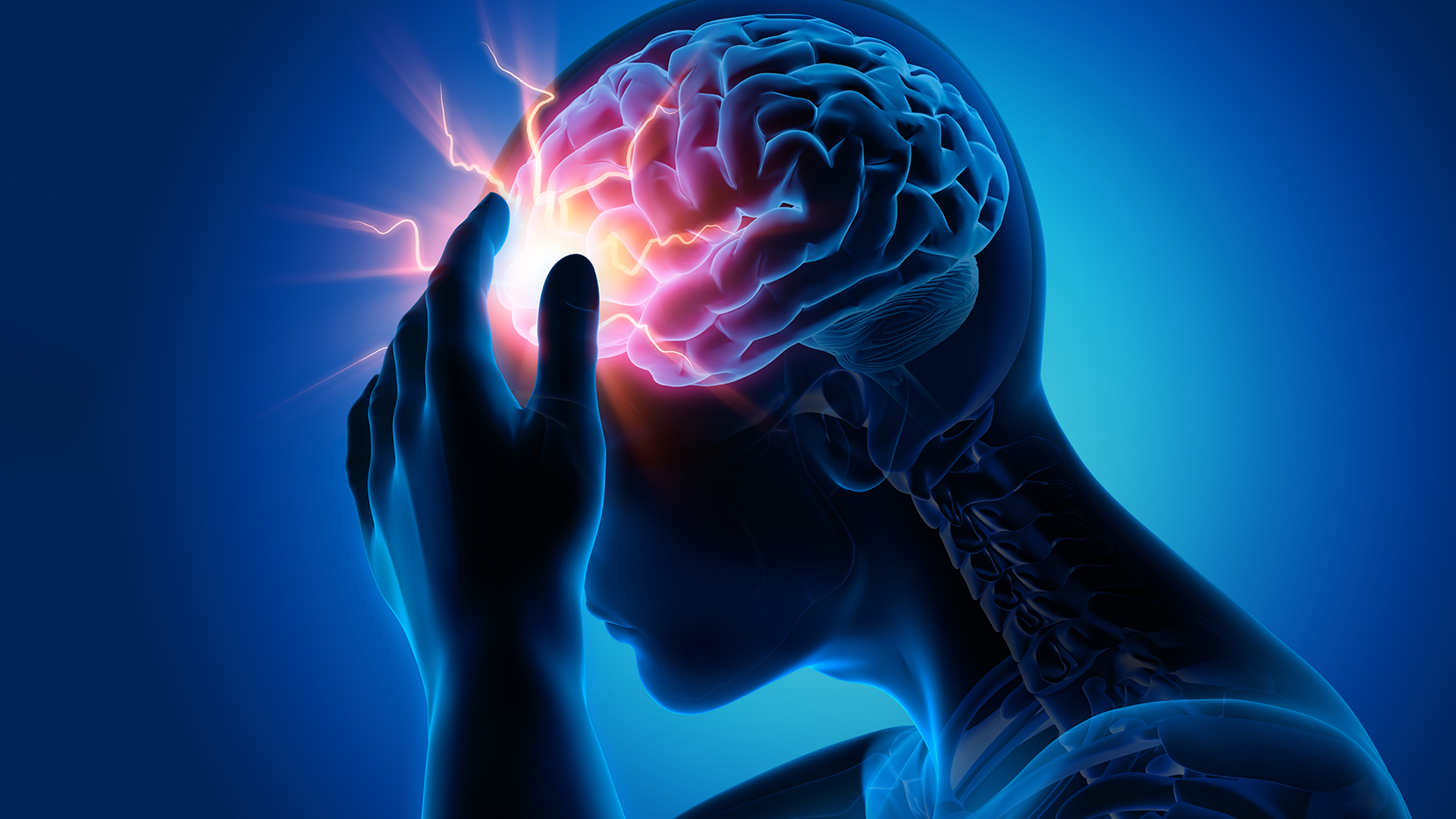
Epilepsy is one of the common chronic neurological diseases. So what is it? How can seizures be faced?
To answer these questions, Dr. Uwe Mayer said that epilepsy is a group of neurological disorders that result from disruption of electrical signals in brain cells and is characterized by recurrent seizures.
The head of the Professional Association of German Neurologists explained that during an epileptic seizure, the brain or specific areas of it become in a state of hyperactivity, as too many nerve cells discharge their electrical charge at the same time, leading to severe convulsions, loss of consciousness, and major disturbances in perception.
Possible causes
Mayer added that the causes of most cases of epilepsy are not precisely known, noting that some cases occur as a result of brain injury, stroke, brain tumors, brain infections, or birth defects, while known genetic mutations are directly linked to a small percentage of cases.
Studies also indicate that having Tourette syndrome increases the risk of epilepsy, which is a hereditary neurological disorder that appears in early childhood. Its symptoms are manifested in repetitive involuntary nervous movements such as blinking, coughing, throat clearing, and facial movements, in addition to recurrent vocal syndromes.
In general, seizures are often harmless and end after a minute or two, but injuries may occur if the affected person falls down the stairs, for example, or collides with a table. In some cases, loss of consciousness may be very serious, for example during climbing, driving and swimming.
Sudden epileptic death
There are also sudden and unexpected deaths among epilepsy patients, known medically as “sudden epileptic death.” These cases are rare complications, but they are worrying because their cause cannot be accurately determined.
In these cases, the victim suffers from shortness of breath or a heart rhythm disorder, which may lead to sudden death.
Seizure prevention
The German neurologist stressed the importance of taking medications correctly and adhering to the regimen prescribed by the treating physician, as this protects against seizures and thus from dangerous complications.
Following a healthy lifestyle also contributes to the prevention of seizures, as one should quit smoking, get enough sleep, and avoid psychological stress.
Systems for detecting epileptic seizures
The German Epilepsy Society indicated that there are systems for detecting epileptic seizures, for example wearable devices placed on the body to record changes in heart rate and other indicators, or bed and movement sensors, but these systems cannot reliably detect all types of seizures and cannot yet predict them.
However, these systems can reliably detect so-called tonic-clonic seizures and can, for example, sustainably reduce the risk of sudden epileptic death.
What to do if you experience an epileptic seizure?
When seeing a person suffering from an epileptic seizure, the Epilepsy Society stressed the need to secure the area around him, for example by removing tables and protecting the injured person from any other injury.
At the same time, it is not permissible to restrain the injured person, nor is it permissible under any circumstances to place anything between the teeth, as this may cause a risk of suffocation, while it may be useful to place a soft jacket under the head.
If the epileptic seizure does not stop within 5 minutes, an ambulance must be called immediately and emergency medications should be given if available.