

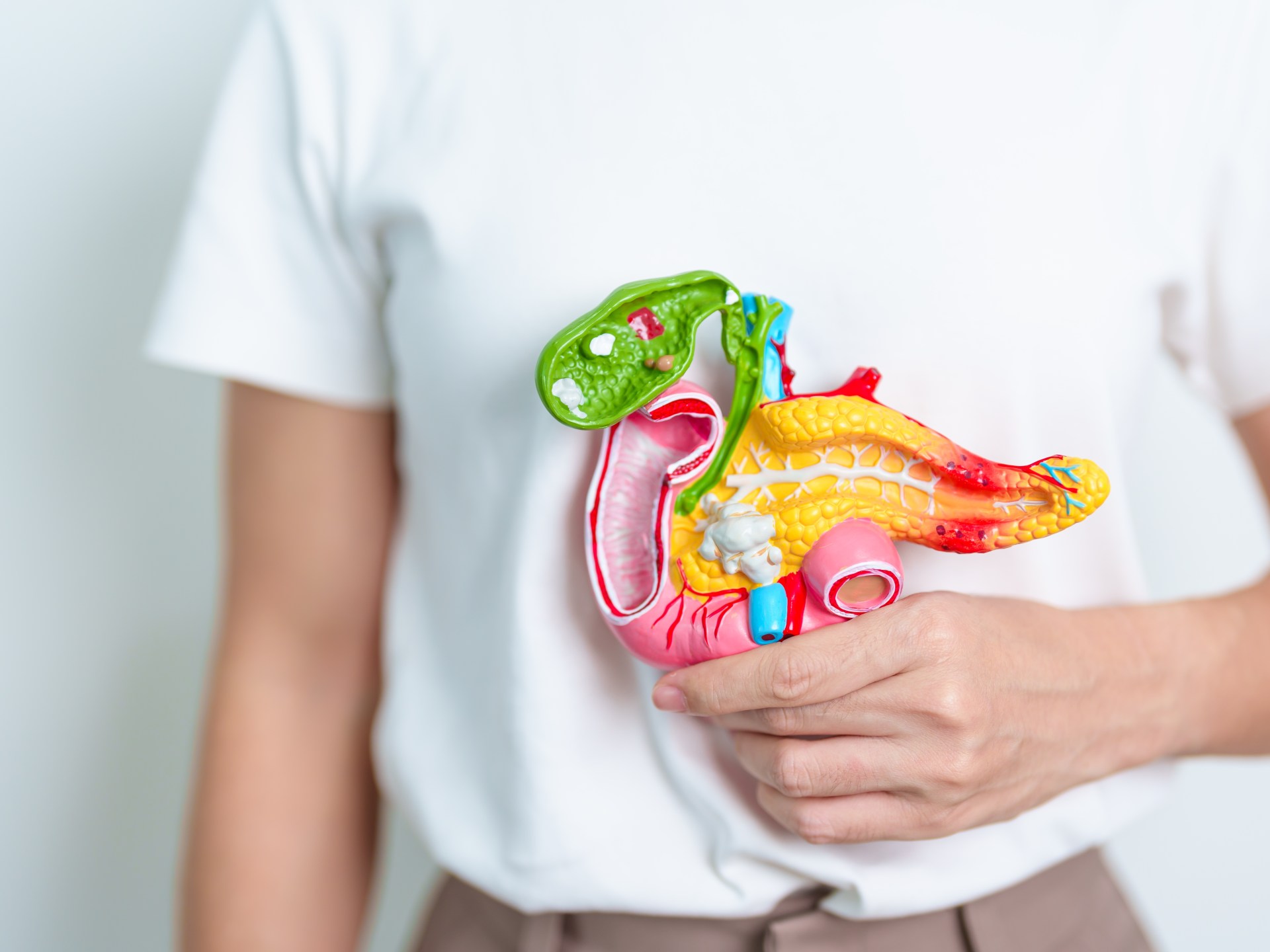
An international team of researchers for the first time has developed a model for the cells of the human benzer islands derived from the integrated blood vessels. The islands are cellular groups in the pancreas that include different types of hormone -secreted cells, including insulin -producing beta cells.
Researchers found that the oriental benchi -carrots ’orgasms with blood vessels contain larger numbers of mature beta cells, and Insolina secretes more than its non -vascular counterparts. Vascular org on the cells of the pancreas islands in the body more precisely. Members are small organs that mimic the insulin -producing cell groups outside the body.
The study was led by Dr. Miki Sander, the scientific director of the Max Dilbrok Center, in Germany and researchers at the Sander Laboratory at the University of California in San Diego in the United States, and published the results of the study in Development Cell on May 23, and wrote about the Yurrick Alert website.
“Our results highlight the importance of the vascular network in supporting the function of the pancreas cells,” Sander says.
Pancreatic, vascular benchi cell engineering
Pancreatic island cells are widely used to study diabetes and other Bangerian endocrinology. But beta cells in these orgasins are usually immature, making them not ideal for the environment inside the body, says Sander. She adds that despite the development of many methods to enhance the maturity of beta cells, their effects were modest.
To simulate the environment within the best of the live body, the researchers have added a human blanket cells, which are dominated by blood vessels and fibrous cells, which are cells that help in the composition of connective tissue, to carrots that were developed from stem cells.
Try the team different cell transplant environments until they found a successful mix. The cells were not only escaped, but a network of tubular blood vessels that swept and penetrated the islands of the cells.
“Our achievement was to create the recipe. It took five years of experiments in different circumstances, with the participation of a specialized team of stem cell biologists and biological engineers,” Sander says.
When the researchers compared the vessels of blood vessels with vascular organs, they found that the first is secreted by more insulin when exposed to high levels of glucose (blood sugar). “The immature beta cells do not respond well to glucose,” Sander says. “
More mature members
The researchers then wanted to explore how to help the blood vessels to mature. They found two main mechanisms, which help the ventricular cells and fibroids in building the matrix outside the cell, which is a network of proteins and carbohydrates on the surfaces of the cells. The formation of the matrix itself is a sign of cell maturity.
Second, the blanket cells secrete the bone protein, which in turn stimulates beta cells to mature. Increase that the mechanical forces also stimulate the secretion of insulin, the team then combined the orgasms into the liquid delicate devices, allowing the medium to be pumped directly through its vascular networks. They found that the percentage of mature beta cells has increased more.
“We have found a gradual,” Sander says, “contains a greater percentage of blood vessels that do not have blood vessels, and have ripened more of them with the formation of blood vessels.
Sander and her team at the Max Dilbrok Center are growing vascular orgasm from type 1 diabetes cells. It transmits the composition of the organelles on precise chips and the addition of immune cells of patients. “We want to understand how immune cells destroy beta cells,” Sander explains. “Our approach provides a more realistic model for carrot cell function, and can help develop better treatments in the future.”