

People are waiting for the summer to enjoy the sun, and they prepare themselves with days of outdoor relaxation, celebration in crowded festivals and eat outdoors.
But with the joy of this season, a negative aspect that is overlooked is the high risk of infection. Warm weather and increased social interaction facilitate the spread of germs. For this reason, hand washing becomes very important during the summer months, as it is the first line of defense against microbes that spoil the summer plans.
Microbes flourish in warm and wet climates, and we often bring us the activities that we enjoy in the summer of surfaces, food and water sources that help spread the germs.
The doctor writes in medical microbiology Manal Mohamed to the British newspaper Independent on the most crowded places of germs and how do you fear them so that you do not spoil your vacation, so what are these places and how do you protect yourself from germs?
Public water courses and common toilets
External festivals, beaches and camping sites depend on public water sessions. These crowded areas can become a hotbed of breeding of bacteria such as coli, salmonella and staphic delicacy, as viruses such as the Norvirus virus and influenza are easily spread through contaminated surfaces, even the Corona virus can remain alive in badly ventilated or unclean environments.
Washing hands well after using public toilets is necessary, and the hand sterilizer may not be sufficient if your hands are very dirty.
It is concerned that even in places where hygiene is very important, such as hospitals, people often ignore this basic step, as a study conducted in 2025 found that nearly half of the hospital visitors did not wash their hands after using the toilet, despite the clear instructions, and if many people neglect washing hands in hospitals where the risks are clear and facilities are easily available, how many people are They ignore this in summer events, where soap water may be rare?
Preparing and eating outdoors
Boy parties and picnics are among the basics of summer, but they come with an aspect of risks where the causes of food transmitted – such as salmonella, coli and waxing infection and cluster cluster disk – flourish in warm temperatures, and even fungi – such as machine guns – can grow on food and produce fungal toxins that may cause nausea and damage or even long -term damage when eating it.
The non -cooked meat is well, poor hands, and leaving food in the sun, factors that may easily convert a ceremonial gathering into a food poisoning seizure. So the hands should be washed before and after dealing with food, especially raw meat, and after touching common surfaces such as tables, barbecues and cooling boxes.
Swimming and playing in water
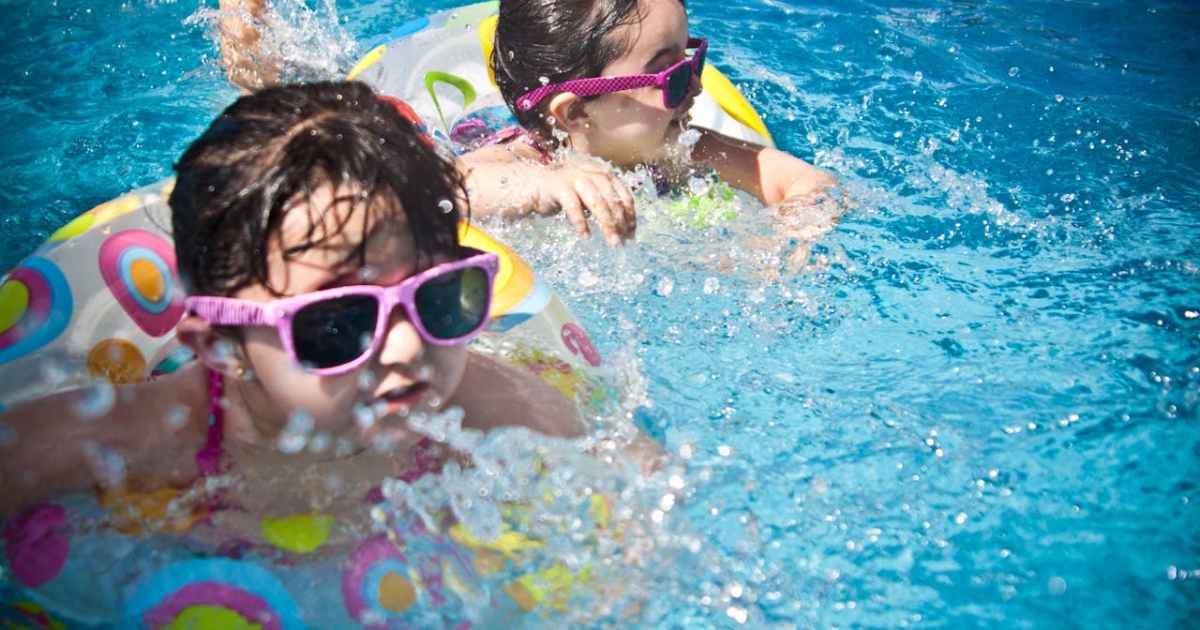
Lakes, rivers, swimming pools and oceans can harbor harmful germs, as it can cause parasites such as chipotosperideium and gyardia intestinal diseases, often resistant to chlorine, and can carry beach sands and sea water with visual bacteria.
So be careful to wash hands before eating or when touching the face after practicing summer activities from swimming, rowing or building sand castles.
Camps, stadiums and festivals
An American study reported that 229 cases of stomach and intestinal inflammation linked to youth camps for seven years. Among the common causes Norofirus, Salmonella and the coli -producing coli of Shiga’s toxins, which is a very dangerous colossal strain that can cause severe disease and even kidney failure.
In one of the accidents, 20 people fell ill and three of them were transferred to the hospital, after eating beef, cooked over the camp, and enhances common toilets, preparing group food and narrow sleep arrangements, the importance of cleaning hands in the camps.
Is it not a good dirty?
Some people believe that leaving children is annulled helping to build their immune system, while early exposure to natural microbes of soil, animals or environment can support immunity growth, but this does not mean ignoring hand washing after using the toilet or before meals. Leaving the hands without washing does not strengthen the immune system, but rather increases the risk of disease, and there are no reliable studies that show that poor hygiene is useful.
The unwashed hands are a major reason for the infection that can be prevented all over the world. Failure to wash the hands is a particularly serious danger to young children, the elderly and people who suffer from weakness in the immune system, and maintaining the cleanliness of the hands is a simple, inexpensive and effective strategy, and its importance is evident in the summer.
So, whether you are walking for long distances or camping, you should wash your hands with soap and clean running water for at least 20 seconds and then dry them well, because wet hands spread the germs more easily.
Use the sterilizer (at least 60% alcohol) if the soap and water are not available, and keep some in your bag when you are unable to rely on public facilities.