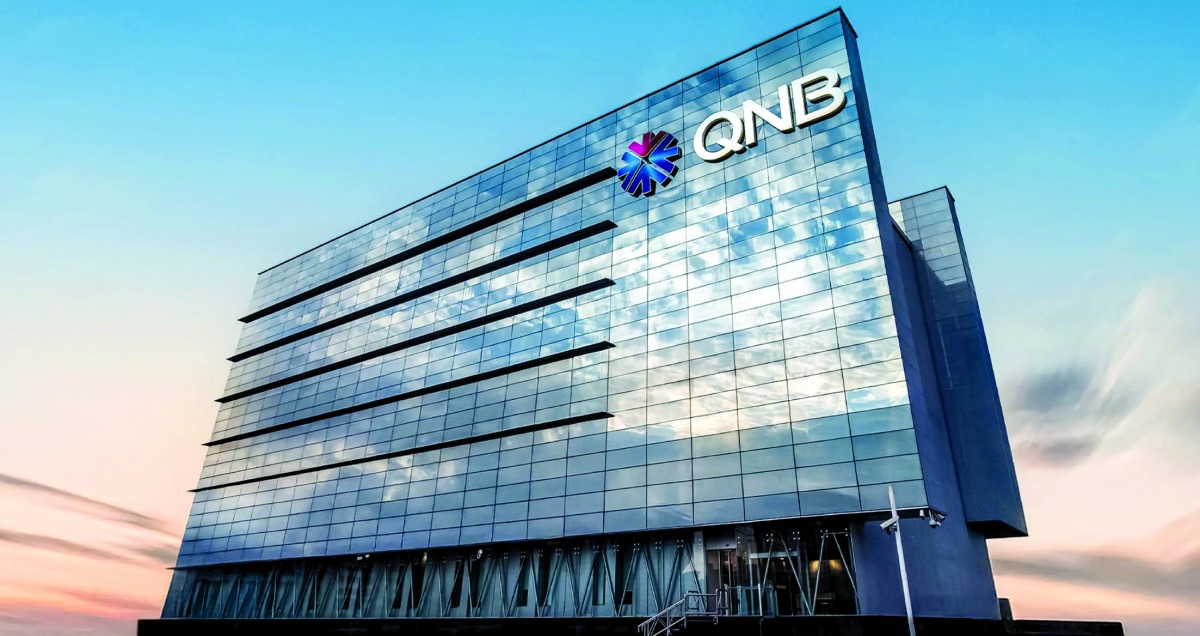
The QNB Group’s weekly report confirmed that China’s five-year development plan for the period (2026-2030) represents a strategic turning point, as its fifteenth edition aims to double the per capita share of gross domestic product by 2035.
The bank explained in its weekly report that achieving this goal depends mainly on increasing productivity gains, which requires tangible progress in technological modernization and digital transformation, in addition to adopting a more consumption-oriented economic model.
The report indicated that this plan reflects an important shift in the course of the Chinese economy, as the focus is no longer limited to GDP growth as a main indicator of national progress, but rather includes strategic goals such as achieving technological self-sufficiency, enhancing national security, and raising the industrial sector to higher levels within global value chains.
He also pointed out that this plan is in line with China’s long-term goal of doubling its per capita GDP by 2035 compared to 2020, which requires achieving an average annual growth of approximately 4 percent, as the economy transitions to a more mature stage.
The report stated that the plan is based on five main interconnected priorities, the first of which is building a modern industrial system through modernizing manufacturing and developing advanced technology, the second is enhancing domestic consumption as a primary driver of growth, and the third is accelerating the transition towards a green economy by reducing carbon emissions.
It is also based on supporting social policies such as employment, child care, education, and retirement coverage in a way that enhances productivity, in addition to expanding the scope of openness to foreign investment in strategic sectors while reducing dependence on the dollar-based financial system through the internationalization of the renminbi and the development of an independent system for cross-border payments.
The bank believed that these priorities collectively reflect a development model that achieves a greater degree of balance and self-sufficiency than any previous five-year plan.
In the industrial context, the report indicated that the strategy is based on strengthening the digital economy and raising its contribution to the gross domestic product to about 12.5 percent by 2030, in addition to achieving progress in areas such as semiconductors, biotechnology, quantum computing, advanced materials, and space in addition to sixth generation technologies, while modernizing traditional industries through automation and digitization, which reflects a trend to build an economy that produces and integrates advanced technology.
The bank said that one of the most important priorities of the fifteenth edition of the five-year plan is to focus on family consumption as a driver of domestic demand. While investment, infrastructure, and exports remain basic pillars of the Chinese economy, the plan attaches greater importance to expanding the role of private consumption in supporting growth, which means enhancing the scope of support allocated to child care to ease the financial burden on young families, expanding the pension umbrella to give older families confidence in spending instead of saving, and improving working conditions to support income growth among the working-age population.
Regarding the “green” transition, the report explained that the plan sets clear goals, including reducing carbon intensity by about 17 percent by 2030, and increasing the share of renewable energy to approximately 25 percent of total consumption, which reflects a shift from focusing on energy consumption to directly controlling emissions.