

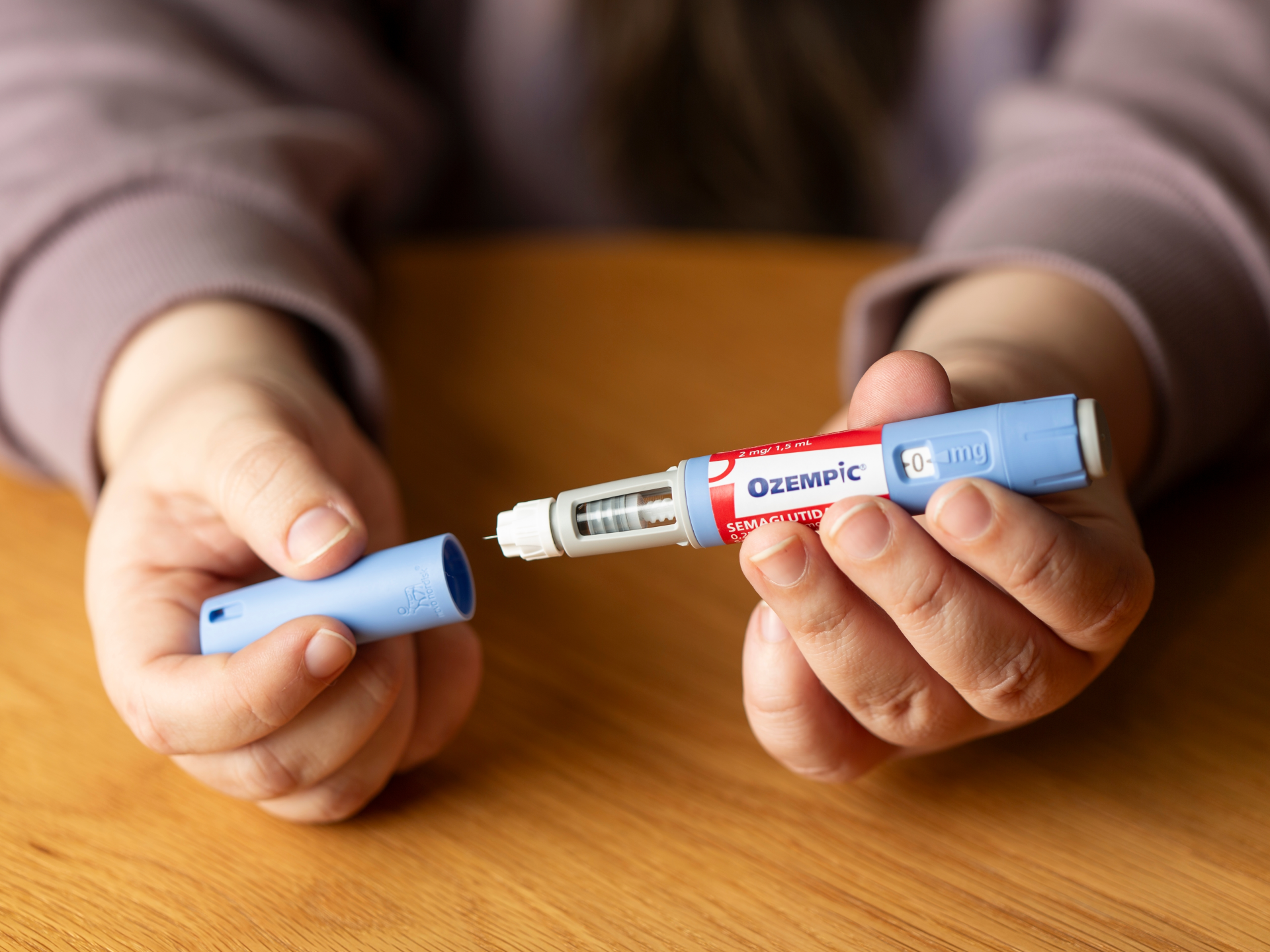
The controversy surrounding weight loss medications and their effectiveness in achieving their goals is escalating globally, in light of the rapid rise in obesity and overweight rates among different age groups>
With the variety of options available for weight loss (diets, weight loss surgeries, and slimming medications), people have noticed a demand for weight loss medications since the first drug semaglutide (Wejovi) was licensed in 2021.
A study published in the journal JAMA in late October 2024 showed that the use of weight-loss medications increased by nearly double, compared to obesity surgeries, which decreased by 25.6%. The study analyzed data on approximately 17 million people subject to health insurance in America between 2022 and 2023.
Unlicensed Ozambiks are seeing demand
The increase in demand for the licensed weight-loss drug Wijovi, along with its lack of availability in the markets, constituted a problem that prompted many people who wish to lose weight to turn to options available in the markets in greater abundance and at a lower cost, most notably Ozempic, which is licensed to treat type 2 diabetes by reducing the glycemic index.
Attention turned to Ozambik after the remarkable results he achieved in losing weight, and his popularity increased in our Arab region as an alternative option to get rid of obesity for non-diabetics, relying on undocumented information or personal experiences, either from those close to him or what was spread through social media. These campaigns are led by celebrities and “social platform influencers” whose influence has become stronger among different segments of society.
Is Ozambik medicine really effective and useful? What are the damages recorded so far?
Ozambik benefits documented by studies
The response to weight loss medications from the semaglutide class varies from one person to another. According to one of the most prominent studies (STEP 1 trial), which formed the cornerstone in confirming the effectiveness of semaglutide weight loss medications, the clinical health gains associated with weight loss begin to appear when losing 5% of body weight.
The study, the results of which were published in the journal NEJM in 2021, tested the drug in an experiment in which 1,961 adults suffering from obesity or overweight only (who did not have diabetes) participated. They received a dose of 2.4 mg of semaglutide weekly for 68 weeks, and 86% of them were able to achieve the goal of losing 5% of their weight while following a healthy lifestyle.
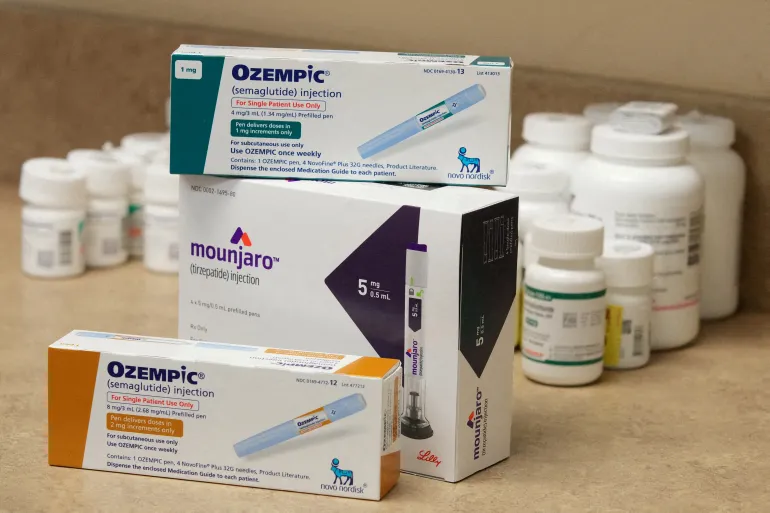
The most prominent health benefits of Ozambik
A scientific review published by researchers from the University of Jordan in 2025 stated that semaglutide medications, such as Ozempic, have benefits not only for weight loss, but go beyond that in some studies. It has shown its ability to improve liver health by reducing fat accumulation and improving liver enzyme levels, which contributes to the treatment of fatty liver conditions associated with metabolic disorders.
The review also pointed out the role of these medications in supporting heart health, by reducing the risk of strokes and heart attacks and reducing levels of inflammation.
In addition, it can help control obesity-related polycystic ovary syndrome in women, and provide kidney protection in diabetics or those with chronic kidney disease.
The benefits were not limited to that, as the review showed that semaglutide has potential effects in protecting the brain, by reducing oxidative stress and improving neuronal function.
Despite the positive results that researchers concluded after reviewing studies published between 2021 and 2024, they stressed that there are a number of limitations that should be taken into consideration, most notably the lack of clarity about the long-term effects of semaglutide on heart health, in addition to recording some cases that witnessed a deterioration in cardio-metabolic indicators, or weight regain after stopping treatment.
They also pointed out the lack of human studies that investigated the protective effects of these drugs on the nervous system.
In contrast, the results of a trial published in the New England Journal of Medicine (NEJM) in December 2023 showed that semaglutide could be effective in reducing death rates resulting from serious heart problems, such as myocardial infarction, heart attacks, or strokes, in obese patients with a previous history of heart disease, even if they do not have diabetes.
The study, which was conducted under the supervision of an international team that included a large number of researchers, followed the effect of semaglutide on 17,604 patients over a period of approximately 40 months. During this period, participants received a weekly dose of 2.4 mg of the drug. However, about 16.6% of patients had to stop treatment due to side effects that they could not tolerate.
Despite the study’s strong results, its generalizability remains limited, due to its focus on patients with a previous history of heart disease, while excluding those who do not suffer from these conditions. It was also criticized for the low representation of women and people with dark skin among the sample of participants.

A study that included 30 patients with type 2 diabetes also showed a positive relationship between the use of semaglutide and the health of the coronary arteries.
Researchers in the Cardiology Department at the Lundquist Bioinnovation Institute in the United States were able to monitor the drug’s ability to reduce the accumulation of plaques on the walls of the arteries, which contributes to reducing the risk of atherosclerosis, one of the most prominent causes of heart disease in diabetics.
However, these results remain limited in terms of generalizability, given the small sample size and short study duration.
One of the most prominent aspects that support the role of semaglutide medications in promoting heart health is their ability to reduce levels of inflammation. A systematic review and meta-analysis conducted by researchers from Argentina, which included 13 randomized clinical trials, showed that this drug contributes to reducing indicators of inflammation in the body, which was reflected in lower levels of C-reactive protein (CRP), one of the most prominent biomarkers of inflammation.
This may explain the association of semaglutide with a reduced risk of heart disease in patients with diabetes and obesity.
However, the accuracy of these results remains limited due to clinical variability between included studies, lack of detailed data, and difficulty controlling for external factors that may influence levels of inflammation.
Semaglutide medications have also been linked to their ability to lower high blood pressure, as a study that included 3,136 patients, and focused on measuring systolic blood pressure, showed a noticeable decrease in its levels in the participants. Accordingly, the researchers believed that the drug may be a helpful option in treating high blood pressure in people with obesity.
However, these results have several limitations that limit their generalizability; Blood pressure measurements relied on individual readings provided by patients themselves, which may affect the accuracy of the data. Diabetic patients were also excluded from the study, despite the common association between diabetes and high blood pressure, which limits the application of the results to this group and others.
Harms and side effects
Some risks and side effects have been recorded in many studies as a result of the use of semaglutide weight loss medications, most notably:
- Gastrointestinal disorders They include vomiting, nausea, constipation, diarrhea, and abdominal pain, as one-fifth of people who take Ozembic suffer from nausea.
-
Researchers from China analyzed all studies available until 2021 on weight loss drugs from the GLP-1 class and their relationship to diseases of the gallbladder and bile ducts.
The analysis included 76 clinical trials involving more than 100,000 participants, and showed the presence Increased risk of gallbladder problems – Such as stones, cholecystitis, and bile duct disorders – especially for those who use these medications in high doses and for long periods with the aim of losing weight.However, the study published in NEJM pointed out some limitations; The original studies were not primarily designed to evaluate these risks, which may mean that not all symptoms were documented, in addition to the fact that the analysis relied on aggregated data, not individual data, which may affect the accuracy of the results.
- Pancreatitis and irritationSome studies have linked semaglutide medications to pancreatitis. A case study showed a case of a girl who went to the emergency department after feeling severe pain in her upper abdomen. After the diagnosis, it was found that she had severe pancreatitis. Doctors discovered that she had recently started using semaglutide without consulting a doctor.
The study, published in Cureus in 2024, recommended raising awareness and educating patients and doctors about the potential side effects of semaglutide medications.
On the other hand, the researchers recommended conducting further studies to confirm such results and investigate the possibility that the dose of the drug – which was not monitored in this study – plays a role in raising the risk of pancreatitis or not. - Diabetic retinopathyEspecially in patients who suffer from retinal problems.
In a study aimed at determining the relationship between taking semaglutide medications and diabetic retinopathy, researchers followed 87 patients with type 2 diabetes for approximately 3 years.
Patients had used semaglutide for at least one year and had diabetic retinopathy. The results showed that semaglutide was not associated with an increased risk of worsening diabetic retinopathy, nor was their degree of vision affected. However, a decisive conclusion cannot be drawn from this study, which involved a set of limitations, the most notable of which is the possibility of bias as a result of most patients being referred to a center specializing in the treatment of diabetic retinopathy, and also the lack of clarity on the extent of patients’ adherence to using semaglutide, and the focus of the study on patients who need specialized care, which reduces the generalizability of the results to diabetic patients, and the lack of data showing metabolic indicators and their changes, which makes it difficult to distinguish between the effect of semaglutide. Semaglutide and adjust blood sugar levels hazily. - High risk of thyroid cancerIn a systematic review of ten studies published from 2016 to 2022, researchers from Romania, who published their results in the International Journal of Molecular Sciences in 2024, indicated that semaglutide medications were not associated with a clear increase in the risk of thyroid cancer, as the incidence of thyroid cancer among people who used semaglutide medications was less than 1%.
However, the researchers indicated that their results were within a specific time frame and did not monitor possible long-term effects. They also indicated that the actual use of semaglutide on the ground may reveal information that was not covered by the study at the time of its publication, and they noted the need to constantly monitor side effects to monitor any new developments that were not included in their study.
- Kidney damage.
- Headache.
- Alopecia.
- Skin rash.