


The recent US-led war on Iran has exposed the interconnectedness – and perhaps fragile – of global drug supply chains. A missile strike could disrupt and disrupt the health system, leaving the health system with a shortage of supplies, such as intravenous fluids in Bangkok or catheter devices in Brussels.
This cascading effect begins with the closure of the Strait of Hormuz, through which about a quarter of global oil and gas exports pass, representing 25% of seaborne oil.
Oil and gas are the main source of petrochemicals used in the manufacture of most medicines and polymers used in the production of medical supplies, and transit corridors in the Middle East constitute between 10% and 20% of global pharmaceutical trade.
The Arab Gulf countries (Oman, Qatar, Bahrain, Saudi Arabia, the Emirates, and Kuwait) are considered a pivotal transit point for the distribution of medicines, as they link the countries of Africa, Asia, Europe, India, and the United States, as the value of the pharmaceutical industries in the aforementioned Gulf countries is estimated at 23.7 billion dollars, of which the total imported medicines constitute 80%, arriving through the Strait of Hormuz or the Gulf airspace.
Most affected medications
Temperature-sensitive medicines are classified as being most at risk of spoilage and thus their lack of availability in the markets. Cancer medicines, for example, must be stored refrigerated at temperatures ranging from 2°C to 8°C, in addition to vaccines and insulin, which need certain temperatures during storage to ensure their suitability and effectiveness.
Therefore, obstructing shipping movement during transportation and ships remaining stuck for days in the strait causes damage to medicines, leading to a shortage in the markets, and this delay is compensated for over a longer period. Supply chains are disturbed and the availability of medicines required by the insistence of health care systems decreases.
The diagnostic capabilities of MRI devices are affected
The war targeting Iran also indirectly affected the healthcare sector, as the impact of the missile strikes extended to gas production facilities in Qatar, including helium production facilities, of which Qatar is the second largest global producer at a rate of approximately 33%.
Helium is used as the primary coolant in Magnetic Resonance Imaging (MRI) machines, as it is one of the coldest substances on Earth.
With one of the world’s largest helium suppliers affected, supplies are expected to decline and prices to rise as a result of increased demand and supply difficulties.
This shortage may lead to challenges for hospitals and health centers, especially with regard to maintaining MRI machines or operating them efficiently, which may affect the quality of diagnostic services.
It is reported that more than 95 million people around the world undergo MRI examinations annually, with about 50,000 devices in use, and approximately 5,000 new devices produced each year.

The most famous painkillers are in trouble
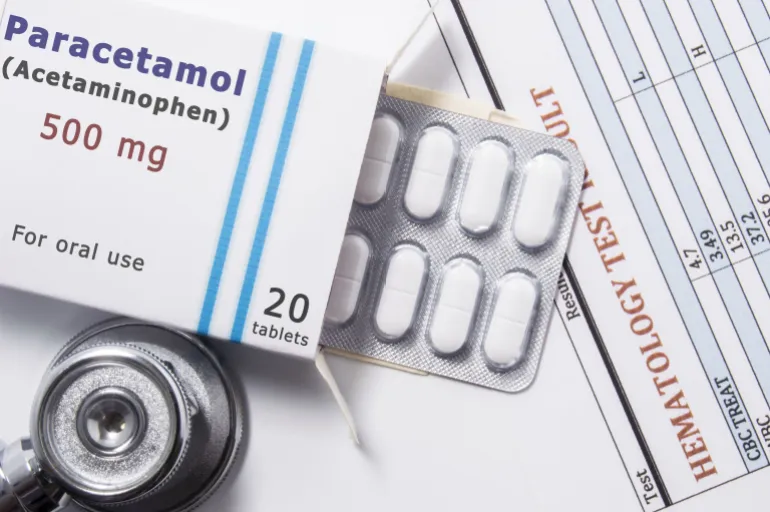
Many medicines rely on chemical raw materials derived from petroleum, most notably propylene, which is used in the manufacture of common analgesics such as paracetamol and ibuprofen.
When the strait is closed or the arrival of supplies of these raw materials is delayed, the demand for them increases significantly. High oil prices and increased shipping and insurance costs also raise the cost of producing these drugs, even though they are already low in price.
This has a negative impact on supply chains, as the prices of medicines increase in markets – especially those that were already suffering from shortages and disturbances before the war – which exacerbates the crisis and makes it more difficult to obtain them.
The World Health Organization warns
Although major pharmaceutical companies maintain a stock of ready-to-use medicines that is sufficient for approximately six months, and the stock of distribution companies may be sufficient for 25 to 30 days, which means that the scarcity of medicines will not be directly noticed by the consumer, the continuation of the war, the closure of the straits, and the obstruction of shipping movement will eventually lead to the running out of medicines in some global markets.
In light of the rapid developments and the expected repercussions in the near term, the Director-General of the World Health Organization, Tedros Adhanom Ghebreyesus, warned of the serious effects of the war on the health sector globally.
He pointed out that drug supply chains may be under great pressure as a result of high demand, driven by deteriorating health conditions in the affected countries and their surroundings.
He also warned that the destruction of oil installations may lead to soil, air and water pollution, which increases the risk of disease, especially among the most vulnerable groups such as children, the elderly, and patients with chronic diseases. He called for urgent action to reduce these risks before they worsen and their impact expands to include various aspects of the health system.