

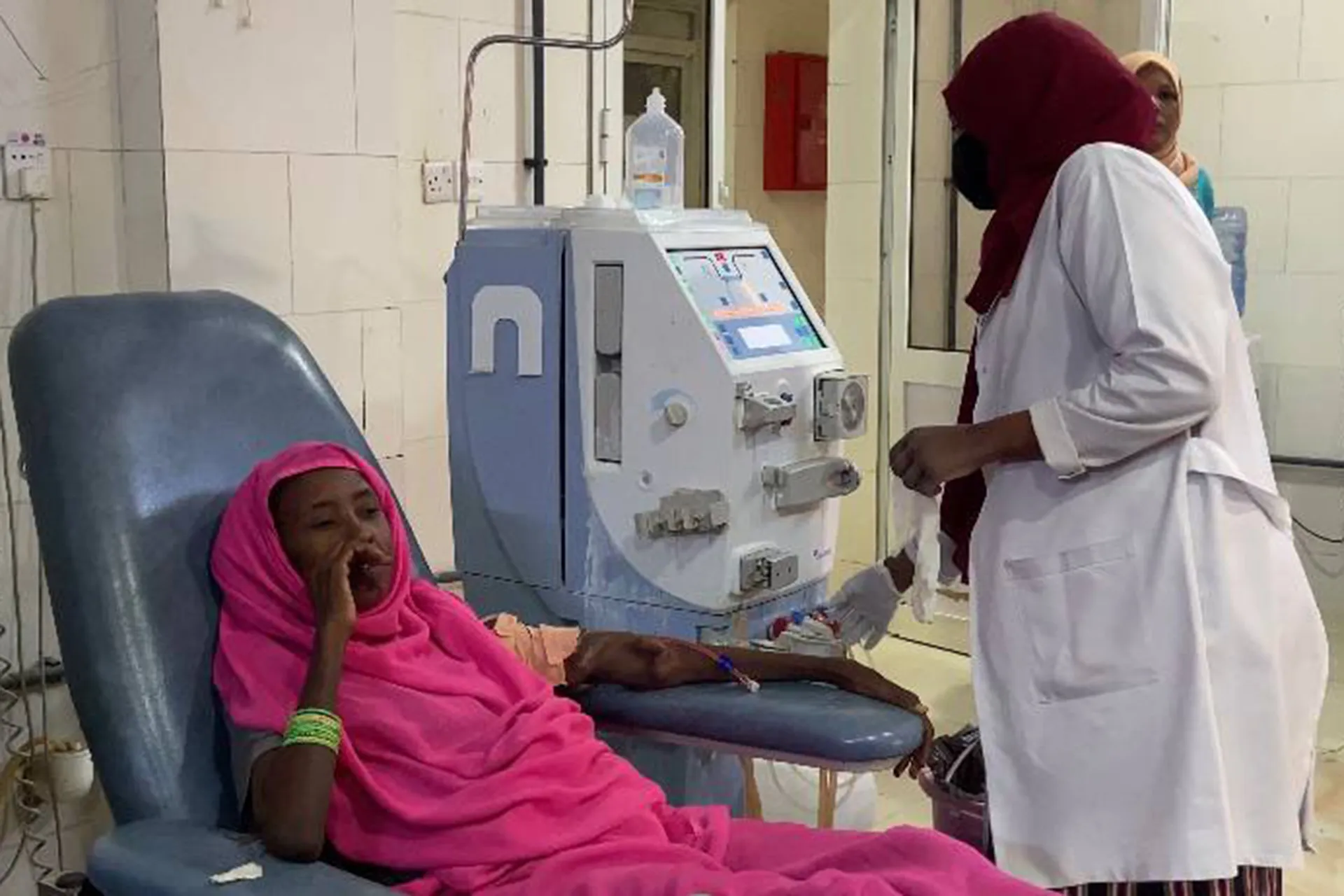
The search for medicine in Sudan has turned into daily suffering that threatens the lives of thousands, in light of an acute shortage of basic medicines and the spread of medicines of unknown origin and quality.
In one of the simple houses burdened by war, diabetic patient Mortada Mohieddin sits checking his remaining doses of insulin, while he is overcome by anxiety about running out of medication or spoiling it due to poor storage and lack of supervision.
Murtada told Al Jazeera’s correspondent from Khartoum, Asmaa Muhammad, that the crisis is no longer linked only to the availability of medicine, but also to its safety, explaining that some medicines may have expired or spoiled as a result of improper storage, at a time when patients find themselves forced to use any available treatment for fear of deteriorating their health condition.
As the war continued and expanded, the pharmaceutical sector in Sudan was subjected to severe blows, after a number of pharmaceutical companies exited production and supply chains were damaged, which exacerbated the shortage of many types of medicine, especially life-saving medicines.
Pharmaceutical industry expert Yasser Ahmed Youssef says that Sudan has lost large quantities of medicines for chronic diseases and critical conditions, including medicines for diabetes, blood pressure, and blood diseases, in addition to medicines for children, noting that the crisis is becoming more complex as the war continues and import and distribution operations are disrupted.
Poco medicine
In light of this reality, the trade in smuggled medicines, known locally as “buko medicine,” has flourished, as medicines enter through unofficial channels and without health oversight, which puts patients in front of a double risk of high prices on the one hand, and the possibility of obtaining unsafe or ineffective medicines on the other hand.
As for the government sector, the Medical Supplies Authority confirms that it is making efforts to secure medicines despite the exceptional circumstances imposed by the war, noting that the availability of cancer medicines has exceeded 75%, while the availability of kidney medicines has reached 100%.
But Director of Administration at the National Fund for Medical Supplies, Abu Bakr Salouha, acknowledged that the war had a significant impact on the drug supply system, especially after the authority’s main warehouses were damaged, which prompted the competent authorities to develop long-term plans aimed at reducing scarcity and building a more stable stock.
Despite these efforts, pharmacies in Sudan still reflect the scale of the worsening crisis, as patients stand daily in front of almost empty shelves, while fears are growing that the scarcity of medicine and the lack of oversight will turn into an additional threat to the lives of civilians, in a country exhausted by war and where humanitarian crises are growing day after day.