

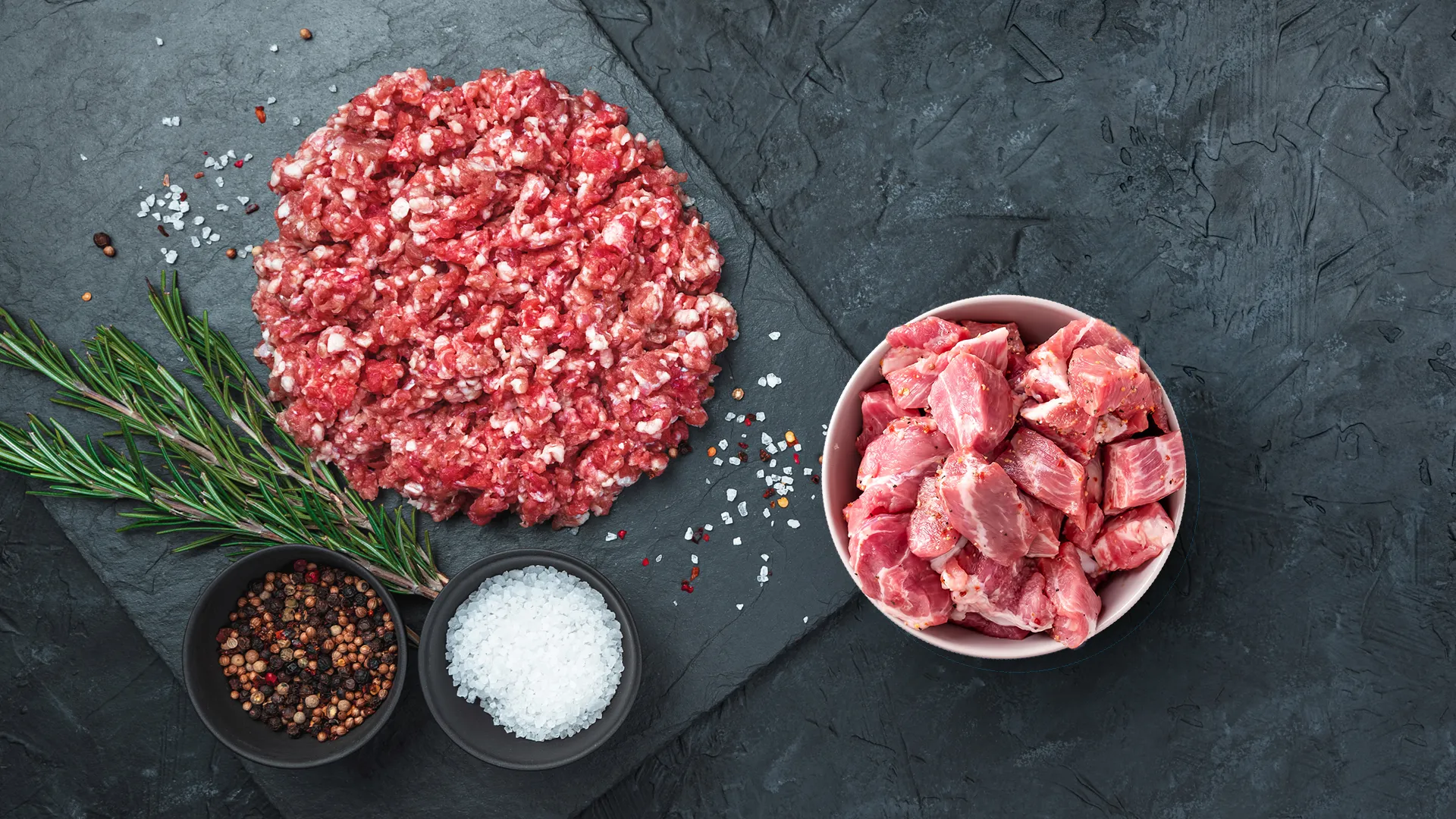
As Eid al-Adha approaches, Arab tables are filled with dishes of fatty meat, fattah, tortillas, and fried foods, in a scene associated with celebration and hospitality, but it may turn into a source of real health danger for patients with heart disease, diabetes, and high blood pressure, if the rules of moderation and medical adherence are absent.
Doctors warn that excessive consumption of fats, sugars, and salt during Eid days may lead to a sudden rise in sugar and blood pressure levels, or dangerous complications for people with atherosclerosis, weak heart muscle, and coronary artery disease.
“No deprivation.” But with conditions
Dr. Akram Mohamed Abdel-Bari, professor of critical cases, cardiologist consultant, and member of the European, American, and Egyptian heart societies, confirms that patients with chronic diseases are not required to be deprived of Eid foods, but rather to control the quantities, cooking method, and timing of meals.
He told Al Jazeera Net that the problem does not lie in the type of food itself, but rather in the excess and poor organization of meals, explaining that heart and diabetes patients need a balanced diet during Eid with full adherence to prescribed medications and doses.
Meat and fatteh… when do they become dangerous?
According to Abdel-Bari, heart and diabetic patients can eat lamb or fattah, but on the condition that it is cooked in healthy ways while reducing fat and salt.
Patients with high blood pressure are advised to avoid pickles and excessive salt, while diabetics should stay away from sweets and sugars as much as possible, while eating carbohydrates in moderate quantities and constantly monitoring sugar levels.
As for patients with weak heart muscle or arterial insufficiency, they are advised to divide food into small meals instead of eating large quantities at once, to reduce pressure on the circulatory system and digestive system.

Dividing meals…the key to safety
Doctors stress that dividing food during Eid is one of the most important means of preventing health complications, as the sudden filling of the stomach increases the burden on the heart and diverts a large part of the blood circulation to the digestive system.
It is preferable for the patient to start with soup or salad, then eat protein after a while, while postponing starches or sweets until a later time and in limited quantities.
Experts also advise avoiding sleeping immediately after eating, especially for those who suffer from digestive system problems or esophageal reflux.
Fried foods and fats…the silent danger
Specialists warn that fried foods, artificial margarine, and hydrogenated oils are among the most dangerous factors that raise cholesterol levels and increase the possibility of clots and heart complications.
Medical studies indicate that the cooking method directly affects the health of the heart and blood vessels, so it is recommended to grill or boil instead of frying, while using olive oil in moderate quantities and in its non-heat-treated form.

When should you go to the emergency room?
Doctors warn of the need to seek immediate medical care when symptoms such as:
- Confusion or loss of consciousness
- Excessive sweating
- Chest pain
- Severe drop in blood sugar
- shortness of breath
- Severe dizziness or irregular heartbeat
Doctors confirm that ignoring these symptoms after overeating may lead to serious complications, especially for the elderly and chronic disease patients.
A third for food…preventive advice
Doctors stress that the best way to enjoy Eid without health complications is moderation, while committing to light physical activity, drinking water, and avoiding excessive fats and sugars.
Abdel-Bari points out that eating small amounts of grilled meat or liver in separate meals may be a suitable option, as long as the stomach is not filled at once, citing the Prophetic health rule: “One-third is for food, one-third for drink, and one-third for the soul.”
Worrying numbers in the Arab world
Medical statistics reflect the scale of the health challenge associated with heart disease and diabetes in the Arab region.
According to data from the World Health Organization, heart diseases cause about a third of deaths globally, while recent estimates indicate that about a quarter of the population of Arab countries suffer from heart diseases to varying degrees, meaning approximately 100 million people.
The International Diabetes Federation also revealed in its report for the year 2025 that the incidence of diabetes in the Arab region reached 17%, exceeding the global rate of 11.1%, with about 43 million infected people in the Arab countries, amid expectations that the number will rise to 80 million by the year 2050.
Health experts link this increase to several factors, most notably diets rich in fats and sugars, lack of physical activity, smoking, and obesity, which are factors that often worsen during special occasions and holidays.