

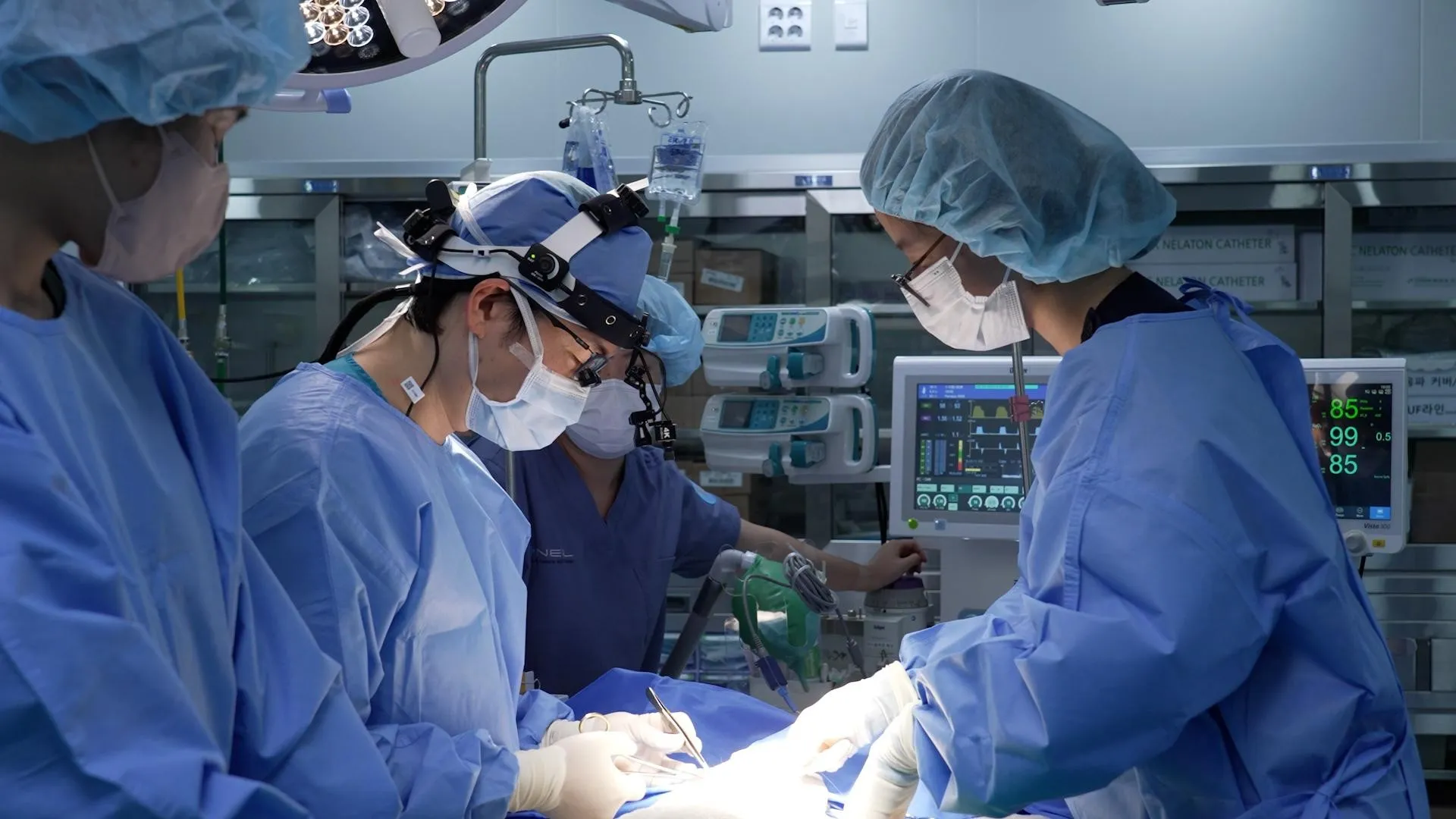
In a very strange medical case, a South Australian farmer with advanced skin cancer went into complete remission and stopped receiving treatment, after undergoing open-heart surgery.
According to the study, which was recently published in the journal BMJ Case Reports, the man, who was in his mid-sixties, had stage IV melanoma, which is one of the most dangerous types of skin cancer, with the disease spreading to large areas of the body, such as the lymph nodes, liver, and bones. He had received targeted treatment, but was forced to stop it due to severe side effects, and then the cancer continued to progress.
After a while, the patient underwent open-heart surgery to replace the aortic valve due to problems in the coronary arteries. After the operation, the wound resulting from the surgery became severely infected, requiring additional surgical intervention and antibiotic treatment.
But after about three weeks of all that, something unexpected happened, as tests showed the disappearance of cancerous foci that were visible in the lymph nodes, liver, and bones.
The patient then did not need the immunotherapy that doctors were planning to use in an attempt to stop the progression of the aggressive cancer, and the case remained in complete remission for about six years of follow-up, which necessitated its registration as a case study, drawing the attention of scientists to question the reason for what happened.
What is the proposed scientific reason?
According to the study, the researchers suggest that major surgery, and perhaps the infection that followed it in particular, triggered a strong inflammatory and immune response that changed the way the immune system dealt with the cancerous tumor.
In this context, the immune system may have suddenly begun to recognize melanoma cells as a target that must be destroyed, after the tumor was able to evade immunity, but the mechanism for this remains a mystery that requires further study.
This possibility is supported by another strange observation. About two years later, the man developed a severe allergy to bee stings for the first time, which raised the possibility of a widespread change in the regulation of his immune system due to the surgery, or the injury that followed.
But the researchers stress that the case does not prove that heart surgery or infection can be used to treat cancer. What the study recorded remains an individual case, and the patient received anti-cancer treatment before the operation, and it may have become effective for one reason or another.