


Some people may feel dizzy or temporarily have blurred vision when getting out of bed or chair, before quickly regaining their balance. This may be the result of simple reasons, such as sudden rising or lack of fluids, but the recurrence of these symptoms may be related to a defect in the body’s ability to regulate blood pressure when standing.
Dizziness when getting up does not necessarily mean there is a problem with blood pressure, as its causes are multiple, and the timing and frequency of its appearance and the symptoms accompanying it remain important factors in determining whether it is a transient condition or requires a medical evaluation.
Why does dizziness occur when standing?
When you stand up after sitting or lying down, some of the blood collects in the legs and abdomen due to gravity, and the heart and blood vessels work to compensate for this to maintain blood flow to the brain. If the response is not sufficient, blood pressure may decrease, and symptoms may appear such as dizziness, blurred vision, weakness, and the person may feel light-headed, and may lead to fainting.
Dr. Alia Abu Suleiman, a family medicine specialist and fellow of the British Royal College, says that dizziness has multiple causes and should not be considered automatic evidence of low blood pressure, as it may appear with anemia, malnutrition, and a deficiency of some vitamins. Dizziness associated with movement or travel also differs from the dizziness that appears after changing the body position.
She added that the accompanying symptoms help guide the diagnosis. Dizziness accompanied by tinnitus or symptoms in the ear may be related to the balance system, while dizziness accompanied by weakness or paresthesias on one side of the body requires neurological evaluation.
When is orthostatic hypotension?
The American Heart Association defines orthostatic hypotension as a sustained drop in systolic pressure by at least 20 mmHg, or in diastolic pressure by at least 10 mmHg, in the first three minutes of standing.
According to a scientific statement by the association published in the journal “Hypertension” in 2024, the probability of developing this condition increases with age, and it may also appear in people with high blood pressure.
Systolic pressure represents the highest number in a blood pressure reading, which is the pressure inside the arteries when the heart contracts and pushes blood into the body, while diastolic pressure represents the lowest number, which is the pressure inside the arteries when the heart relaxes between beats.
Brief dizziness that occurs once after a rapid rise does not necessarily mean the presence of orthostatic hypotension. But repeating it after standing, especially if it is accompanied by blurry vision, weakness, or a feeling of near fainting, makes measuring blood pressure while changing body position more important.

Dehydration and medications
Dr. Alia points out that dehydration and lack of drinking water are factors that may lead to low blood pressure and the appearance of dizziness, and the possibility of this increases in hot climates and with sweating, as the body loses fluids and the volume of circulating blood may decrease.
She explained that the elderly may be more susceptible to dehydration, and some medications, including diuretics and some high blood pressure treatments, can contribute to a drop in blood pressure in some patients. If dizziness recurs in someone who uses these medications, a doctor should be consulted to evaluate the readings, treatment, and hydration level, and the doses should not be reduced or stopped without consultation.
Low orthostatic pressure may also be associated with some chronic diseases, such as heart disease, diabetes, which may affect the nerves responsible for regulating blood pressure, Parkinson’s disease, and other autonomic nervous system disorders that may impair the body’s ability to regulate pressure when standing.
Risk of falling in the elderly
Dizziness becomes more important when standing for the elderly, as losing balance, even for seconds, may lead to falls, injuries, and fractures.
A systematic review and meta-analysis published in The Journals of Gerontology: Series A in 2024, which included 184 studies, showed that orthostatic hypotension was associated with an increased risk of falling by about 39% in 12 months, which confirms the importance of evaluating cardiovascular disorders in older people who are exposed to falls.
Therefore, frequent dizziness or unexplained falls in an elderly person deserve a medical evaluation, rather than assuming that they are a normal result of aging.
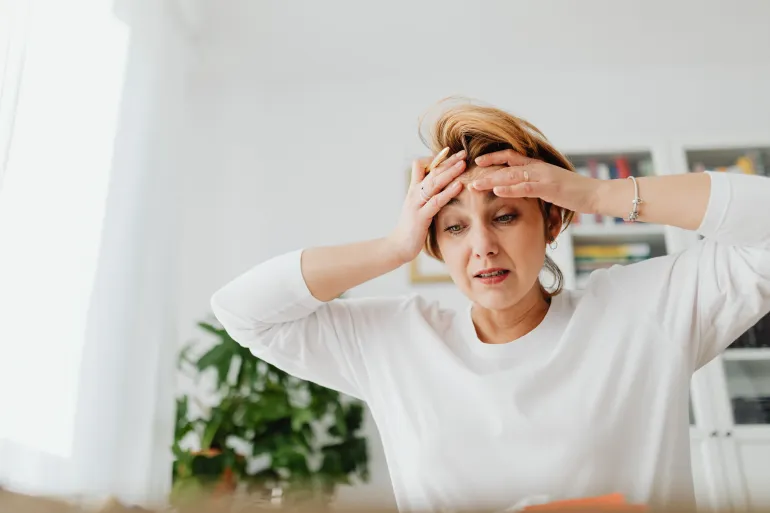
When does a patient need a medical evaluation?
Orthostatic hypotension is primarily diagnosed by measuring blood pressure after lying down and then after standing. A review and position of experts published in the journal “Revue Neurologique” in 2024 indicated that the measurement may need to be repeated at different times if the symptoms are recurring even though the first result is normal, and the tilt table test may be used when suspicion remains despite the absence of a decrease in the usual measurement.
The evaluation also begins with a review of medications and medical history, and the doctor may request tests depending on the symptoms and possible cause, such as a blood picture to detect anemia, and tests for blood sugar, salts, and kidney function, or an ECG if the case requires.
As for dizziness, which occurs rarely after getting up quickly and disappears within seconds and does not recur and is not accompanied by fainting or other symptoms, it can be monitored while getting up gradually and paying attention to drinking fluids.
The patient needs to see a doctor if the seizures recur or lead to a fall or fainting, while dizziness accompanied by weakness or numbness on one side or speech disturbance requires urgent evaluation.