

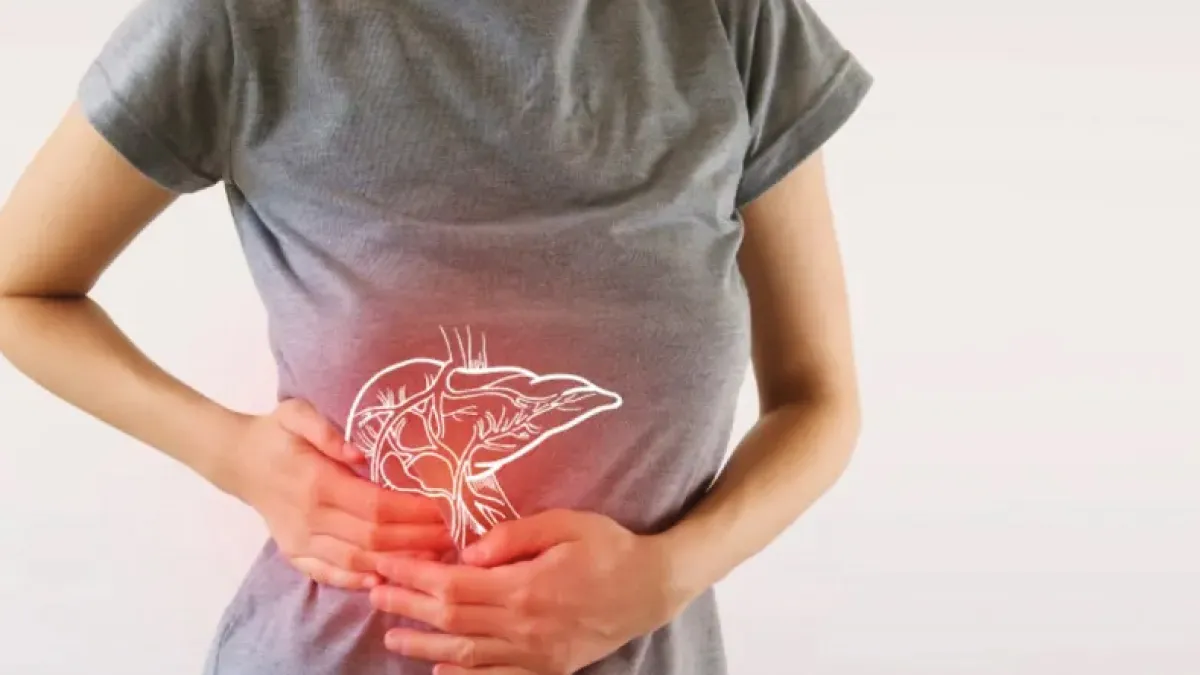
Normal weight may seem like a reassuring sign of good health, but the scale does not always reveal what is going on inside the body. Some people whose weight appears to be ideal may carry high amounts of deep fat around the viscera, or suffer from insulin resistance and disorders in fat metabolism, which are factors that may lead to the accumulation of fat in the liver despite the absence of obesity.
According to recent European guidelines, the disease is now known as metabolic-associated fatty liver disease (MASLD) when there is an accumulation of fat in the liver along with one or more cardiometabolic risk factors, a term that has replaced “non-alcoholic fatty liver disease (NAFLD)” in the modern classification.
The irony is that the disease is not limited to overweight or obese people, but it can also appear in people of normal weight.
Thinness does not mean absence of danger
Endocrinology, diabetes and obesity specialist at Bellevue Hospital and Medical Center in Beirut, Marie-Noelle Callas Al-Shamali, says that fatty liver in thin people represents about 10 to 20% of cases, explaining that the problem is not related to weight alone as much as it is related to the location of fat accumulation and the efficiency of metabolic processes in the body.
Dr. Mary added to Al Jazeera Net that at the forefront of those at risk are people who have a normal weight, but their waist circumference is high, which may indicate the accumulation of visceral fat around the internal organs.
The risk is also higher, according to Dr. Mary, for those with insulin resistance or pre-diabetes, those with high triglycerides and low good cholesterol, as well as those with polycystic ovary syndrome.
Risk factors also include uncontrolled hypothyroidism and lack of muscle mass, especially in the elderly, in addition to a genetic predisposition in some people, including variants in the PNPLA3 gene, as well as excessive consumption of sugars, sweetened beverages, and ultra-processed foods.
An American Gastroenterology Association expert review, published in the journal Gastroenterology, estimates that between 7 and 20 percent of people with NAFLD are thin, and recommended evaluation for type 2 diabetes, lipid disorders, and blood pressure in this group.
The scale alone is not enough
Dr. Mary explains that measuring the waist circumference may provide information that weight alone cannot reveal, and a simple practical rule can be used that is based on trying to keep the waist circumference less than half the person’s height.
This rule is consistent with the recommendations of the British National Institute for Health and Care Excellence (NICE), which considers a waist circumference to height ratio between 0.5 and 0.59 to be an indicator of increased central fat and high health risks associated with it, while the risks rise to a greater degree when the ratio reaches 0.6 or more.
Dr. Mary advises thinking about evaluating the liver if there is diabetes or pre-diabetes, frequent elevations in liver enzymes, or incidental discovery of liver fat during imaging, in addition to a high waist circumference or a family history of diabetes or cirrhosis.
But this does not mean that every thin person needs to be screened for fatty liver, as the American Gastroenterology Association does not recommend routine screening for all thin people, but rather focusing on risk factors and metabolic disorders, then evaluating the possibility of cirrhosis in those who are proven to have the disease.
What tests are required?
Dr. Mary explains that evaluating the condition does not stop at measuring liver enzymes, but also begins by ruling out other possible causes of fat accumulation or liver injury according to medical history, including alcohol consumption, viral hepatitis, some immune diseases, and medications.
Metabolic evaluation may include measuring fasting blood sugar, HbA1c, lipid profile, and thyroid function, while some patients may need an oral glucose tolerance test or evaluation of insulin resistance depending on their condition.
It also stresses the importance of measuring waist circumference and evaluating body composition to determine the percentage of visceral fat and muscle mass.
But the most important step after discovering fat in the liver is to determine the extent of the possibility of fibrosis, as the 2024 European guidelines recommend following a gradual path that begins with non-invasive blood indicators such as FIB-4, then resorting to techniques to measure liver elasticity if the results require it.
What should a patient do if his weight is normal?
Dr. Mary says that treating a thin person with fatty liver should not turn into a race to lower the number on the scale, because the primary goal is to improve body composition, by reducing visceral fat while maintaining or increasing muscle mass.
She recommends resistance training two to three times a week, along with about 150 to 200 minutes a week of aerobic activity, while limiting sweetened beverages and ultra-processed foods. She also recommends following a Mediterranean dietary pattern that provides an appropriate amount of protein to maintain muscle.
Some patients may benefit from a limited weight loss of about 3 to 5%, provided that this loss does not come at the expense of muscles, while paying attention to sleep and treating sleep apnea if it is present.
European guidelines stress the necessity of recommending healthy food and physical activity to people of normal weight who suffer from fatty liver disease associated with metabolic dysfunction, with the aim of reducing the amount of fat in the liver.
The guidelines refer to a year-long trial in which a 3-5% weight reduction resulted in liver fat returning to normal levels in about half of the non-obese participants.
Treating metabolic dysfunction protects the liver
Dr. Mary stresses that insulin resistance can be a major driver of disease, even in a thin person, and therefore controlling diabetes, lipids, and insulin resistance represents part of protecting the liver, and not a separate treatment for it.
She explains that some diabetes medications can provide metabolic and liver benefits for specific patients, but the choice of treatment must be made according to the case and under the supervision of a doctor, especially for people of normal weight for whom weight loss may not be a treatment goal.
As for statin medications used to lower cholesterol, Dr. Mary says that they are generally safe for patients with fatty liver disease when prescribed medically, warning against stopping them without consulting a doctor due to a slight increase in liver enzymes.
The American Association for the Study of Liver Diseases guidelines confirm that statins can be used in patients with fatty liver disease when needed to reduce the risk of cardiovascular disease.

A silent disease discovered by accident
Dr. Mustafa Adous, a general practitioner at one of the medical centers in Qatar, agrees with Dr. Mary that normal weight does not represent an “innocence instrument” for fat disorders, as some thin people may suffer from fatty liver as a result of the accumulation of deep fat around the viscera, in addition to insulin resistance and disordered fat metabolism.
He added to Al Jazeera Net that the disease may remain silent for a long time due to the absence of clear early symptoms, and it may appear in some patients in the form of mild fatigue, so it is discovered in many cases by chance after an increase in liver enzymes or during an ultrasound.
He explains that the degree of fibrosis and liver damage can currently be evaluated by non-surgical means, including the FibroScan device, which measures the stiffness of the liver and helps estimate the possibility of the presence of fibrosis.
He emphasizes that preventing and reducing fat accumulation depends largely on movement, exercise, reducing sugars and soft drinks, and improving lifestyle, even when the weight seems ideal.
Normal weight does not mean a minor illness
The disease should not be viewed as less serious just because its owner is thin. A meta-analysis published in 2024 in the journal Annals of Hepatology, which included 14 studies that included 94,181 people with fatty liver, showed that 11.3% of them were thin.
After an average follow-up period of 8.4 years, the researchers found that lean people with fatty liver disease were associated with an approximately 1.6-fold increase in the risk of death from all causes compared to non-lean patients, with the researchers stressing that understanding the reasons for this complex relationship still requires further studies.
Therefore, the scale alone does not provide a complete picture of liver health. Weight may be normal while fat accumulates in more dangerous places within the body. Therefore, indicators such as waist circumference, sugar and fat levels, muscle mass, and family history become important in detecting a risk that may not appear on the scale.
Early detection of the disease provides an opportunity to intervene before it develops, by modifying the diet, increasing physical activity, controlling metabolic disorders, and assessing and following up on the risk of fibrosis.