

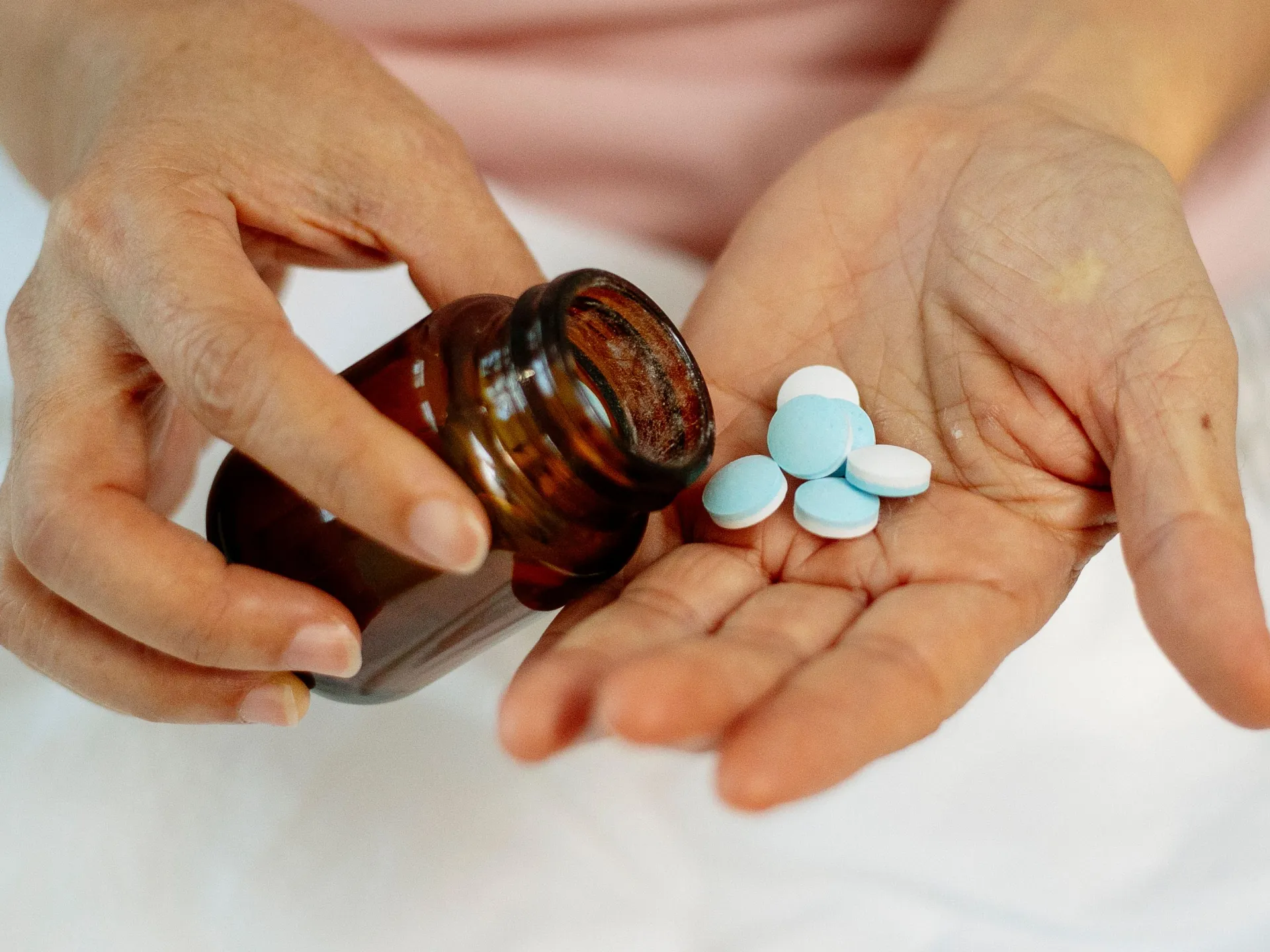
Since the discovery of antibiotics, the face of medicine has changed forever. Once life-threatening diseases have become treatable, and complex surgeries, organ transplants and cancer treatments have become safer thanks to the ability to control many bacterial infections.
But this medical weapon that has saved millions of lives faces an increasing challenge today, as bacteria are not a static enemy, but rather organisms capable of adapting and developing defense methods that make some antibiotics less effective or completely unable to eliminate them.
A world we do not see
At first glance, a person appears to be a being who moves, sees, thinks, builds, and subjects much of nature to his will, but around him there is another world that his eyes cannot capture, which includes huge numbers of microscopic organisms that touch his body and live on its surface and inside without him feeling them.
The bacterial cell consists mainly of a membrane, a cell wall, cytoplasm, genetic material, and ribosomes. Some types of bacteria may have additional structures, such as flagella that help them move and a capsule that provides them with protection.
This formation gives bacteria the ability to grow, reproduce, and adapt, but at the same time it provides targets that antibiotics can attack to eliminate them or stop their growth.
Some germs do not need a complicated path to reach humans; A small wound, contaminated food or water, or a temporary weakness in the body’s defenses may be enough to open the way for it. Once these barriers are crossed, a complex defense system begins to move.
Silent defense system
The skin, mucous membranes, and internal defense mechanisms form an integrated system to protect the body. If a microbe penetrates one of the barriers, neutrophils, which are rapidly responding immune cells, go to it, engulf it and attack it, while macrophages arrive to clean the site of infection from microbes and cell debris.
Meanwhile, lymphocytes perform more specialized roles; Some produce antibodies, some recognize and destroy infected cells, while memory cells retain information about the microbe so that the response will be faster if it returns again.
All of this happens repeatedly without us feeling or giving our bodies any command. Immune cells detect danger, exchange signals, and then move to where they are needed before the response subsides after the threat has passed.
It is a defense system that works silently, as we continue our lives without realizing that a delicate battle may be taking place inside our bodies.
When immunity is not enough
But the body’s defenses do not always succeed on their own. The germ may be highly virulent or rapidly multiply, produce toxic substances, or be able to hide inside cells or disable some immune mechanisms. The problem may be the weakness of the body’s own defenses.
Then the infection can turn from a limited encounter into a severe disease that requires the use of an appropriate antibiotic determined by the doctor.
The beginning of the era of antibiotics
In 1928, Alexander Fleming accidentally discovered penicillin, which marked the beginning of a new era in the fight against bacterial infections.
With the development of antibiotics, serious bacterial diseases became treatable, and death as a result of bacterial infection was no longer inevitable, as it was in previous stages of the history of medicine.
How does an antibiotic work?
An antibiotic is a natural or manufactured drug substance that targets bacteria, either killing them or inhibiting their ability to grow and reproduce.
When the drug reaches the site of infection, it can attack a vital point in the life of the germ; Some antibiotics prevent the construction of the cell wall, some disrupt the synthesis of proteins, while others affect the replication of genetic material.
Depending on the type of antibiotic and its mechanism of action, the bacteria die immediately or lose their ability to reproduce, which helps the body control the infection.
When do you save a life?
In some cases, antibiotics become an essential part of treatment, and may be life-saving. This includes some cases of bacterial meningitis, sepsis, severe bacterial pneumonia, and complex urinary tract infections, in addition to some abdominal and deep tissue infections, where delay in appropriate treatment may lead to serious complications.
However, bacteria are not a fixed target. They are capable of developing mechanisms that make the antibiotic less able to eliminate them. They may change the target to which the antibiotic binds, or produce enzymes that break down the drug and disrupt its effect, or prevent its entry into the cell. Some species can even expel it from the cell.
Here, what is known as “selective pressure” appears, as the antibiotic eliminates sensitive bacteria, while resistant bacteria are able to survive and reproduce, so resistance spreads further. Thus, an antibiotic that was previously effective may lose its ability to stop some bacterial strains.
Mistakes open the door to resistance
The problem of antibiotic resistance increases with their misuse, and this begins with the belief that every fever or infection requires an antibiotic.
Antibiotics target bacteria, and do not treat viral infections, such as many colds. Therefore, the nature of the infection must be determined before using it.
It is also a mistake to stop treatment or adjust its duration or dose without consulting a doctor just because symptoms improve. It is more correct to adhere to the dose and duration specified by the doctor, as the appropriate duration of treatment varies depending on the type of infection, antibiotic, and health condition.
Mispractices also include taking leftover antibiotics from a previous treatment, giving the medication to another person, or changing doses and times without medical guidance.
The challenge extends to the use of antibiotics in animals, as irrational use can contribute to the emergence of resistant bacteria and their spread through food or the environment.
In contrast, infection prevention through vaccination, hand hygiene, and food safety reduces the need for antibiotics in the first place.
Resistance does not only mean failure of a single drug, but may lead to longer illness, longer hospital stays, and resorting to more expensive alternative treatments, turning microscopic resistance into a broad health and economic problem.
One health
The World Health Organization warns of the rise in antimicrobial resistance globally, and calls for dealing with it through a “One Health” approach, which links human, animal and environmental health.
Resistant bacteria do not recognize the boundaries between these areas, and therefore confronting them depends on rationalizing the use of antibiotics, preventing infection, and monitoring the spread of resistant strains.
Will artificial intelligence enter the fray?
Artificial intelligence has already entered the arena of combating antibiotic resistance. Its algorithms allow the analysis of huge amounts of data, including the genetic information of bacteria, which helps researchers identify resistance patterns and monitor the spread of resistant strains, in addition to its growing role in the search for new drug compounds.
Food, medications, and allergies
Some antibiotics may be affected by other foods, supplements, and medications. Dairy products or minerals such as iron, calcium, magnesium, and antacids may reduce the absorption of some types of antibiotics, while some antibiotics can interact with other medications, such as warfarin, which may increase the risk of bleeding.
Therefore, the doctor should be informed of the medications and supplements used, and adhere to the instructions for taking the antibiotic with or without food.
Some antibiotics may cause allergic reactions that begin with a rash, itching, or swelling of the face and lips. In severe cases, difficulty breathing, swelling of the throat, severe dizziness, or loss of consciousness may appear. These are signs that require seeking urgent medical assistance and not taking another dose until the condition is medically evaluated.
The microbiome…a collateral victim
Not all microorganisms that live inside our bodies are harmful. The microbiome includes trillions of microorganisms that live with us, especially in the intestines, and are involved in processes such as digestion, immune support, and maintaining microbial balance.
However, some antibiotics may affect parts of this microbial community in addition to targeting the bacteria that cause the disease, which may upset its balance and give some opportunistic organisms an opportunity to reproduce. Therefore, antibiotics should be used only when needed and under medical supervision.
A varied, high-fiber diet helps support a diverse microbiome. Probiotic supplements should not be treated as a routine necessity, as their benefit varies depending on the breed, health condition, and purpose of their use.
An unfinished battle
In this hidden world, the precision of the confrontation between a tiny organism and one of the most important achievements of modern medicine is evident. The bacterial cell is able to adapt, exchange genetic material, and develop mechanisms that make it less responsive to drugs, while medicine is constantly trying to maintain the effectiveness of the antibiotics that changed the history of humanity.
The battle today is not only with bacteria, but also with the misuse of antibiotics, which accelerates the emergence and spread of resistance. Science has given man a very powerful weapon, but preserving it remains a responsibility no less important than discovering it.