

Cairo- A diagnosis of breast cancer no longer necessarily means complete mastectomy, as was the case in many cases years ago. Advances in surgery, radiotherapy, targeted drugs and immunotherapy have provided wider options for patients and have helped improve survival and breast preservation in an increasing number of cases.
But these developments do not reach all women to the same extent, as the timing of discovering the disease and obtaining appropriate treatment are still crucial factors in determining the chances of recovery.
According to the World Health Organization, about 2.4 million women will be diagnosed with breast cancer during the year 2024, and about 694,000 women will die from the disease, while estimates indicate that there will be about 8.2 million women alive after being diagnosed with it.
The organization’s estimates reveal a large discrepancy in the chances of survival between countries, as the survival rate for 5 years after diagnosis reached 87.3% in high-income countries, compared to only 41.9% in low-income countries, according to estimates of cases diagnosed between 2017 and 2021.
As for data from the American Cancer Society, it indicates that the relative survival rate for 5 years exceeds 99% when the disease is discovered while it is confined to the breast, and decreases to 87% when it extends to nearby tissues or lymph nodes, and to 32% when it spreads to distant organs.
These numbers reflect the importance of early detection, but they do not mean that the chances of survival are determined by the stage of the disease alone, as they are also affected by the type of tumor, its biological characteristics, the patient’s health condition, and the extent of her response to treatment.
Early diagnosis makes the difference
Dr. Medhat Muhammad Ali Al-Sebaei, Professor of Oncology at the National Cancer Institute at Cairo University and Head of the Breast Radiation Oncology Unit, says that recent years have witnessed great development in the treatment of breast cancer, whether using modern drug treatments or advanced radiation therapy techniques.
He explains, in statements to Al Jazeera Net, that the maximum benefit from these developments depends largely on early detection of the disease, as this allows achieving better treatment results, while reducing complications and costs compared to many cases that are diagnosed in advanced stages.
He points out that some women delay consulting a doctor despite noticing a lump in the breast, believing that cancerous tumors must be accompanied by pain.
He confirms that this belief is wrong, as breast cancer can appear as a painless lump, which makes ignoring any unusual change in the breast a potential reason for delayed diagnosis.
Signs that require medical evaluation are not limited to lumps, but also include changes in breast shape or size, shrinkage of the skin or nipple, and the appearance of abnormal secretions, especially if they are bloody.
Al-Sibai stresses that raising women’s awareness of these signs, in addition to providing appropriate tests, represents an essential step for detecting the disease in its early stages.
The shock of diagnosis and the role of the family
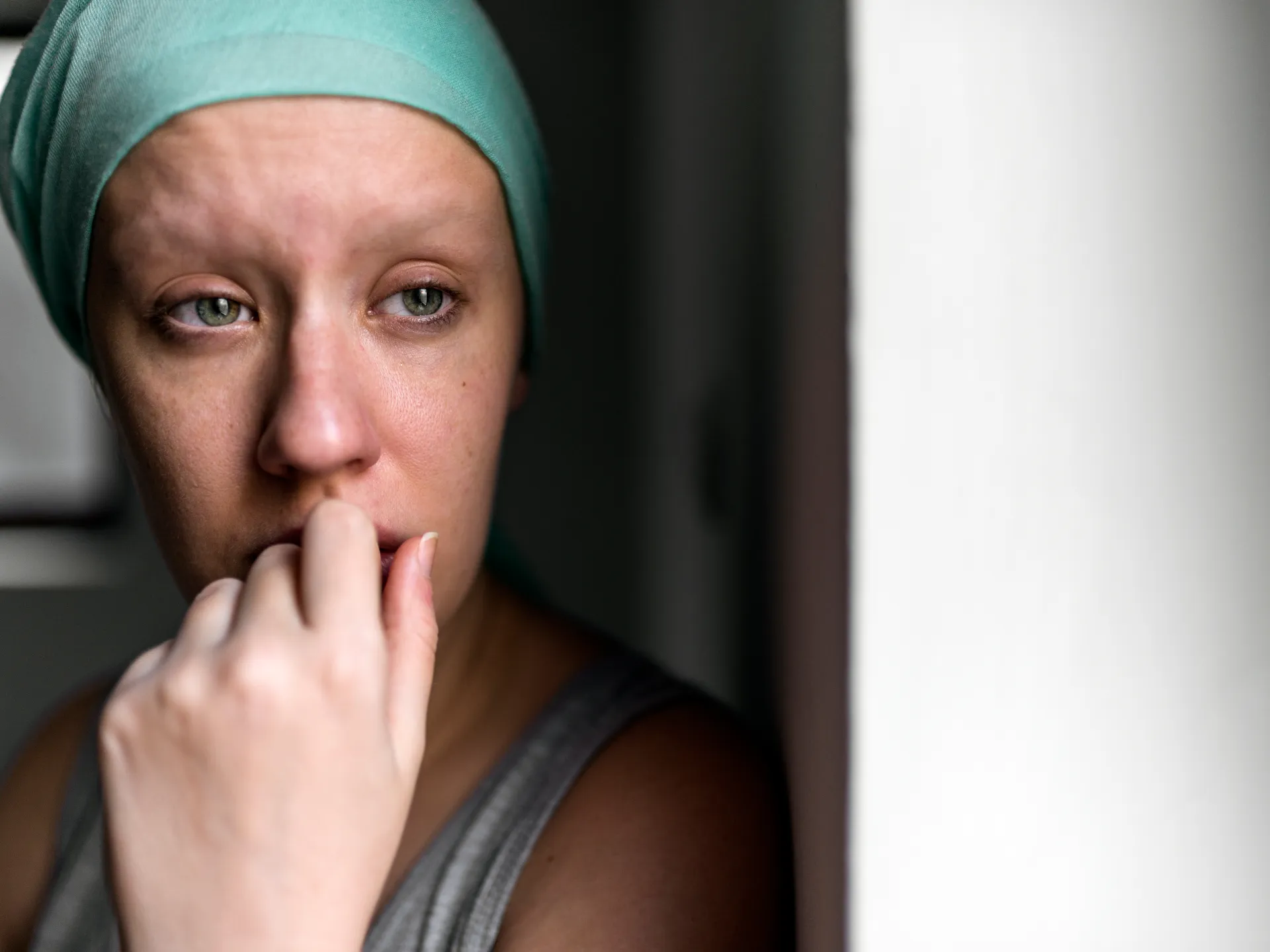
The effects of breast cancer are not limited to the physical aspect, as the diagnosis may constitute a psychological shock for the patient and her family, especially with fears related to death, loss of the breast, or the impact of treatment on daily life.
Al-Sibai says that some families go through a state of shock and extreme anxiety immediately upon learning of the diagnosis, which makes psychological support an important part of medical care from the beginning.
He explains that dealing with this stage requires the medical team to explain the nature of the disease, its treatment options, and the chances of responding to it, in a way that helps the patient overcome fear and make her treatment decisions based on clear information.
Some patients may need specialized psychological support or therapeutic intervention to deal with the anxiety or depression that accompanies diagnosis and treatment.
He emphasizes that improving the quality of life does not depend on medications alone, but also includes balanced nutrition, physical activity appropriate to the health condition, and getting an adequate amount of rest, in addition to family and social support.
A plan for each patient
Although there are international protocols for treating breast cancer, choosing the appropriate plan depends on a set of factors that vary from one patient to another.
Al-Sibai explains that doctors develop a treatment plan based on the stage of the disease, the size of the tumor, and the extent of its spread, in addition to the patient’s age, general health condition, and the presence of chronic diseases such as diabetes or heart disease.
The biological characteristics of the tumor play an essential role in choosing treatment, especially the status of hormone receptors and the HER2 protein, which helps determine the suitability of hormonal or targeted therapy.
In some early-detected tumors, treatment may begin with surgery to remove the tumor, and then additional treatments are used at the discretion of the medical team to reduce the possibility of it returning.
In other cases, doctors may begin drug treatment before surgery, with the aim of reducing the size of the tumor or improving the chances of performing breast-conserving surgery.
Drug treatment may include chemotherapy, targeted or immunotherapy, according to the type and stage of the tumor, while radiotherapy is used in specific cases to eliminate remaining cancer cells and reduce the possibility of the disease returning.
Al-Sibai points out that tumors that are sensitive to hormones may require hormonal treatment lasting years, according to an assessment of the risk of disease recurrence, and its duration may extend beyond 5 years in some cases.
He emphasizes that the treatment decision is not based on a single procedure or fixed protocol for all patients, but rather on an integrated assessment that balances the effectiveness of the treatment, its side effects, and its impact on quality of life.
Follow-up does not end with the end of treatment
Al-Sibai emphasizes that the completion of surgery, chemotherapy, or radiotherapy does not mean the end of the medical care journey, as the patient needs regular follow-up to monitor any possible signs of the disease returning, and to deal with the long-term side effects of treatment.
He explains that follow-up begins with the patient’s awareness of the changes that may occur in her body, and knowledge of the natural appearance and texture of the breast, which helps her notice any lump or unusual change that requires seeing a doctor.
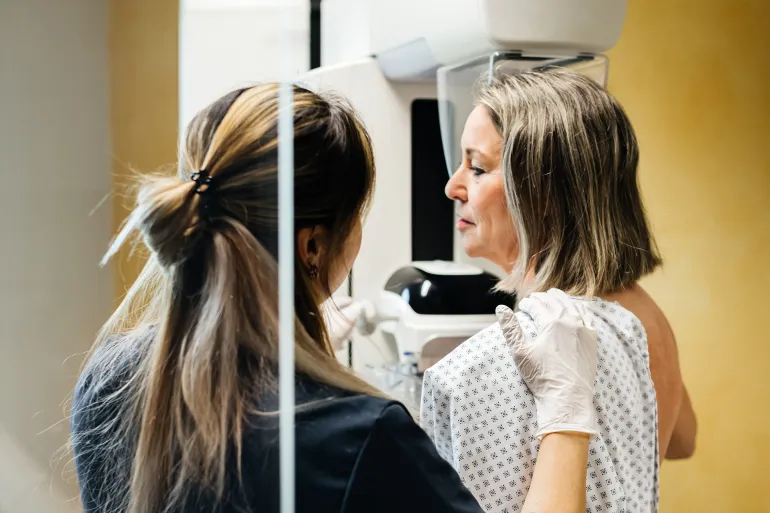
Al-Sibai advises paying attention to monthly self-examination, in addition to clinical examinations and medical imaging, according to the plan determined by the treating team.
The American Cancer Society indicates that follow-up visits are usually every 3 to 6 months during the first years after the end of treatment, then gradually space out, and may become annual after 5 years.
As for mammography, its timing is determined according to the type of surgery and previous treatment, and not all patients need the same imaging tests.
It is important to distinguish between the need for long-term follow-up and considering all cases of breast cancer as an active chronic disease. Many early cases can be treated with the intention of being cured, while widespread cases require different plans to control the disease.
Also, awareness of the changes that occur in the breast does not replace the recommended medical examinations and imaging.
Complete resection retreated
Al-Sibai notes a remarkable change in the nature of surgical interventions to treat breast cancer in Egypt in recent years, and links this to the expansion of early detection and the development of therapeutic options.
He says that about 10 years ago, the percentage of patients who underwent complete mastectomy was 65%, while this percentage has now decreased to about 35%, while the percentage of conservative surgeries that remove the tumor while preserving the breast has risen to approximately 65%.
These numbers, which Al-Sibai cites from his clinical experience, reflect an important shift in therapeutic practice, but they do not necessarily represent all breast cancer patients in Egypt.
He explains that conservative surgeries provide psychological and physical advantages for the patient, especially as they help maintain the shape of the breast and alleviate the psychological effects associated with its loss.
However, choosing conservative surgery is not appropriate for all cases, as it depends on the size of the tumor, its location, the extent of its spread, and other medical factors, and may require completion of radiation therapy.
Al-Sibai points out that the Egyptian presidential initiative to support women’s health contributed to expanding opportunities for early detection of breast tumors, which made it possible to diagnose some cases at stages that allow for less invasive treatment.
Specialized centers and free treatment
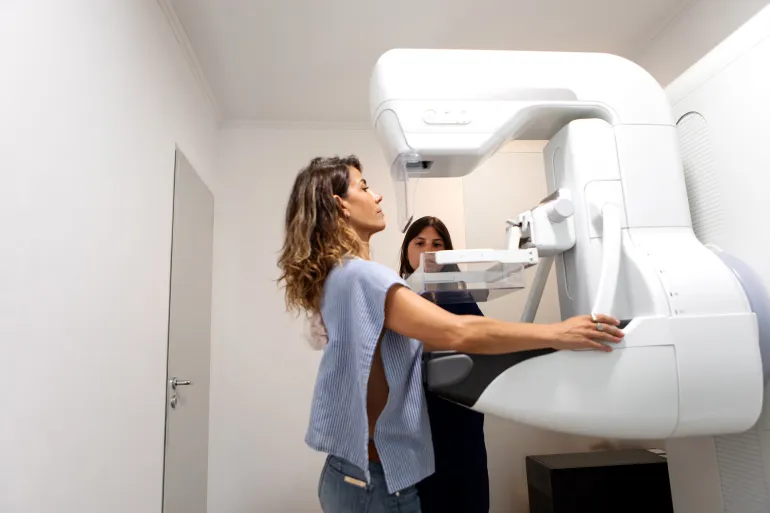
Al-Sibai points out the role played by the Breast Cancer Hospital affiliated with the National Cancer Institute, in the First Settlement area in Cairo, in providing diagnosis, treatment and follow-up services.
He explains that the patient undergoes a medical evaluation, and then her case is presented to a multidisciplinary committee that includes surgeons, drug therapy, and radiation doctors, to develop a treatment plan that suits the nature of the tumor and health condition.
He confirms that the therapeutic services provided to female patients at the center are available free of charge, which reduces the financial burdens that may constitute an obstacle to completing treatment.
In the field of radiation therapy, he says that the Nasr City Oncology Center receives about 1,500 patients annually, and uses modern techniques aimed at improving the accuracy of treatment and reducing exposure of healthy tissues to radiation.
He believes that the expansion of specialized centers not only affects the treatment of female patients, but also contributes to training young doctors, enhancing scientific research in the fields of early diagnosis and advanced treatments, and reducing their complications and costs.
A global goal to save 2.5 million women
In the face of the great disparity in chances of survival, the World Health Organization launched the Global Breast Cancer Initiative, with the aim of reducing deaths resulting from it at a rate of 2.5% annually, which may allow 2.5 million deaths to be avoided by 2040.
The initiative is based on three main goals: diagnosing at least 60% of invasive breast cancer cases in the first or second stages, completing the evaluation and diagnosis within 60 days, and ensuring that 80% of patients complete the recommended comprehensive treatment.
These goals reveal that confronting breast cancer does not depend on the discovery of new medicines alone, but rather on the ability of health systems to provide diagnosis, treatment, and follow-up to all women, regardless of their place of residence or economic circumstances.
While treatment options expand and opportunities for breast preservation improve, early detection and access to timely treatment remain critical factors in transforming breast cancer from a feared diagnosis to a disease that can be successfully treated in many cases.