

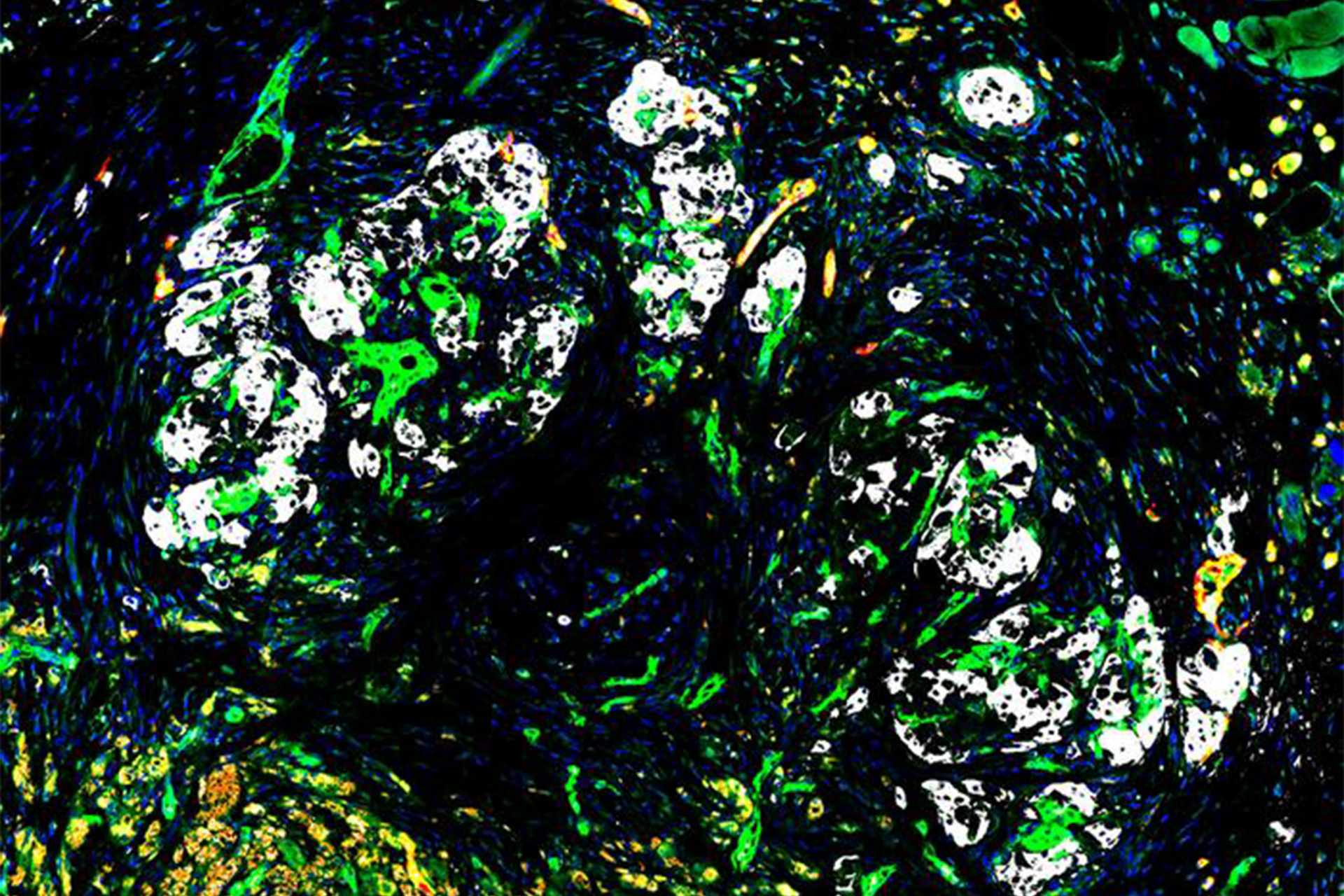
Researchers at Will Cornell Medical College in the United States have been able to plant the Langerhans cells with vascular cells, showing a promise to treat type 1 diabetes.
The addition of genetically modified human cells made the blood vessels to carrot transplants, enhancing insulin -producing cells and reflected diabetes in the pre -clinical study led by researchers from the Will Cornell College.
The new approach, which requires further development and test, can one day the wider use of carrot implants to treat diabetes.
Langerhens islands in the pancreas are groups of insulin -secreted cells and other intertwined in small specialized blood vessels.
Insulin cells are killed by a self -immune process in type 1 diabetes, which affects nearly nine million people worldwide. Although carrots is a promising approach to treating such cases, the only way that the US Food and Drug Administration has so far has great restrictions.
In a study published on January 29 in Science Advances, the researchers showed that the vascular cells they developed, and “R-VECS”, can overcome some of these restrictions by providing strong support to the islands , Allowing it to survive and reverse diabetes in the long run When planted under the skin of mice.
“This work places the basis for carrot transplants under the skin as a safe and relatively secure therapeutic option for type 1 diabetes,” said researcher Dr. Ji Li.
Carrot injection
The currently approved carrot method depends on the injection of carrots in one of the veins into the liver. This surgical process requires long -term use of immunosuppressive medications to prevent the refusal of the islands, and includes a relatively unspecified spread of carrots, usually becomes ineffective within a few years, partly due to the lack of appropriate supportive cells.
Ideally, researchers want a method that cultivates carrots in a more controlled and easy -to -reach location, such as under the skin, and allows the tissues planted to survive indefinitely. Researchers also hope to override the problem of immune rejection using carrots and lining cells derived from the cells of the patients themselves or designed to be invisible to the immune system.
In the new study, the researchers showed the feasibility of the long-term carrot transplants using the R-VECS lining cells as essential support cells.
“We have shown that the cells of human blood vessels cultivated in the subcutaneous tissues of mice that suffer from immunodeficiency are immediately connected to the blood cycle of the host, and provides immediate nutrition and oxygen, and the survival of the function of the islands at risk,” said researcher Dr. Shaheen Ravi.
“It is surprising that we have found that R-” vascular cells are adapted when planted with the islands, as the islands are supported by a rich network of new vessels, “said researcher Dr. David Redmond.
A large majority of mice affected by diabetes has regained it, carrot cells with R -VC cells have been planted with normal body weight, and natural control of blood sugar even after 20 weeks, which is the period that indicates the mouse model for diabetes to the transplantation of carrot cells in a way permanent. As for the mice that received carrot cells, but without the R-C-Cells, they were less successful.