

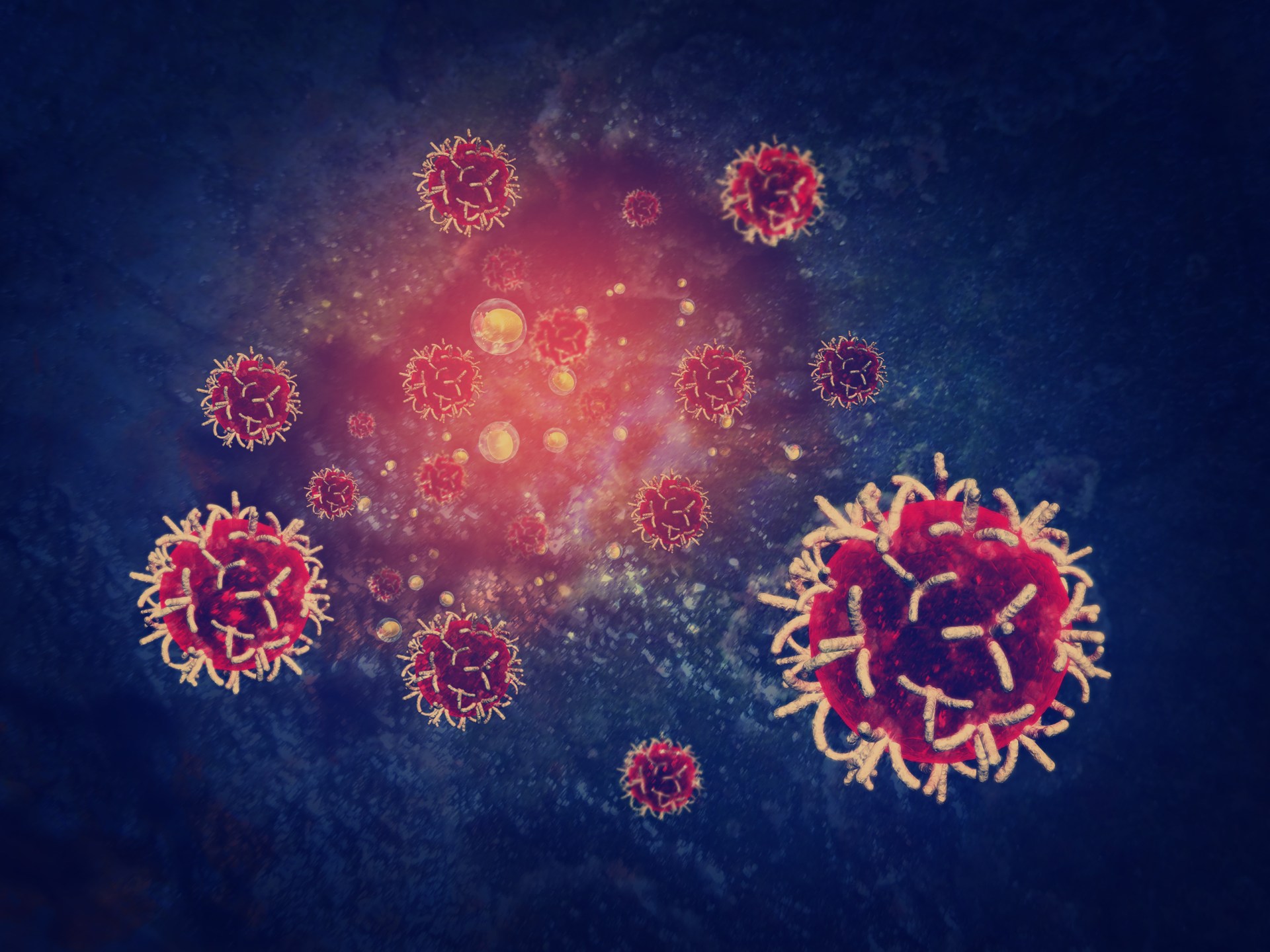
The vast majority of living organisms shared, whether they are on the ground, flying in the sky, or swimming in the depths of the seas in a basic feature, or rather at a major weakness, namely cancer.
In terms of interest in this scientific phenomenon, a research team from the American University of Arizona worked to conduct a study that lasted for 10 years and included more than 16,000 samples belonging to 292 species of vertebrates.
It is intended by living organisms that have a spine and skull, such as mammals, birds, reptiles and some types of fish, to find out the secret behind the injury of some types of cancer and not others, and to determine the differences in the prevalence of the disease between them.
This study also helped to track the emergence and rise of cancer and ensure the validity of the scientific dilemma known as the “Beto paradox”.
The doctor and the English epidemic Richard Beto had reached a scientific base that the largest animals that live longer and have more cells are increasingly having the risk of cancer.
But the new study found that although the chances of cancer are already rising with the increase in the size of the body, this increase is slight, which enhances the idea that the largest in size has evolved has stronger mechanisms to resist this disease, and it was also evident that the length of pregnancy in some living species is associated with a decrease in the chances of cancer.
“Until recently, we did not know anything about the rates of cancer in any of the living species, except for humans, dogs, and some types of mice.”
“I felt enthusiastic when I got to know the living species that have the risk of cancer, so that we know how the mother nature was able to treat this disease,” he added in statements to the website, “SiTik Daily”, a specialist in medical research.
Rapids are tumors
In the context of the study, published by the scientific journal CNCER Discovery, which specializes in cancer, the researchers collected data from 99 scientific centers specialized in veterinary medicine, from marine neighborhoods and animal care centers.
Specialists withdrew samples from dug animals to identify the various tumors in which they were infected and determine whether they are benign or malignant, so that the extent of the spread of this disease can be determined among the living species.
And it became clear to the researchers that certain factions suffer more cancer than others, such as rodents whose tumors have levels of 63%, and a similar incidence was monitored by the hedgehogs and the Absum animal. The results indicate that animals of short ages do not have sufficient defensive means to resist cancer.
On the other hand, the researchers found that other types, such as fruit bats, sea pig, and some penguins, have the risk of cancer to rates not exceeding 2%.
The researchers pointed out that mammals in general have the highest rates that the tumors are malignant or benign, followed by reptiles, then birds and finally amphibians, and that the spread of oncology is related to various factors and complex in animals such as size, age and reproductive rates.
It turns out, for example, that the elephants and whales that are characterized by large size and longevity have low cancer rates, which is surprising.
The researchers attributed the reasons for this observation that these mammals have multiple copies of cancer -resistant genes such as the TP53 gene, in addition to other mechanisms of resistance that modern science has not yet discovered.
It has become clear, for example, that the elephants have an allergy to the DNA destruction processes in their bodies and therefore they get rid of shattered cells before they turn into cancerous cells.
The researchers reached other mechanisms in the bodies of the vertebrates that reduce the risk of cancer, as it became clear, for example, that the factions that do not have many genetic mutations in their cells have the risk of cancer.
This indicates that the lack of genetic acid mutations and cell repair mechanisms may be another way to protect living organisms from cancer.
Long pregnancy periods
The researchers also found that the animals that have long pregnancy periods decrease with cancer rates, and they assumed that the reason for this is that the length of pregnancy gives the body cells a longer chance to correct their properties, which reduces
The risk of cell mutations that lead to cancer in later stages
From age.
The research team exposed some animal cells to radiation and chemotherapy to determine the extent of their response to such external effects, considering that these therapeutic methods help get rid of the anomalous cells in the body before they turn into cancerous cells.
Despite the difference in the response of the factions, there was no direct link between these effects and the rates of cancer in general, which indicates that other factors such as immune systems in the body and metabolism may play a major role in resisting cancer.
The researchers concluded that some of the living species have “supernatural abilities” to resist cancer, and the question is now about how this happens.
“We are working to know the strategies deposited by the mother nature of some creatures to resist cancer, so that it can benefit from them to protect humans from this malignant disease,” said researcher Zach Kepton, a member of the study team.