

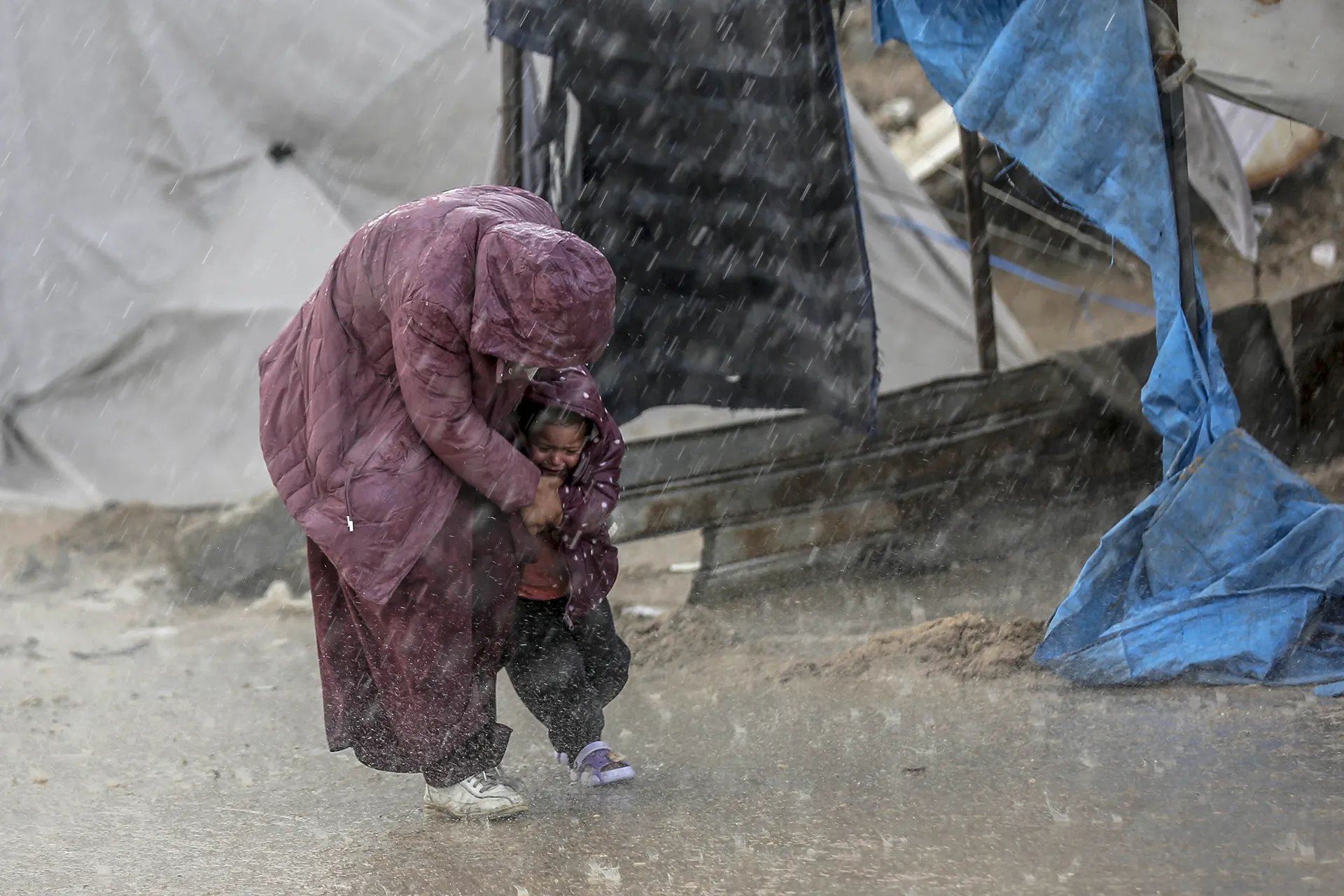
For the residents of the Gaza Strip, winter is no longer just a season in which temperatures drop and rain falls. After nearly 3 years of war, destruction, and repeated displacement, the cold season this year adds new health risks to a reality in which the population suffers from poor shelter, water pollution, deteriorating sanitation services, and lack of medical services.
International organizations warn that the combination of cold, rain and possible floods with fragile tents, overcrowding and malnutrition may turn the coming months into a new test of the ability of the population, especially children, to withstand.
A destroyed sector and a harsh winter
A UNICEF report, published last September on the situation in the Gaza Strip, stated that about 84% of the population, or more than 1.76 million people, are still living in overcrowded displacement camps or in damaged and inadequate shelters, with little protection from extreme cold, heavy rains, and floods.
These conditions expose children to the risk of hypothermia, respiratory infections, and waterborne diseases, which increases the risk of their spread.
As a result of these conditions, and during the past winter in Gaza, official reports from UNICEF, the children’s organization, reported the death of at least 11 children, including infants, due to hypothermia. They attributed the reasons to a lack of urgent preparation and early action, warning that children weakened by displacement, malnutrition, and recurring diseases will face another winter in 2026 in extremely dangerous conditions.
According to a report by the World Health Organization on the state of public health in the Gaza Strip, the targeting of hospitals during the war led to the complete or partial cessation of work within them, as only 18 of them were partially functioning out of 36 hospitals before the war, which led to the deterioration of health services. The hospitals became crowded with patients and their health condition deteriorated due to the inability of the health sector with its capabilities to meet their needs, which increased their suffering and raised death rates as a result of poor health services.
Doctors Without Borders points out the spread of diseases directly linked to poor living conditions, such as skin diseases and “scabies,” as a result of the lack of clean water necessary for bathing and personal hygiene, and the lack of disinfectant materials. Watery diarrhea diseases and respiratory infections constitute about 17.5% of the total medical consultations in clinics, and their infection rates increase and spread with the drop in temperatures and the onset of winter, in addition to living in camps that are flooded with rainwater without drainage, which increases the spread of infection cases and worsens symptoms.
Death from cold and hunger
The World Health Organization warned in its report on exposure to climate events in the Gaza Strip last winter that the Strip is entering the winter season under unprecedented humanitarian and health conditions that make the population more vulnerable to the repercussions of severe climate events. Estimates indicated that about 1.9 million people, or more than 70% of the Strip’s population, live in areas highly vulnerable to climate hazards, at a time when basic infrastructure is suffering from widespread collapse.
The organization expects that the winter season will witness rainfall ranging between 450 and 500 millimetres, in addition to strong winds, storms, and high sea waves, which are conditions that may exacerbate the humanitarian crisis, especially with hundreds of thousands of displaced people staying inside temporary tents that do not provide adequate protection from rain or wind.
The report indicates that the Gaza Strip faces at the same time intersecting environmental and health challenges, including the accumulation of sewage in large areas, and the accumulation of nearly half a million tons of waste, including hazardous medical waste, without the ability to collect or dispose of it safely; This leads to an increase in the possibility of water pollution and the spread of diseases with the beginning of the rainy season.
The World Health Organization has warned that the level of exposure to climate hazards has risen sharply since the outbreak of war, moving from about 60% before October 2023 to more than 90% at the beginning of 2026, which means that the majority of the population has become exposed at the same time to the dangers of floods, environmental pollution, the spread of infectious diseases, and damage resulting from strong winds and coastal storms.
The organization believes that the coincidence of mass displacement with these climatic conditions has created a complex humanitarian crisis, as health and environmental threats have become intertwined in an unprecedented way, which increases the possibility of widespread health crises occurring during the winter if urgent measures are not taken to mitigate their effects.
What the Gaza Strip currently needs to mitigate the effects of these severe weather events includes establishing early warning systems, choosing safer locations to establish shelter centers, improving rainwater drainage networks, and ensuring the continued arrival of humanitarian aid in proportion to the expected weather conditions.
According to Shelter Cluster estimates, about 1.5 million people need shelter materials, and approximately the same number need basic household supplies to help them cope with winter conditions.
How can the sector be saved?
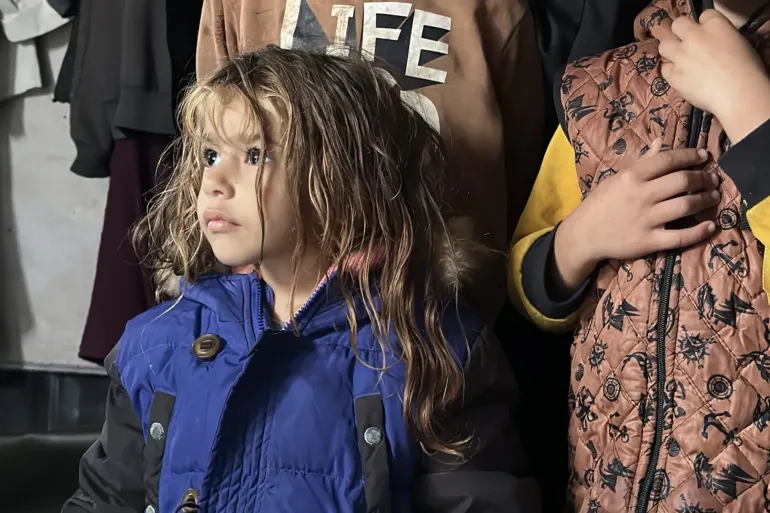
UNICEF, in a report last September 17, called for the need to provide $97.5 million to protect 540,000 children and their families throughout the Gaza Strip and the West Bank from a drop in temperatures to the point of freezing, heavy rain, floods, and other life-threatening winter conditions.
“For hundreds of thousands of children, winter represents not only a seasonal hardship, but also another threat to children’s survival and safety,” said UNICEF Special Representative in the State of Palestine, Jonathan Fitch.
UNICEF’s winter response, covering the period from October 2026 to March 2027, focuses on prioritizing children and families affected by displacement and inadequate shelter, as well as those at risk of flooding, extreme cold and disruption of basic services.
The required and urgent aid to save these residents before winter arrives, according to UNICEF, includes thermal clothing and blankets, strengthening emergency shelters, providing tents for the most needy families, cleaning roads and sewage networks, removing solid waste, insulating toilets against weather elements, and other measures to reduce floodwater pollution and disease risks, in addition to health and safety awareness.
A sustainable mechanism for aid
For his part, Dr. Islam Anan, a doctor in health economics and epidemiology, said that the Israeli aggression on the Gaza Strip led to the deterioration of the health infrastructure, which limited access to basic medical care and supplies, stressing the need to reach a sustainable mechanism for sending continuous medical aid with the aim of addressing the acute shortage of medical supplies and services, as this aid is necessary to prevent the spread of diseases, treat injuries, manage chronic conditions, and save lives.
In his speech to Al Jazeera Net, Annan added that there is an acute shortage of medical supplies, including basic needs such as blood bags necessary for emergency surgeries and treatment of the injured, basic emergency medicines, vaccines needed to prevent the outbreak of diseases such as polio and chicken pox, solutions for treating rehydration, and medications for dysentery and diarrhea for children resulting from a lack of food and clean water.
Annan pointed out the necessity of providing water purification tools and filters, such as those currently used by the World Health Organization, including rapid filters and biological methods for water purification in affected areas in Africa, so that residents can obtain clean water sources for drinking and personal hygiene to reduce the incidence of the spread of diseases resulting from poor hygiene and disinfection.
He also stressed the need to protect the arrival of urgent aid to avoid the risk of the spread of infectious diseases due to overcrowding, poor sanitation, and poor health care monitoring, especially since the outbreak of cholera, measles, and polio pose a serious threat, considering that the strategic vaccination campaign and disease surveillance are an integral part of the relief plan.